Krius Intelligent Manufacturing (Jiangmen) Co., Ltd.

Understanding Cable Drag Chains: Essential Components for Efficient Machinery
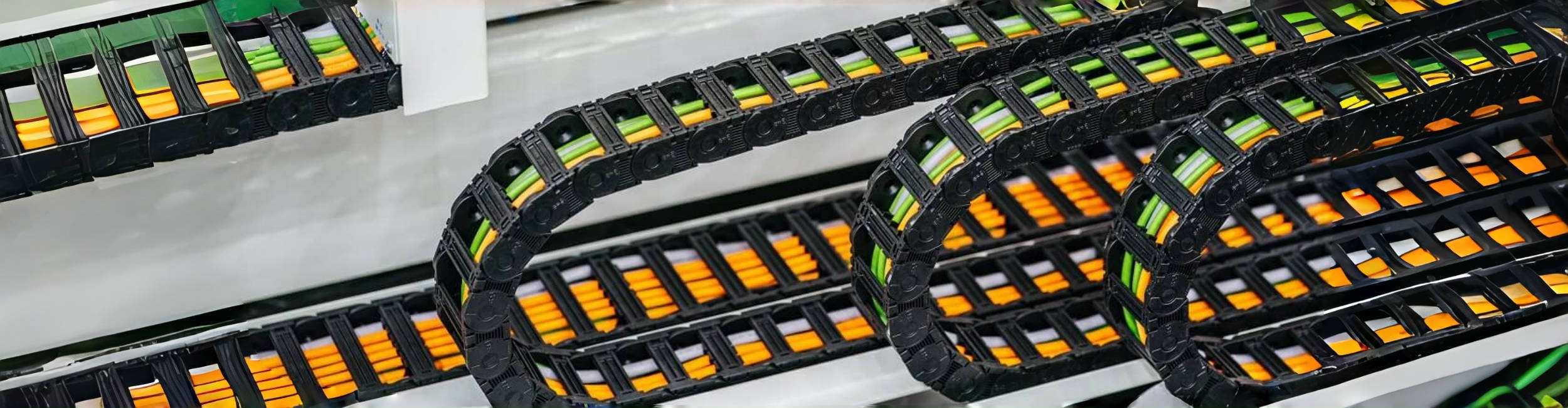
Cable drag chains, also known as energy chains, are essential components used in various industrial applications, particularly in machine tools and automation equipment. They are designed to manage and protect cables and hoses that supply power, control signals, and fluids to moving parts of machinery. Understanding the features and benefits of cable drag chains can significantly enhance the effic
2026-01-19
One of the primary functions of a cable drag chain is to reduce wear and tear on cables and hoses. In environments where machinery operates with repetitive motion, cables are at risk of abrasion, twisting, and entanglement. Cable drag chains provide a protective enclosure that keeps these components organized and secure, minimizing the risk of damage. As a result, they help maintain consistent performance and reduce downtime caused by cable failures.
When selecting a cable drag chain, consider factors such as the chain's material, size, and load capacity. Most drag chains are made from durable plastics or metals that can withstand harsh environments and resist wear over time. Additionally, the size of the chain must match the diameter and length of the cables or hoses it will carry. Proper sizing ensures that the cables can move freely within the chain without excessive friction or stress.
Installation of cable drag chains is another critical aspect to consider. A well-installed drag chain contributes to smoother operations. It is advisable to ensure that the chain is mounted securely and aligned correctly with the moving parts of the machinery. Adjustments may be needed based on the specific application and the type of movement involved. In fluctuating conditions, such as varying speeds or accelerations, it may also be beneficial to incorporate flexible drag chain systems that can adapt to these changes.
Regular maintenance of cable drag chains is essential for optimal performance. Inspecting the chains for wear, ensuring that they are clean, and checking for any misalignments can prevent issues before they escalate. Additionally, regular lubrication can reduce friction and enhance the lifespan of both the drag chain and the cables it protects.
In conclusion, cable drag chains are a vital component in the manufacturing and machining industry. They not only protect cables and hoses but also enhance the operational excellence of machinery. By understanding their functionality, selecting the right type, and committing to regular maintenance, professionals can ensure that their equipment runs efficiently, ultimately contributing to productivity and profitability in their operations.
Related News

Maximizing Efficiency with Cable Drag Chains in Manufacturing
In the realm of manufacturing and machining, the need for organized, efficient, and safe cable management is paramount. This is where cable drag chains come into play. A cable drag chain is designed to house and protect cables, hoses, and other components, allowing for smooth, unhindered movement in machinery. With a variety of designs and configurations available, they cater to specific requireme
How to Troubleshoot Issues with Your Plastic Drag Chain Table of Contents Understanding Plastic Drag Chains Common Issues with Plastic Drag Chains Identifying the Symptoms of Drag Chain Failure Step-by-Step Troubleshooting Guide Preventative Maintenance Tips for Plastic Drag Chains When to Replace Your Drag Chain Best Practices for Installing Drag Chains Conclusion
Subscribe to
Get the latest information on company products


Contact
Add: 14-2,Liandong U Valley,Manufacturing Industrial Park,Tangxia Town,Pengjiang District,Jiangmen City Guangdong Province, China