Krius Intelligent Manufacturing (Jiangmen) Co., Ltd.

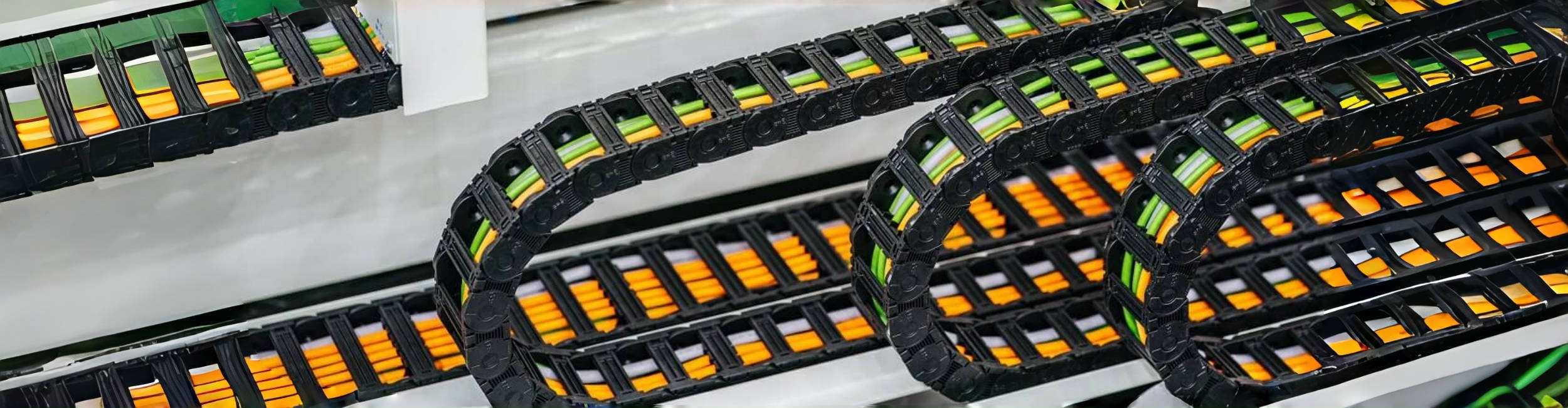
The Secret to Seamless Operations: Utilizing Plastic Drag Chains
The Secret to Seamless Operations: Utilizing Plastic Drag Chains In today’s fast-paced manufacturing environment, efficiency and reliability are paramount. One often-overlooked component that plays a critical role in achieving seamless operations is the plastic drag chain. Designed to protect and guide cables and hoses, plastic drag chains are essential for various machinery applications. This art
2026-01-20
The Secret to Seamless Operations: Utilizing Plastic Drag Chains
In today’s fast-paced manufacturing environment, efficiency and reliability are paramount. One often-overlooked component that plays a critical role in achieving seamless operations is the plastic drag chain. Designed to protect and guide cables and hoses, plastic drag chains are essential for various machinery applications. This article explores the advantages, proper usage, installation techniques, and maintenance of plastic drag chains, helping you unlock their full potential in your operations.
Table of Contents
- Understanding Plastic Drag Chains
- Benefits of Plastic Drag Chains in Manufacturing
- Applications of Plastic Drag Chains Across Industries
- Installation Guide for Plastic Drag Chains
- Maintenance Tips for Longevity
- Choosing the Right Plastic Drag Chain for Your Needs
- Troubleshooting Common Issues with Plastic Drag Chains
- The Future of Plastic Drag Chains in Manufacturing
- Conclusion
- FAQs
Understanding Plastic Drag Chains
Plastic drag chains, also known as energy chains or cable carriers, are designed to organize and protect moving cables and hoses in automated systems. These chains facilitate the smooth movement of cables while eliminating tangling and abrasion. Constructed from high-quality plastics, they offer an optimal balance of weight, flexibility, and durability, making them ideal for a wide range of applications.
How Do Plastic Drag Chains Work?
The operational concept behind plastic drag chains is relatively straightforward. They consist of a series of links that connect to form a continuous loop. As the machinery operates, the drag chain moves in conjunction with the equipment, ensuring that connected cables and hoses remain properly guided and protected from wear and tear. This system allows for a clean and orderly workspace, promoting safety and efficiency.
Benefits of Plastic Drag Chains in Manufacturing
Integrating plastic drag chains into your manufacturing processes can yield remarkable results. Here are some of the key benefits:
1. Enhanced Cable and Hose Protection
Plastic drag chains shield sensitive cables and hoses from damage caused by friction, movement, and environmental factors. This protection extends the lifespan of your components, reducing replacement costs.
2. Improved Organization and Space Utilization
By effectively managing cables and hoses, plastic drag chains streamline workspace organization. This organization minimizes clutter, allowing for more efficient use of space and enhancing overall workflow.
3. Increased Operational Efficiency
With proper cable management, plastic drag chains prevent disruptions in production caused by tangling or snagging. This leads to smoother operations and reduced downtime, ultimately boosting productivity.
4. Versatility Across Applications
Plastic drag chains are adaptable to various environments, whether in industrial machinery, robotics, or automation systems. They can be customized for different sizes and configurations to meet specific operational needs.
5. Reduced Maintenance Costs
By protecting cables and hoses from wear, plastic drag chains minimize the need for frequent maintenance and replacements. This translates to significant cost savings over time.
Applications of Plastic Drag Chains Across Industries
The versatility of plastic drag chains allows them to be used in a wide array of industries. Here are some prominent applications:
1. Robotics
In robotics, plastic drag chains are crucial for managing power and control cables. They ensure that cables are safely guided during movement, preventing damage and enhancing the robot's functionality.
2. CNC Machining
CNC machines benefit from plastic drag chains by protecting their extensive cabling systems. These chains facilitate smooth operation while allowing for quick access to maintenance points.
3. Automated Manufacturing Lines
In automated manufacturing lines, drag chains streamline the movement of materials and components. They aid in organizing cables associated with conveyor belts, robotic arms, and other machinery.
4. Medical Equipment
Medical equipment often requires precise cable management to ensure functionality and safety. Plastic drag chains protect sensitive wiring in imaging devices and surgical robots.
5. Entertainment Industry
In the entertainment sector, plastic drag chains help manage cables in stage setups and automated lighting systems, enhancing both performance and safety.
Installation Guide for Plastic Drag Chains
Proper installation of plastic drag chains is vital for optimal performance. Here’s a step-by-step guide:
1. Measure and Determine Length
Begin by measuring the distance between the moving parts of your machinery. This measurement will guide you in selecting the appropriate length of the drag chain.
2. Choose the Correct Chain Size
Select a drag chain that can accommodate the number and width of cables or hoses you plan to use. Ensure there is sufficient space for movement without excessive tension or bending.
3. Secure the Drag Chain
Attach one end of the drag chain to a fixed point on the machine. Use brackets or mounting plates designed for your specific setup to ensure stability.
4. Insert Cables and Hoses
Carefully place your cables and hoses into the drag chain links. Organize them to prevent tangling, and ensure they are not under excessive tension.
5. Test the Movement
Before finalizing the installation, run the machinery to test the drag chain’s movement. Check for any resistance or friction that may indicate improper installation.
Maintenance Tips for Longevity
Maintaining your plastic drag chains is essential for ensuring their longevity and reliability. Here are some practical maintenance tips:
1. Regular Inspections
Conduct regular inspections of your drag chains to identify signs of wear, damage, or misalignment. Early detection can prevent more significant issues down the line.
2. Keep Them Clean
Debris and contaminants can impact the performance of drag chains. Regularly clean the chains and ensure that cables and hoses are free from dirt and grime.
3. Lubrication
Some drag chains may benefit from periodic lubrication. Refer to the manufacturer’s guidelines for recommended lubrication practices to maintain smooth operation.
4. Replace Damaged Links
In case of any damage, it’s crucial to replace the affected links promptly. This practice prevents further wear on the connected cables and ensures continued operational efficiency.
5. Monitor Cable Condition
Keep an eye on the condition of the cables and hoses within the drag chain. Damaged cables should be replaced to avoid complications in your machinery's performance.
Choosing the Right Plastic Drag Chain for Your Needs
Selecting the appropriate plastic drag chain is essential for maximizing your system's performance. Here are factors to consider:
1. Environment
Consider the operating environment, including temperature, humidity, and exposure to chemicals. Choose a drag chain material that can withstand these conditions.
2. Load Requirements
Assess the weight and type of cables or hoses to be carried. Ensure that the drag chain can handle the load without compromising its structural integrity.
3. Chain Type
Different drag chains are available for specific applications. Research and select a type that aligns with your operational needs, whether it be light-duty or heavy-duty chains.
4. Installation Space
Evaluate the available installation space and select a drag chain that fits comfortably without excessive bending or tension on the cables.
5. Customization Options
Many manufacturers offer customizable solutions. If your application has unique requirements, consider working with a manufacturer to create a tailored drag chain.
Troubleshooting Common Issues with Plastic Drag Chains
Even with proper care, issues can arise with plastic drag chains. Here’s how to troubleshoot common problems:
1. Excessive Noise
If you notice unusual noise during operation, it may indicate misalignment or inadequate lubrication. Inspect the installation and apply lubricant where necessary.
2. Cable Wear
Inspect the cables for signs of wear. This can be caused by poor cable management or an overloaded drag chain. Ensure that cables are properly arranged and that the drag chain is not overburdened.
3. Drag Chain Breakage
Breakage can occur due to excessive tension or fatigue. Evaluate the system's load requirements and ensure that the drag chain is appropriate for the application.
4. Movement Restrictions
Restricted movement may result from debris or incorrect installation. Regularly check for obstructions and ensure that the drag chain is appropriately mounted.
The Future of Plastic Drag Chains in Manufacturing
The demand for plastic drag chains is expected to grow as industries continue to seek increased efficiency and automation. Innovations in materials and design are anticipated to enhance their durability and versatility. With the rise of smart manufacturing, integration with IoT devices may allow for real-time monitoring of cable health and drag chain performance, further optimizing operational efficiency.
Conclusion
Plastic drag chains are integral components that can significantly enhance the efficiency and reliability of manufacturing processes. By understanding their benefits, applications, and proper maintenance, companies can harness the full potential of these essential tools. Whether you are involved in robotics, CNC machining, or any automated system, integrating plastic drag chains into your operations will lead to seamless and productive workflows.
FAQs
1. What are plastic drag chains made of?
Plastic drag chains are typically constructed from high-quality engineering plastics, such as nylon, which offer excellent flexibility and durability.
2. How do I know which size drag chain to choose?
Measure the distance between moving parts and consider the type and number of cables or hoses to be housed in the drag chain to determine the appropriate size.
3. Can plastic drag chains be used outdoors?
Yes, many plastic drag chains are designed to withstand outdoor conditions, but it’s essential to check the manufacturer's specifications regarding environmental resistance.
4. How often should I maintain plastic drag chains?
Regular inspections should be conducted, with more frequent maintenance required if the chains are subject to heavy use or challenging operating conditions.
5. Can plastic drag chains be customized?
Many manufacturers offer customization options to meet specific operational requirements, including sizes, shapes, and materials.
Related News

Maximizing Efficiency with Cable Drag Chains in Manufacturing
In the realm of manufacturing and machining, the need for organized, efficient, and safe cable management is paramount. This is where cable drag chains come into play. A cable drag chain is designed to house and protect cables, hoses, and other components, allowing for smooth, unhindered movement in machinery. With a variety of designs and configurations available, they cater to specific requireme
How to Troubleshoot Issues with Your Plastic Drag Chain Table of Contents Understanding Plastic Drag Chains Common Issues with Plastic Drag Chains Identifying the Symptoms of Drag Chain Failure Step-by-Step Troubleshooting Guide Preventative Maintenance Tips for Plastic Drag Chains When to Replace Your Drag Chain Best Practices for Installing Drag Chains Conclusion
Subscribe to
Get the latest information on company products


Contact
Add: 14-2,Liandong U Valley,Manufacturing Industrial Park,Tangxia Town,Pengjiang District,Jiangmen City Guangdong Province, China