Krius Intelligent Manufacturing (Jiangmen) Co., Ltd.

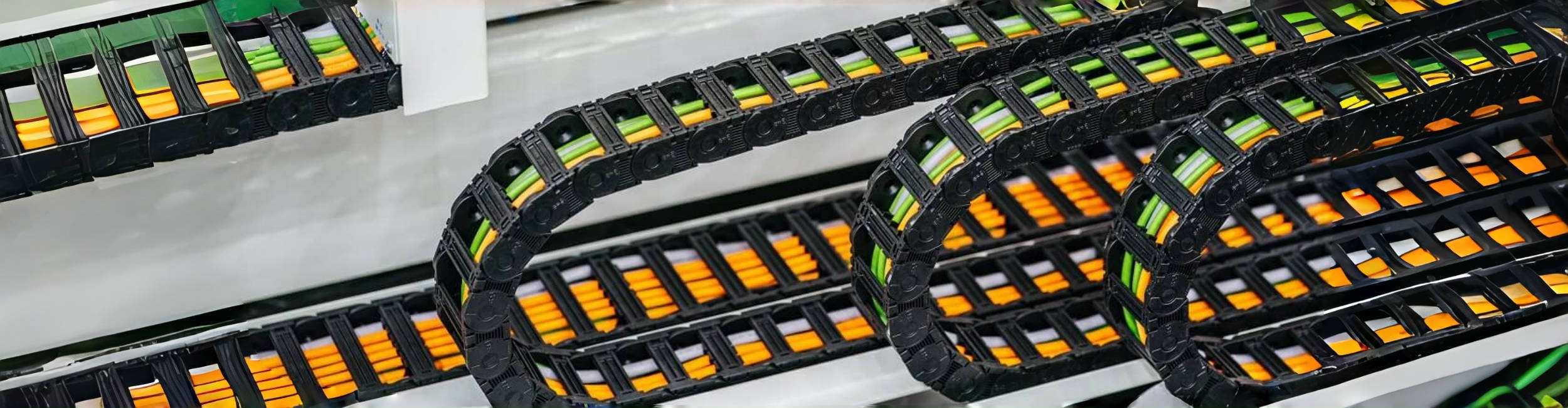
Nylon Drag Chains: Unlocking Versatility in Diverse Industrial Applications
Nylon Drag Chains: Versatility in Various Industrial Applications Table of Contents 1. Introduction to Nylon Drag Chains 2. What Are Nylon Drag Chains? 3. Advantages of Using Nylon Drag Chains 3.1 Durability and Strength 3.2 Flexibility and Adaptability 3.3 Lightweight Design 4. Applications of Nylon Drag
2026-01-18
Nylon Drag Chains: Versatility in Various Industrial Applications
Table of Contents
- 1. Introduction to Nylon Drag Chains
- 2. What Are Nylon Drag Chains?
- 3. Advantages of Using Nylon Drag Chains
- 4. Applications of Nylon Drag Chains in Industries
- 5. Installation and Maintenance of Nylon Drag Chains
- 6. Future Trends in Nylon Drag Chains
- 7. Frequently Asked Questions
- 8. Conclusion
1. Introduction to Nylon Drag Chains
Nylon drag chains, also referred to as cable carriers, are essential components in various industrial applications. These chains are designed to guide and protect moving cables, hoses, and other flexible materials, making them vital in environments where mobility and flexibility are paramount. Their unique composition and design lend themselves to a wide array of industrial uses, ensuring that operations run smoothly and efficiently.
2. What Are Nylon Drag Chains?
Nylon drag chains are lightweight, robust structures made from nylon or other synthetic materials. They are engineered to carry multiple cables and hoses while minimizing wear and tear during movement. The design typically features links that allow for significant flexibility, enabling them to bend and flex without damaging the enclosed components. Commonly used in conjunction with machinery, robotics, and conveyors, nylon drag chains ensure organized cable management and protect sensitive components from damage.
3. Advantages of Using Nylon Drag Chains
3.1 Durability and Strength
One of the most significant advantages of nylon drag chains is their **durability**. Unlike traditional metal drag chains, nylon is resistant to corrosion and rust, which are common issues in industrial environments. This material can withstand harsh conditions, including exposure to chemicals, extreme temperatures, and heavy loads, making nylon drag chains a reliable choice for long-term use.
3.2 Flexibility and Adaptability
Nylon drag chains offer remarkable **flexibility**, allowing them to easily maneuver around corners and obstacles without compromising the integrity of the cables and hoses they carry. This adaptability is essential for applications requiring intricate routing of cables, ensuring that operations can adjust dynamically to changing layouts or machine configurations.
3.3 Lightweight Design
The **lightweight** nature of nylon drag chains contributes significantly to their versatility. A lighter drag chain reduces the overall load on machinery and minimizes energy consumption during operation. This characteristic is particularly beneficial in applications where speed and efficiency are critical, such as manufacturing and automation processes.
4. Applications of Nylon Drag Chains in Industries
Nylon drag chains find extensive applications across various industries due to their efficiency and reliability. Below, we explore some of the key sectors that benefit from nylon drag chains.
4.1 Manufacturing Sector
In the manufacturing sector, nylon drag chains are indispensable for the effective management of cables and hoses in machinery. They are commonly used in CNC machines, conveyor systems, and robotic arms, helping ensure that operations run smoothly without interruptions. The organized management of cables reduces the risk of entanglement, wear, and accidental disconnections, ultimately enhancing productivity.
4.2 Automotive Industry
The automotive industry relies heavily on nylon drag chains for their assembly lines and robotic applications. They facilitate the secure routing of electrical wires and hydraulic hoses, which are essential for the operation of various machinery. The use of nylon drag chains ensures that these components are protected from damage while providing the necessary flexibility for machinery movement.
4.3 Robotics and Automation
With the rise of automation and robotics, nylon drag chains have become vital in this sector. They ensure that robots can perform tasks efficiently by organizing and protecting the cables that power their movements. In applications where precision and speed are key, such as assembly and packaging, nylon drag chains provide the necessary support for uninterrupted operations.
4.4 Textile Industry
The textile industry also benefits from the use of nylon drag chains, particularly in weaving and textile processing machines. These drag chains help manage the numerous cables and hoses required for machine operation, ensuring that the production processes remain efficient and organized. Their ability to withstand fiber dust and moisture makes them ideal for this application.
5. Installation and Maintenance of Nylon Drag Chains
Proper installation and maintenance of nylon drag chains are crucial for maximizing their lifespan and efficiency.
Installation Tips
1. **Select the Right Size**: Choose a drag chain that is appropriately sized for the cables and hoses being used.
2. **Ensure Clear Movement**: Ensure that the drag chain has enough space to move freely without obstruction.
3. **Secure Connections**: Fasten the chains properly to the machinery to prevent any loosening during operation.
Maintenance Guidelines
1. **Regular Inspections**: Conduct regular inspections for signs of wear and tear, especially at bends and joints.
2. **Cleanliness**: Keep the chain and cables clean to prevent dust accumulation, which can lead to abrasion.
3. **Lubrication**: If required, apply lubricant to moving parts to ensure smooth operation.
6. Future Trends in Nylon Drag Chains
As industries continue to evolve, so do the technologies surrounding nylon drag chains. Future trends include:
1. **Smart Technology Integration**: As the Internet of Things (IoT) advances, future nylon drag chains may incorporate smart sensors to monitor cable integrity and performance.
2. **Sustainable Materials**: There is a growing trend towards using more sustainable and eco-friendly materials in the manufacturing of nylon drag chains, which could reduce environmental impact.
3. **Customizable Solutions**: The demand for tailored solutions is on the rise, leading to more customizable drag chains that can cater to specific industrial requirements.
7. Frequently Asked Questions
What are the main materials used in nylon drag chains?
Nylon drag chains are primarily made from high-density nylon, which provides excellent durability, flexibility, and resistance to wear. Some may also include composite materials for enhanced performance.
Can nylon drag chains be used in outdoor applications?
Yes, nylon drag chains can be used outdoors, but it is essential to consider UV exposure and temperature variations. Selecting chains designed for outdoor use can enhance durability.
How long do nylon drag chains typically last?
The lifespan of nylon drag chains can vary widely based on usage, environmental conditions, and maintenance practices. However, with proper care, they can last for many years.
Are there specific industries that benefit most from nylon drag chains?
Yes, industries such as manufacturing, automotive, robotics, and textiles significantly benefit from nylon drag chains due to their versatility and reliability.
How can I determine the correct size of a nylon drag chain for my application?
To determine the correct size, consider the number and diameter of the cables or hoses to be carried, as well as the necessary bend radius for your specific application.
8. Conclusion
Nylon drag chains play a vital role in various industrial applications, offering unparalleled versatility, durability, and efficiency. Their ability to protect and manage cables and hoses effectively enhances operational productivity across multiple sectors. As industries continue to evolve, the future of nylon drag chains looks promising, with trends pointing towards smarter and more sustainable solutions. Embracing these innovations can lead to improved performance and reliability in manufacturing processes, ultimately driving success in a competitive landscape.
Related News

Maximizing Efficiency with Cable Drag Chains in Manufacturing
In the realm of manufacturing and machining, the need for organized, efficient, and safe cable management is paramount. This is where cable drag chains come into play. A cable drag chain is designed to house and protect cables, hoses, and other components, allowing for smooth, unhindered movement in machinery. With a variety of designs and configurations available, they cater to specific requireme
How to Troubleshoot Issues with Your Plastic Drag Chain Table of Contents Understanding Plastic Drag Chains Common Issues with Plastic Drag Chains Identifying the Symptoms of Drag Chain Failure Step-by-Step Troubleshooting Guide Preventative Maintenance Tips for Plastic Drag Chains When to Replace Your Drag Chain Best Practices for Installing Drag Chains Conclusion
Subscribe to
Get the latest information on company products


Contact
Add: 14-2,Liandong U Valley,Manufacturing Industrial Park,Tangxia Town,Pengjiang District,Jiangmen City Guangdong Province, China