Krius Intelligent Manufacturing (Jiangmen) Co., Ltd.

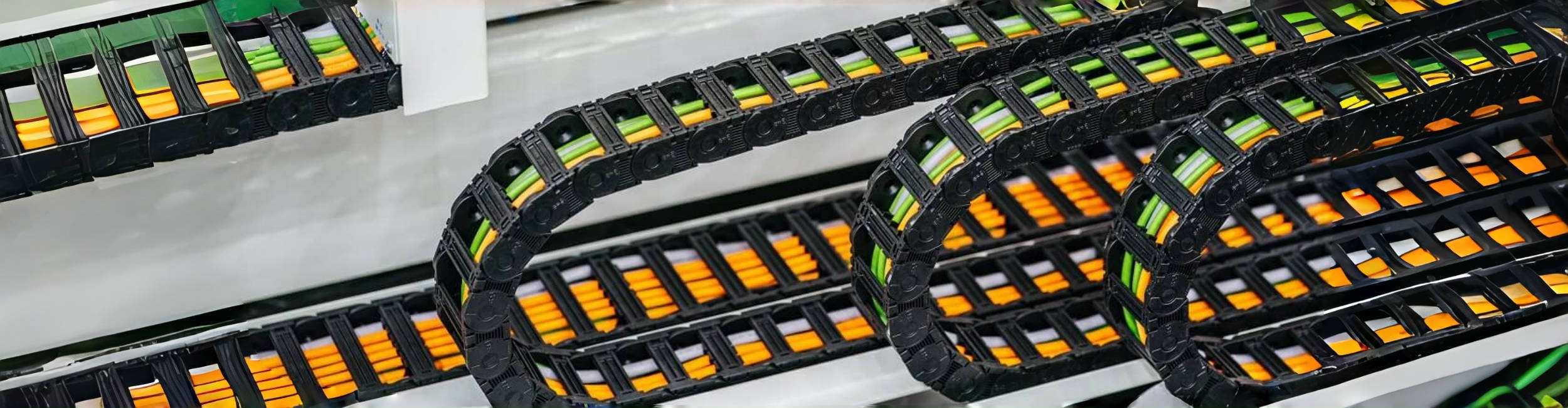
Unlocking the Potential of Plastic Cable Drag Chains in Manufacturing
Plastic cable drag chains, also known as energy chains, are essential components in manufacturing processes, particularly in machine tools and automated systems. These chains facilitate the smooth and organized movement of cables and hoses, preventing wear and tear and enhancing the operational efficiency of machinery. Understanding the characteristics and advantages of plastic cable drag chains c
2026-01-17
One of the primary advantages of plastic cable drag chains is their lightweight nature, which reduces the overall load on the machinery. This feature contributes to energy savings, as machines can operate more efficiently without the burden of excessive weight. Additionally, plastic drag chains are designed to minimize friction and wear on cables, which not only extends the lifespan of the cables but also reduces maintenance costs over time.
Durability is another key aspect of plastic cable drag chains. Typically made from high-quality polymer materials, these chains are resistant to various environmental factors such as chemicals, oils, and abrasives. This resistance makes plastic drag chains an ideal choice for demanding industrial settings, where exposure to harsh conditions is common. Furthermore, the flexibility of these chains allows for a wide range of movements, accommodating both linear and rotary motions in a compact design.
In terms of installation and customization, plastic cable drag chains offer remarkable versatility. They can be tailored to fit specific operational requirements, including size, shape, and the types of cables being used. This customization ensures that the drag chains can effectively manage the unique challenges presented by different machinery and workflows. Moreover, their ease of installation simplifies the integration process, allowing manufacturers to quickly adapt to changes in production demands.
The application of plastic cable drag chains is extensive, ranging from CNC machines to robotic arms and beyond. In CNC machining, for example, these chains help manage the complex arrangement of power and signal cables, ensuring uninterrupted operation and reducing the risk of entanglement. In automation systems, they facilitate the reliable transmission of energy and data, which is crucial for the seamless operation of interconnected devices.
In summary, plastic cable drag chains are invaluable components in the manufacturing industry, offering significant benefits in terms of efficiency, durability, and adaptability. By minimizing wear on cables and providing a lightweight solution for cable management, they enhance the overall performance of machinery. As manufacturers continue to seek ways to optimize their operations, understanding the role of plastic cable drag chains can lead to improved productivity and reduced costs.
Related News

Maximizing Efficiency with Cable Drag Chains in Manufacturing
In the realm of manufacturing and machining, the need for organized, efficient, and safe cable management is paramount. This is where cable drag chains come into play. A cable drag chain is designed to house and protect cables, hoses, and other components, allowing for smooth, unhindered movement in machinery. With a variety of designs and configurations available, they cater to specific requireme
How to Troubleshoot Issues with Your Plastic Drag Chain Table of Contents Understanding Plastic Drag Chains Common Issues with Plastic Drag Chains Identifying the Symptoms of Drag Chain Failure Step-by-Step Troubleshooting Guide Preventative Maintenance Tips for Plastic Drag Chains When to Replace Your Drag Chain Best Practices for Installing Drag Chains Conclusion
Subscribe to
Get the latest information on company products


Contact
Add: 14-2,Liandong U Valley,Manufacturing Industrial Park,Tangxia Town,Pengjiang District,Jiangmen City Guangdong Province, China