Krius Intelligent Manufacturing (Jiangmen) Co., Ltd.

How to Select the Right Size Nylon Cable Drag Chain for Your Machinery
How to Select the Right Size Nylon Cable Drag Chain for Your Machinery Table of Contents Understanding Drag Chains: What You Need to Know The Importance of Selecting the Right Size Key Factors in Selecting Nylon Cable Drag Chains 1. Load Capacity 2. Bending Radius 3. Chain Length 4. Material Considerations Steps to Select the Right
2026-01-16
How to Select the Right Size Nylon Cable Drag Chain for Your Machinery
Table of Contents
- Understanding Drag Chains: What You Need to Know
- The Importance of Selecting the Right Size
- Key Factors in Selecting Nylon Cable Drag Chains
- Steps to Select the Right Size Nylon Cable Drag Chain
- Installation Tips for Optimal Performance
- Maintenance and Care of Nylon Cable Drag Chains
- Common Issues and Solutions
- Conclusion
- FAQs
Understanding Drag Chains: What You Need to Know
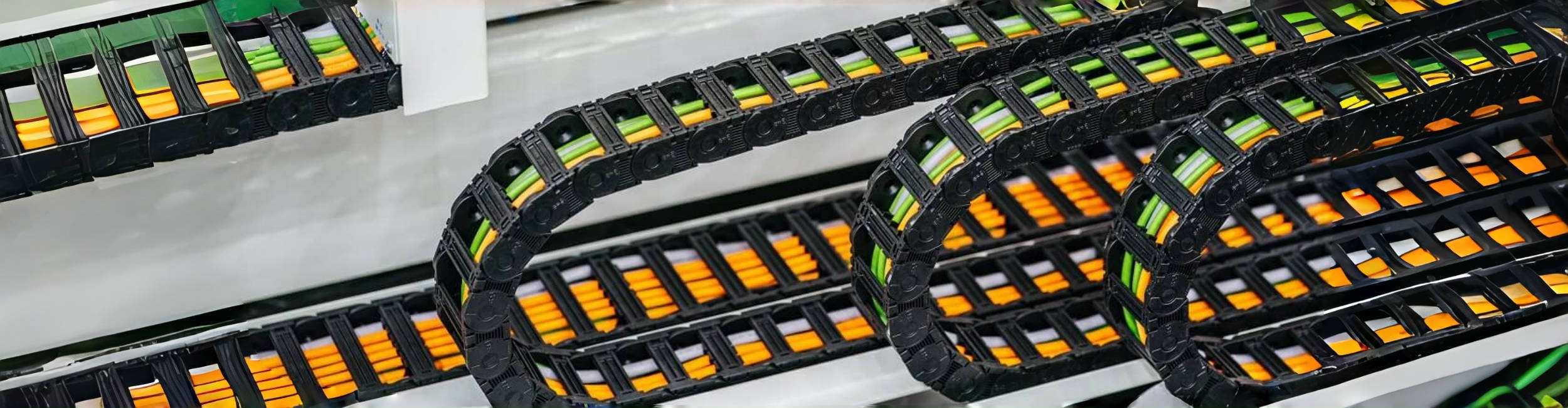
Nylon cable drag chains are essential components in various machinery, serving as protective conduits for cables and hoses. They prevent tangling and damage, allowing for smooth movement and operation. When selecting a drag chain, understanding its design and function is crucial. These chains consist of interconnected links, allowing flexibility and facilitating the movement of cables and hoses within a confined space.
The Importance of Selecting the Right Size
Choosing the correct size of a nylon cable drag chain is vital for several reasons. A well-sized drag chain ensures that cables are adequately supported, reducing wear and tear. If the drag chain is too small, it may lead to tension and strain on cables, while an oversized chain can cause unnecessary movement, leading to increased friction and potential damage.
Key Factors in Selecting Nylon Cable Drag Chains
To make an informed choice, several factors must be considered when selecting the right size nylon cable drag chain:
1. Load Capacity
The load capacity of a drag chain is a critical factor that should never be overlooked. It refers to the amount of weight the chain can support without compromising its structural integrity. When determining load capacity, consider the total weight of cables and hoses to be accommodated. Manufacturers typically provide load capacity specifications, which can guide you in selecting the appropriate size.
2. Bending Radius
The bending radius is essential for ensuring that the drag chain can accommodate movements without causing stress on the cables. Each drag chain has a minimum bending radius, which should be observed to prevent damage. A larger bending radius allows for smoother operation, particularly in applications involving frequent movement and direction changes.
3. Chain Length
Chain length is another critical aspect of selection. It must be long enough to cover the necessary distance, allowing for sufficient slack to accommodate movement without overstretching. Measure the distance from the stationary point to the moving part of the machinery to determine the required length accurately.
4. Material Considerations
Nylon is a popular choice for drag chains due to its lightweight and durable properties. However, it’s essential to consider the environment in which the chain will be operating. Factors such as temperature, exposure to chemicals, and potential abrasion can influence material selection. Be sure to choose a nylon drag chain designed to withstand the specific conditions of your application.
Steps to Select the Right Size Nylon Cable Drag Chain
Selecting the correct size nylon cable drag chain involves a systematic approach. Follow these steps to ensure you make the right choice:
Step 1: Assess Your Machinery’s Requirements
Start by understanding your machinery's operational requirements. What types of cables and hoses will be housed within the drag chain? Knowing this will help you ascertain the necessary load capacity and material strength.
Step 2: Measure the Required Length
Measure the distance that the chain must cover. Take into account any slack needed for movement. Remember, a few extra centimeters can make a significant difference when it comes to functioning correctly.
Step 3: Determine the Minimum Bending Radius
Refer to the manufacturer's specifications to find out the minimum bending radius of the nylon drag chain you are considering. Ensure that the bending radius fits within the operational constraints of your machinery.
Step 4: Choose the Right Material
Consider the operational environment when choosing the drag chain's material. Ensure that the nylon used is of high quality and suitable for your specific conditions, such as temperature and chemical exposure.
Step 5: Consult Manufacturer Specifications
Always refer to manufacturer specifications and catalogs. These documents provide valuable information regarding load capacities, lengths, bending radii, and other critical factors that can guide your selection.
Installation Tips for Optimal Performance
Proper installation of nylon cable drag chains is essential for maximizing their performance and longevity. Here are some crucial tips to consider during installation:
1. Follow Manufacturer Guidelines
Always adhere to manufacturer guidelines regarding installation. These instructions are designed to ensure optimal function and prevent damage.
2. Ensure Proper Orientation
When installing the drag chain, ensure that it is oriented correctly. This prevents unnecessary strain and allows for smooth movement of cables and hoses.
3. Securely Fasten the Chain
Make sure the drag chain is securely fastened to prevent any movement that can lead to excessive wear and damage to cables.
4. Test the Movement
After installation, test the movement of the drag chain to ensure it operates smoothly. Look for any signs of friction or resistance that may indicate incorrect installation.
Maintenance and Care of Nylon Cable Drag Chains
Proper maintenance can greatly extend the life of your nylon cable drag chains. Here are some maintenance tips:
1. Regular Inspections
Conduct regular inspections to check for any signs of wear, damage, or misalignment. Early detection can help prevent costly replacements.
2. Keep It Clean
Ensure the drag chain and its components are clean. Dust and debris can lead to increased friction and wear.
3. Lubricate When Necessary
Use appropriate lubricants to reduce friction in moving parts. However, be cautious, as excessive lubrication can attract dust and debris.
4. Monitor Cable Condition
Regularly check the condition of the cables and hoses within the drag chain. Replace any damaged components to maintain overall functionality.
Common Issues and Solutions
Even the best-installed nylon cable drag chains can encounter issues. Here are some common problems and their solutions:
1. Friction and Wear
If you observe friction or excessive wear, check the installation for proper alignment and ensure the bending radius is adhered to.
2. Misalignment
Misalignment can lead to operational difficulties. Realign the drag chain and ensure all fastening points are secure.
3. Cable Damage
If cables within the drag chain are damaged, inspect the drag chain for sharp edges or wear points that may be causing the issue.
4. Inadequate Support
If the drag chain is sagging or not providing adequate support, consider adjusting its length or the mounting points to eliminate slack.
Conclusion
Selecting the right size nylon cable drag chain for your machinery is a critical task that influences the efficiency and longevity of your operations. By understanding key factors such as load capacity, bending radius, and material considerations, you can make an informed choice that enhances machinery performance. Remember to adhere to installation guidelines, conduct regular maintenance, and monitor the condition of both the drag chain and its contents. A well-maintained drag chain not only protects your cables and hoses but also contributes to the overall efficiency of your machinery, making your operations smoother and more reliable.
FAQs
1. What materials are used in nylon cable drag chains?
Nylon is the primary material used in cable drag chains due to its durability, lightweight nature, and resistance to wear.
2. How do I determine the load capacity of a nylon drag chain?
Refer to the manufacturer's specifications for load capacity ratings, ensuring that your total cable weight does not exceed this limit.
3. Can I use a nylon drag chain in outdoor conditions?
While some nylon drag chains are suitable for outdoor use, ensure they are specifically designed to withstand environmental factors like UV exposure and temperature fluctuations.
4. How often should I inspect my nylon cable drag chain?
Regular inspections should be conducted at least once a month, or more frequently in high-use applications, to identify any signs of wear or damage.
5. What should I do if my cables are getting damaged in the drag chain?
Inspect the drag chain for sharp edges, misalignment, and ensure the appropriate bending radius is maintained. Replace any damaged cables promptly to avoid further issues.
Related News

Maximizing Efficiency with Cable Drag Chains in Manufacturing
In the realm of manufacturing and machining, the need for organized, efficient, and safe cable management is paramount. This is where cable drag chains come into play. A cable drag chain is designed to house and protect cables, hoses, and other components, allowing for smooth, unhindered movement in machinery. With a variety of designs and configurations available, they cater to specific requireme
How to Troubleshoot Issues with Your Plastic Drag Chain Table of Contents Understanding Plastic Drag Chains Common Issues with Plastic Drag Chains Identifying the Symptoms of Drag Chain Failure Step-by-Step Troubleshooting Guide Preventative Maintenance Tips for Plastic Drag Chains When to Replace Your Drag Chain Best Practices for Installing Drag Chains Conclusion
Subscribe to
Get the latest information on company products


Contact
Add: 14-2,Liandong U Valley,Manufacturing Industrial Park,Tangxia Town,Pengjiang District,Jiangmen City Guangdong Province, China