Krius Intelligent Manufacturing (Jiangmen) Co., Ltd.

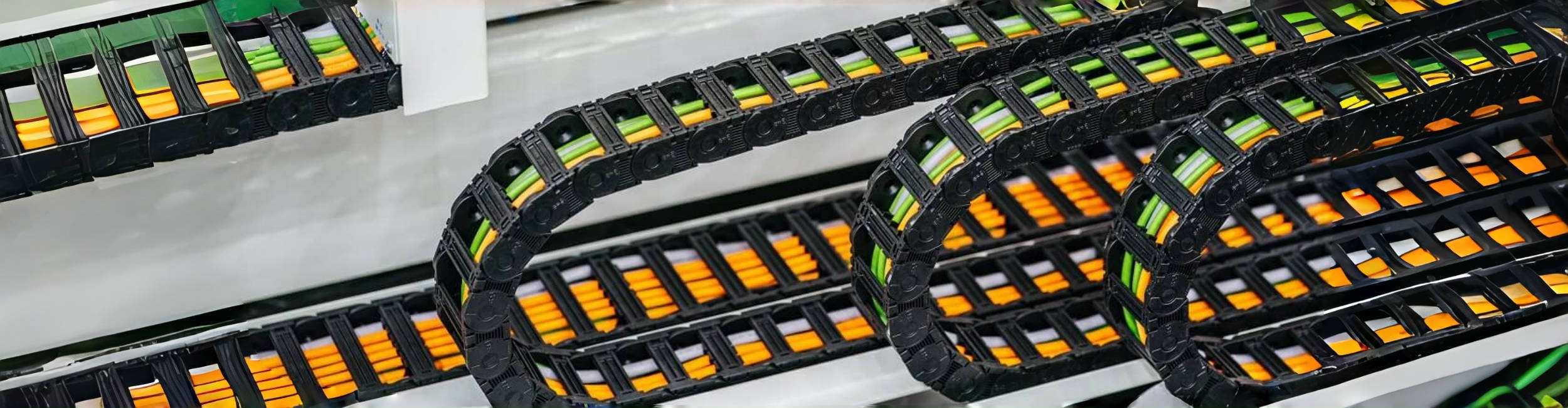
Understanding Plastic Drag Chains: Essential Components for Efficient Machine Operations
Plastic drag chains, also known as energy chains or cable carriers, are designed to manage and protect cables and hoses in moving machinery. They enable smooth motion and prevent tangling or damage to cables, which is particularly important in applications where equipment experiences repetitive motion. The design of plastic drag chains typically allows for easy installation and maintenance, making
2026-01-15
One of the primary advantages of using plastic drag chains is their lightweight nature, which contributes to reduced overall machine weight and improved energy efficiency. Unlike metal chains, plastic drag chains are less likely to corrode, making them suitable for various environments, including those that may be exposed to moisture or chemicals. They are available in a variety of materials, including nylon and other durable plastics, which can be tailored to meet specific environmental and operational requirements.
The versatility of plastic drag chains makes them suitable for a wide range of applications. In machining environments, they are often used to guide cables connected to moving parts, such as robotic arms or CNC machines. This organization not only improves the aesthetic appeal of the workspace but also minimizes the risk of cable wear caused by friction or abrasion. Additionally, plastic drag chains can accommodate a variety of cable types, including power and data cables, pneumatic hoses, and hydraulic lines, allowing for a streamlined setup.
When selecting plastic drag chains for your machinery, it is crucial to consider factors such as the chain's dimensions, bending radius, and load capacity. Manufacturers often provide specifications to help determine the right drag chain for specific applications. Furthermore, it is advisable to account for the operating environment, as exposure to extreme temperatures or chemicals may affect the performance and longevity of the plastic material used.
In conclusion, incorporating plastic drag chains into manufacturing processes offers numerous benefits, including enhanced organization, protection of cables, and increased energy efficiency. By investing in these essential components, manufacturers can improve the reliability and efficiency of their machinery, ultimately leading to greater productivity and cost savings. Understanding the characteristics and applications of plastic drag chains is key for professionals seeking to optimize their production environments and ensure their equipment operates smoothly.
Related News

Maximizing Efficiency with Cable Drag Chains in Manufacturing
In the realm of manufacturing and machining, the need for organized, efficient, and safe cable management is paramount. This is where cable drag chains come into play. A cable drag chain is designed to house and protect cables, hoses, and other components, allowing for smooth, unhindered movement in machinery. With a variety of designs and configurations available, they cater to specific requireme
How to Troubleshoot Issues with Your Plastic Drag Chain Table of Contents Understanding Plastic Drag Chains Common Issues with Plastic Drag Chains Identifying the Symptoms of Drag Chain Failure Step-by-Step Troubleshooting Guide Preventative Maintenance Tips for Plastic Drag Chains When to Replace Your Drag Chain Best Practices for Installing Drag Chains Conclusion
Subscribe to
Get the latest information on company products


Contact
Add: 14-2,Liandong U Valley,Manufacturing Industrial Park,Tangxia Town,Pengjiang District,Jiangmen City Guangdong Province, China