Krius Intelligent Manufacturing (Jiangmen) Co., Ltd.

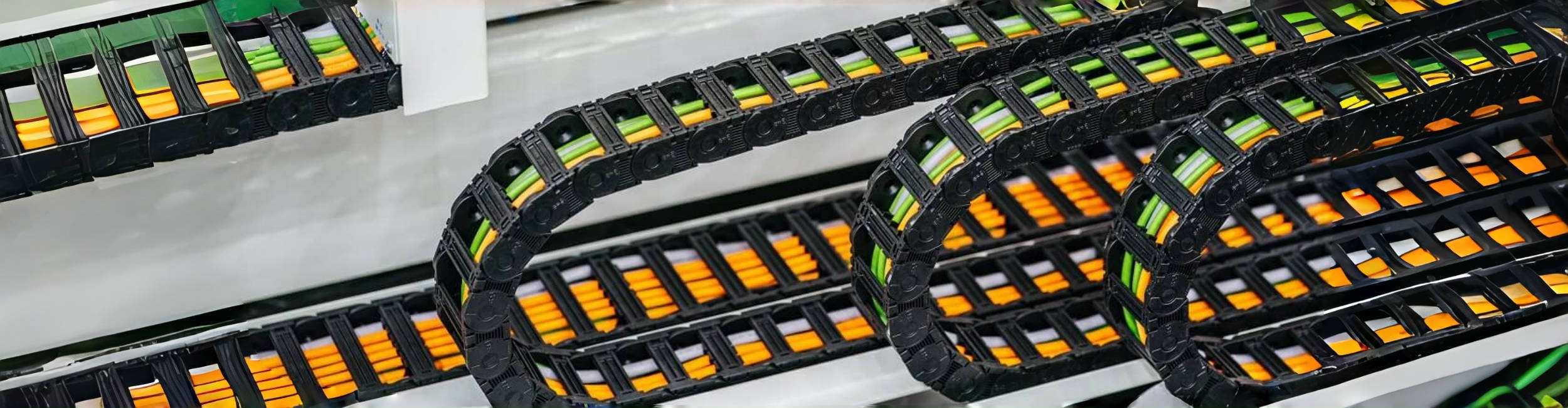
How Cable Drag Chains Improve Workflow in Machine Shops
How Cable Drag Chains Improve Workflow in Machine Shops Table of Contents 1. Introduction to Cable Drag Chains 2. Understanding Cable Drag Chains 3. Benefits of Using Cable Drag Chains in Machine Shops 3.1 Improved Safety Measures 3.2 Increased Efficiency and Productivity 3.3 Reduced Maintenance Costs 3.4 Enhanced Flexibility in
2026-01-14
How Cable Drag Chains Improve Workflow in Machine Shops
Table of Contents
- 1. Introduction to Cable Drag Chains
- 2. Understanding Cable Drag Chains
- 3. Benefits of Using Cable Drag Chains in Machine Shops
- 3.1 Improved Safety Measures
- 3.2 Increased Efficiency and Productivity
- 3.3 Reduced Maintenance Costs
- 3.4 Enhanced Flexibility in Operations
- 4. Applications of Cable Drag Chains
- 5. Installation and Maintenance of Cable Drag Chains
- 6. Choosing the Right Cable Drag Chain
- 7. Common Questions about Cable Drag Chains
- 8. Conclusion
1. Introduction to Cable Drag Chains
In the fast-paced environment of machine shops, efficiency and productivity are paramount. One essential component that significantly contributes to these goals is the **cable drag chain**. These chains manage electrical cables and hoses, keeping them organized and protected. In this article, we will explore the numerous ways in which cable drag chains improve workflow in machine shops, enhancing both operational efficiency and safety.
2. Understanding Cable Drag Chains
Cable drag chains, also known as energy chains, are specially designed systems that facilitate the safe movement of cables and hoses in machinery. They provide a **guiding track** that protects the wires from damage while allowing for their dynamic movement. These chains are available in various materials and designs, catering to specific applications and environments.
Types of Cable Drag Chains
There are several types of cable drag chains, including:
- **Open cable drag chains**: These chains allow for easy access to cables and are ideal for quick maintenance.
- **Closed cable drag chains**: Offering more protection, closed chains are suitable for environments with significant wear and tear.
- **Custom-designed drag chains**: Tailored solutions for specialized applications ensure optimal functionality.
3. Benefits of Using Cable Drag Chains in Machine Shops
Implementing cable drag chains in a machine shop comes with a myriad of benefits that can significantly improve operational workflow.
3.1 Improved Safety Measures
One of the most critical aspects of any industrial environment is safety. Cable drag chains help minimize the risk of accidents by:
- **Preventing tripping hazards**: Organized cables reduce clutter, making the workspace safer for employees.
- **Reducing wear and tear**: By keeping cables protected, drag chains prevent fraying and electrical hazards.
3.2 Increased Efficiency and Productivity
Cable drag chains streamline the movement of cables, which directly correlates with increased efficiency. They:
- **Facilitate smoother operations**: Cables that are managed effectively reduce drag and resistance, allowing for faster machine operation.
- **Support automation**: With organized wiring, the integration of automated systems becomes more straightforward, enhancing overall productivity.
3.3 Reduced Maintenance Costs
Maintenance can be a significant expense in machine shops. Cable drag chains contribute to lowering these costs by:
- **Extending the lifespan of cables**: With proper protection, cables experience less wear, reducing the frequency of replacements.
- **Simplifying maintenance tasks**: Easy access to organized cables makes it quicker and more efficient to perform routine checks and repairs.
3.4 Enhanced Flexibility in Operations
In a dynamic manufacturing environment, flexibility is vital. Cable drag chains provide:
- **Adaptability to various configurations**: They can be customized to fit different machinery setups, ensuring optimal performance.
- **Ease of reconfiguration**: If production needs change, drag chains can often be adjusted without significant downtime.
4. Applications of Cable Drag Chains
Cable drag chains are versatile components that can be utilized in various applications within a machine shop.
4.1 Vertical Applications
In environments where machinery operates vertically, cable drag chains are particularly beneficial. They manage cables that must move up and down, ensuring smooth transitions without tangling or damaging the cables.
4.2 Horizontal Applications
Similarly, in horizontal setups, drag chains guide cables along flat surfaces, maintaining organization and efficiency in operations that require lateral movement.
5. Installation and Maintenance of Cable Drag Chains
Proper installation and maintenance are crucial for maximizing the benefits of cable drag chains.
5.1 Installation Guide
1. **Assessment**: Evaluate the workspace and determine the best drag chain layout.
2. **Preparation**: Gather necessary tools and materials for installation.
3. **Assembly**: Follow manufacturer instructions to assemble the cable drag chain.
4. **Routing**: Lay out cables within the drag chain, ensuring they are organized and secure.
5. **Testing**: Run machinery to test the drag chain's functionality and make any necessary adjustments.
5.2 Maintenance Tips for Longevity
- **Regular inspections**: Periodically check drag chains for wear and proper alignment.
- **Lubrication**: Apply appropriate lubricants to ensure smooth operation.
- **Cable checks**: Inspect cables for fraying or damage, replacing them as necessary.
6. Choosing the Right Cable Drag Chain
Selecting the appropriate cable drag chain is essential for optimal performance. Consider the following factors:
- **Material**: Choose chains that withstand the specific environmental conditions of your machine shop, such as temperature fluctuations or exposure to chemicals.
- **Size**: Ensure the drag chain is suitable for the type and number of cables you need to manage.
- **Design**: Opt for open or closed designs based on your accessibility and protection needs.
7. Common Questions about Cable Drag Chains
1. What are the primary functions of cable drag chains?
Cable drag chains manage and protect cables and hoses, ensuring efficient and safe movement in machinery.
2. Can cable drag chains be used outdoors?
Yes, but ensure you select chains made from materials that can withstand outdoor conditions.
3. How often should I inspect my cable drag chains?
Regular inspections are recommended at least every three months, depending on usage and environmental conditions.
4. Are cable drag chains easy to install?
Most cable drag chains come with installation guides that make the process straightforward, especially for those with basic mechanical skills.
5. How do I know if I need a custom-designed drag chain?
If your machinery operates in unique configurations or environments, a custom design may be necessary to ensure optimal performance.
8. Conclusion
Incorporating cable drag chains into machine shops offers substantial benefits, enhancing workflow, safety, and efficiency. By understanding their functionality and applications, businesses can make informed decisions about their manufacturing processes. As industries continue to evolve, investing in quality cable drag chains remains a critical step toward achieving operational excellence and fostering a safer work environment. Adopting these systems will not only improve your current operations but also prepare your machine shop for future advancements in technology and automation.
Related News

Maximizing Efficiency with Cable Drag Chains in Manufacturing
In the realm of manufacturing and machining, the need for organized, efficient, and safe cable management is paramount. This is where cable drag chains come into play. A cable drag chain is designed to house and protect cables, hoses, and other components, allowing for smooth, unhindered movement in machinery. With a variety of designs and configurations available, they cater to specific requireme
How to Troubleshoot Issues with Your Plastic Drag Chain Table of Contents Understanding Plastic Drag Chains Common Issues with Plastic Drag Chains Identifying the Symptoms of Drag Chain Failure Step-by-Step Troubleshooting Guide Preventative Maintenance Tips for Plastic Drag Chains When to Replace Your Drag Chain Best Practices for Installing Drag Chains Conclusion
Subscribe to
Get the latest information on company products


Contact
Add: 14-2,Liandong U Valley,Manufacturing Industrial Park,Tangxia Town,Pengjiang District,Jiangmen City Guangdong Province, China