Krius Intelligent Manufacturing (Jiangmen) Co., Ltd.

Understanding Nylon Drag Chains: Essential Components for Efficient Manufacturing
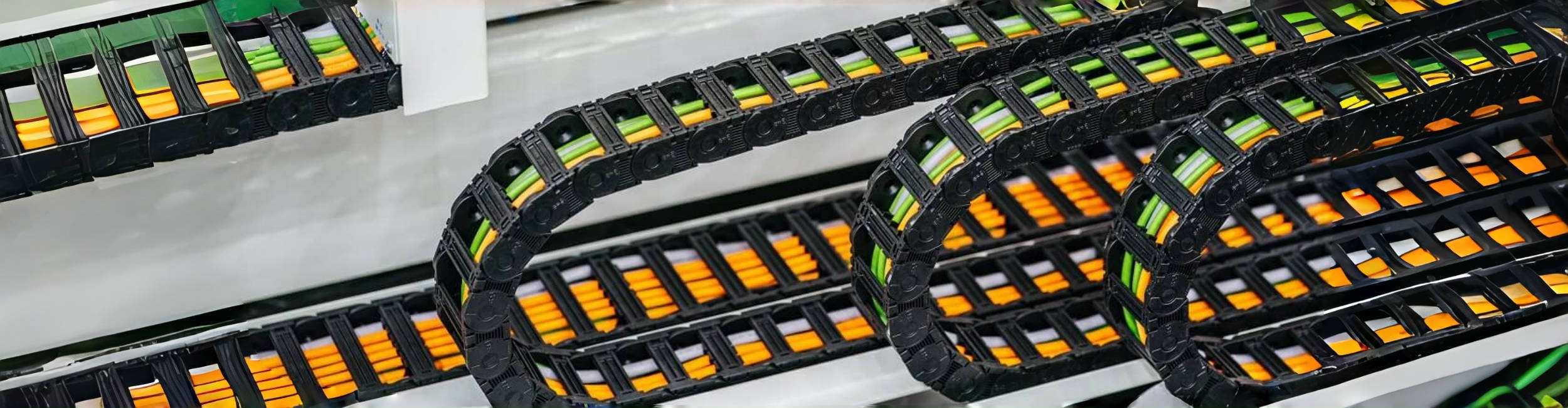
Nylon drag chains, also known as energy chains or cable carriers, are designed to organize and protect cables, hoses, and other flexible elements in machinery. They are made from high-quality nylon, which offers excellent durability and flexibility. These chains are essential in various applications, including CNC machines, robotic systems, and automated production lines. One of the primary advant
2026-01-13
One of the primary advantages of nylon drag chains is their lightweight nature, which reduces the overall weight of the moving components in machinery. This characteristic is particularly beneficial in high-speed applications where excessive weight can hinder performance. Additionally, nylon is resistant to many chemicals and environmental factors, allowing for operation in diverse settings without degradation.
The design of nylon drag chains promotes smooth operation and prevents cable wear. The chains feature multiple links that allow for controlled movement while maintaining proper tension on the cables and hoses. This design minimizes friction, thereby extending the lifespan of the cables they support and reducing maintenance costs.
When considering nylon drag chains for your machinery, there are several factors to keep in mind. First, assess the dimensions and weight of the cables and hoses that will be routed through the drag chain. The chain must be large enough to accommodate these components without squeezing or kinking them. Additionally, compatibility with the operating environment is essential. For instance, extreme temperatures, exposure to chemicals, or outdoor installations may require specialized nylon formulations.
Another important aspect is the length of the drag chain. It should be designed to accommodate the range of motion of the machine parts while providing enough slack to avoid tension during operation. This flexibility is critical to prevent wear and ensure smooth movement.
Furthermore, the installation process of nylon drag chains should not be overlooked. Proper installation techniques can significantly influence the drag chain's performance and longevity. It is advisable to follow manufacturer guidelines for installation, including securing the chain to prevent unintended movement during operation.
In conclusion, nylon drag chains are vital components in manufacturing and machining processes. Their lightweight, durable, and flexible nature makes them ideal for managing various cables and hoses. By understanding their benefits and installation requirements, manufacturers can enhance operational efficiency and reduce costs associated with cable management. As you consider upgrading your machinery, incorporating high-quality nylon drag chains could be a significant step toward optimizing your production capabilities.
Related News

Maximizing Efficiency with Cable Drag Chains in Manufacturing
In the realm of manufacturing and machining, the need for organized, efficient, and safe cable management is paramount. This is where cable drag chains come into play. A cable drag chain is designed to house and protect cables, hoses, and other components, allowing for smooth, unhindered movement in machinery. With a variety of designs and configurations available, they cater to specific requireme
How to Troubleshoot Issues with Your Plastic Drag Chain Table of Contents Understanding Plastic Drag Chains Common Issues with Plastic Drag Chains Identifying the Symptoms of Drag Chain Failure Step-by-Step Troubleshooting Guide Preventative Maintenance Tips for Plastic Drag Chains When to Replace Your Drag Chain Best Practices for Installing Drag Chains Conclusion
Subscribe to
Get the latest information on company products


Contact
Add: 14-2,Liandong U Valley,Manufacturing Industrial Park,Tangxia Town,Pengjiang District,Jiangmen City Guangdong Province, China