Krius Intelligent Manufacturing (Jiangmen) Co., Ltd.

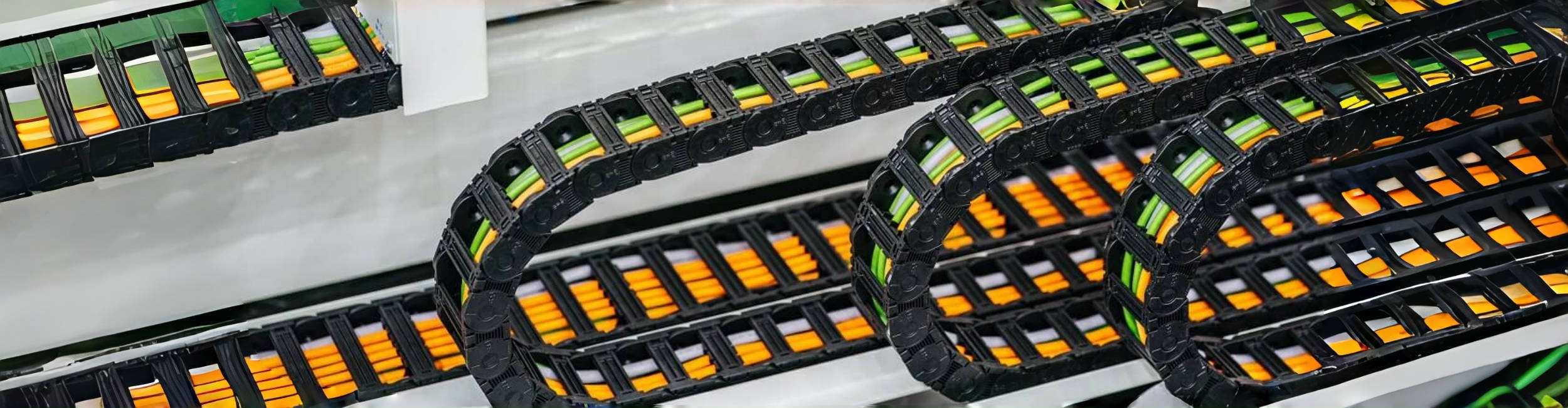
The Science Behind the Durability of Plastic Cable Drag Chains: An In-Depth Analysis
The Science Behind the Durability of Plastic Cable Drag Chains In the fast-evolving world of manufacturing, the efficiency and durability of machinery play a crucial role in productivity. One of the unsung heroes behind this efficiency is the plastic cable drag chain, often overlooked but vital for protecting cables and hoses in moving machinery. In this article, we will delve into the science beh
2026-01-12
The Science Behind the Durability of Plastic Cable Drag Chains
In the fast-evolving world of manufacturing, the efficiency and durability of machinery play a crucial role in productivity. One of the unsung heroes behind this efficiency is the plastic cable drag chain, often overlooked but vital for protecting cables and hoses in moving machinery. In this article, we will delve into the science behind the durability of plastic cable drag chains, exploring the materials, designs, and technological advancements that contribute to their strength and resilience.
Table of Contents
- Understanding Cable Drag Chains
- Materials Used in Drag Chains
- Design Features Affecting Durability
- Advantages of Plastic Cable Drag Chains
- Applications of Drag Chains in Various Industries
- Maintenance and Lifespan of Drag Chains
- The Future of Plastic Cable Drag Chains
- Frequently Asked Questions (FAQs)
Understanding Cable Drag Chains
Cable drag chains, also known as energy chains, are essential components for guiding and protecting flexible cables and hoses in machinery. They ensure that these components maintain their integrity during movement, especially in dynamic applications where equipment may experience significant motion. By preventing damage due to friction, abrasion, and environmental factors, drag chains significantly enhance the reliability and lifespan of the cables and hoses they contain.
What Are Plastic Cable Drag Chains?
Plastic cable drag chains are specifically designed to accommodate a variety of cables and hoses, allowing them to move freely while minimizing wear. Unlike metal chains, plastic drag chains are lightweight, resistant to corrosion, and can be manufactured in various sizes and configurations to suit different applications.
How Do They Work?
Plastic cable drag chains consist of links connected in a manner that allows them to flex and bend as machinery moves. They open and close to form a protective enclosure for cables, preventing them from tangling or getting pinched in moving parts. This functionality is crucial for applications in robots, CNC machines, and conveyor systems.
Materials Used in Drag Chains
The durability of plastic cable drag chains starts with the materials from which they are constructed. The choice of material directly impacts the chain's strength, flexibility, and resistance to environmental factors.
High-Performance Plastics
Most plastic drag chains are made from high-performance plastics such as polyamide (PA), polyoxymethylene (POM), and polypropylene (PP). These materials are chosen for their excellent mechanical properties, including:
- High Strength-to-Weight Ratio: These plastics offer significant strength without adding unnecessary weight to the machinery.
- Good Chemical Resistance: They can withstand exposure to oils, solvents, and other chemicals typically found in industrial environments.
- Temperature Resistance: Many high-performance plastics maintain their properties in a wide range of temperatures, making them suitable for various applications.
Reinforced Materials for Enhanced Durability
To further enhance durability, manufacturers often incorporate additives and reinforcements into the plastic. For instance, the addition of glass fibers can improve the tensile strength and stiffness, making the drag chains more resistant to wear and deformation. Such reinforcements are crucial in demanding applications, such as those found in automotive and aerospace industries.
Design Features Affecting Durability
Beyond material selection, the design of plastic cable drag chains plays a significant role in their overall durability. Here are some key design features that enhance their performance:
Link Design and Flexibility
The design of individual links in the drag chain influences how well it can flex and bend without damaging the cables inside. A well-engineered link design can provide optimal flexibility while still maintaining structural integrity.
Chain Length and Width
Customizing the length and width of the drag chain is essential to accommodate different types of cables and hoses. A properly sized chain ensures that cables remain secure and protected, reducing the risk of abrasion and tangling.
End Connectors and Mounting Options
Robust end connectors and versatile mounting options enhance the durability of drag chains by providing additional support and stability. These features ensure that the chains remain securely attached to the machinery, minimizing the chance of disconnection during operation.
Advantages of Plastic Cable Drag Chains
Plastic cable drag chains offer several advantages over their metal counterparts, making them a preferred choice in many industries:
Lightweight and Easy to Install
Being significantly lighter, plastic drag chains simplify installation and reduce the overall weight of machinery. This lightweight nature contributes to energy efficiency, as less energy is needed to move the equipment.
Corrosion and Weather Resistance
Plastic drag chains are inherently resistant to corrosion and environmental wear, making them suitable for both indoor and outdoor applications. This resilience ensures long-lasting performance, even in harsh conditions.
Cost-Effective Solutions
With lower production costs and reduced maintenance needs, plastic drag chains represent a cost-effective solution for businesses. Their durability and longevity translate to fewer replacements and repairs, ultimately lowering operational costs.
Applications of Drag Chains in Various Industries
The versatility of plastic cable drag chains allows them to be utilized across a range of industries:
Manufacturing and Automation
In manufacturing, plastic drag chains protect cables in automated machinery, robotic arms, and conveyor systems, ensuring smooth operation without interruptions.
Aerospace
In the aerospace sector, the lightweight and durable properties of plastic drag chains make them ideal for use in aircraft systems, where reliability and performance are critical.
Electronics and Telecommunications
Plastic cable drag chains are also employed in electronics manufacturing, where they protect delicate wiring and cables in assembly lines and testing environments.
Maintenance and Lifespan of Drag Chains
While plastic cable drag chains are designed for durability, regular maintenance can help extend their lifespan.
Regular Inspections
Conducting regular inspections allows operators to identify wear and tear before it leads to failure. Look for signs of abrasion, cracking, or deformation during these check-ups.
Cleanliness
Keeping the drag chains clean and free of debris will reduce friction and wear, promoting longer service life. Simple cleaning routines can make a significant difference in performance.
Lubrication
While plastic drag chains typically require less lubrication than metal alternatives, applying a suitable lubricant can minimize friction and enhance longevity.
The Future of Plastic Cable Drag Chains
The ongoing advancements in materials science and manufacturing technology are paving the way for even more durable and efficient plastic cable drag chains. Innovations such as the incorporation of smart materials and IoT capabilities may lead to smarter drag chains that can monitor their condition in real-time, providing valuable data to operators and enhancing maintenance protocols.
Frequently Asked Questions (FAQs)
1. What are the common materials used for plastic cable drag chains?
The most common materials include polyamide (PA), polyoxymethylene (POM), and polypropylene (PP), known for their mechanical properties and resistance to chemicals.
2. How do I select the right size of drag chain for my application?
Choosing the right size involves considering the diameter and number of cables or hoses, as well as the space available for installation and movement.
3. What maintenance do plastic cable drag chains require?
Regular inspections, cleaning, and appropriate lubrication are essential for maintaining optimal performance and extending the lifespan of drag chains.
4. Can plastic cable drag chains be used outdoors?
Yes, plastic drag chains are designed to be resistant to various environmental factors, making them suitable for outdoor applications.
5. What is the typical lifespan of a plastic cable drag chain?
The lifespan varies based on usage and environment, but with proper maintenance, plastic cable drag chains can last several years before needing replacement.
Conclusion
Understanding the science behind the durability of plastic cable drag chains reveals the complexity and engineering excellence involved in their design and manufacturing. By utilizing high-performance materials, innovative designs, and adhering to maintenance protocols, industries can enhance the efficiency and reliability of their machinery. As technology continues to advance, the future of plastic cable drag chains promises even greater improvements, ensuring they remain a critical component in various applications across multiple industries.
Related News

Maximizing Efficiency with Cable Drag Chains in Manufacturing
In the realm of manufacturing and machining, the need for organized, efficient, and safe cable management is paramount. This is where cable drag chains come into play. A cable drag chain is designed to house and protect cables, hoses, and other components, allowing for smooth, unhindered movement in machinery. With a variety of designs and configurations available, they cater to specific requireme
How to Troubleshoot Issues with Your Plastic Drag Chain Table of Contents Understanding Plastic Drag Chains Common Issues with Plastic Drag Chains Identifying the Symptoms of Drag Chain Failure Step-by-Step Troubleshooting Guide Preventative Maintenance Tips for Plastic Drag Chains When to Replace Your Drag Chain Best Practices for Installing Drag Chains Conclusion
Subscribe to
Get the latest information on company products


Contact
Add: 14-2,Liandong U Valley,Manufacturing Industrial Park,Tangxia Town,Pengjiang District,Jiangmen City Guangdong Province, China