Krius Intelligent Manufacturing (Jiangmen) Co., Ltd.

The Essential Guide to Cable Drag Chains: Enhancing Efficiency in Manufacturing Machinery
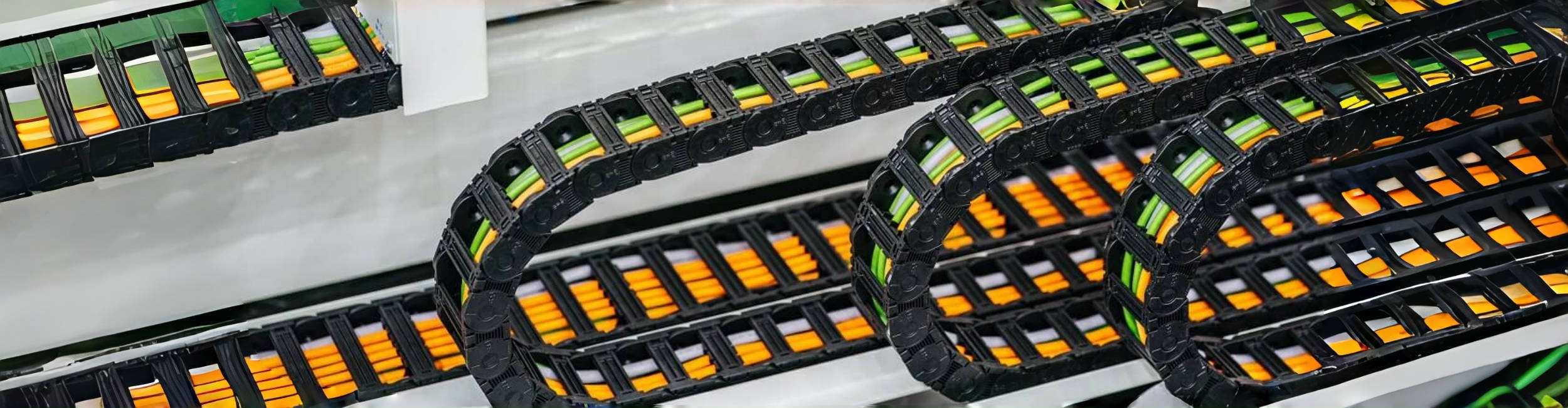
Cable drag chains, also known as energy chains, play a crucial role in the manufacturing and machining industry, especially in the operation of machine tools and other machinery. These chains are designed to manage and protect cables and hoses, allowing for safe and organized movement within automated environments. By understanding the key aspects of cable drag chains, manufacturers can significan
2026-01-09
One of the primary functions of cable drag chains is to prevent tangling and wear of cables and hoses during machine movement. In a manufacturing setting, where machines often have moving parts that require flexibility and mobility, ensuring the proper arrangement of these cables is critical. Cable drag chains provide a structured pathway that guides cables and hoses, minimizing the risk of damage caused by friction or excessive bending.
Additionally, cable drag chains contribute to improved safety in the workplace. By containing and organizing cables, these systems reduce tripping hazards and prevent accidental unplugging or disconnection of essential machinery. This is especially important in high-traffic areas where multiple machines operate simultaneously. Implementing cable drag chains not only ensures a safer work environment but also streamlines the workflow, allowing operators to focus on their tasks without unnecessary interruptions.
When selecting cable drag chains for your manufacturing operations, there are several factors to consider. First, assess the specific applications and requirements of your machinery. Look for drag chains that can accommodate the number and size of cables you need to manage. Additionally, consider the materials and construction of the chains. Options like plastic or metal chains may offer different benefits in terms of durability, weight, and resistance to chemicals or extreme temperatures.
Another vital aspect is the installation and maintenance of cable drag chains. Proper installation is essential to ensure that the chains perform effectively without any obstructions. Regular maintenance checks can help identify wear and tear, allowing for timely replacements before failure occurs. This proactive approach can significantly extend the lifespan of both the drag chains and the cables they protect.
In conclusion, incorporating cable drag chains into your manufacturing processes can greatly enhance efficiency, safety, and reliability. By understanding their functionality and implementing best practices, manufacturers can create a more organized and effective workspace, ultimately leading to improved productivity and reduced operational costs. As the manufacturing landscape continues to evolve, embracing innovations like cable drag chains will be key to staying competitive in the industry.
PREVIOUS:
Related News

Maximizing Efficiency with Cable Drag Chains in Manufacturing
In the realm of manufacturing and machining, the need for organized, efficient, and safe cable management is paramount. This is where cable drag chains come into play. A cable drag chain is designed to house and protect cables, hoses, and other components, allowing for smooth, unhindered movement in machinery. With a variety of designs and configurations available, they cater to specific requireme
How to Troubleshoot Issues with Your Plastic Drag Chain Table of Contents Understanding Plastic Drag Chains Common Issues with Plastic Drag Chains Identifying the Symptoms of Drag Chain Failure Step-by-Step Troubleshooting Guide Preventative Maintenance Tips for Plastic Drag Chains When to Replace Your Drag Chain Best Practices for Installing Drag Chains Conclusion
Subscribe to
Get the latest information on company products


Contact
Add: 14-2,Liandong U Valley,Manufacturing Industrial Park,Tangxia Town,Pengjiang District,Jiangmen City Guangdong Province, China