Krius Intelligent Manufacturing (Jiangmen) Co., Ltd.

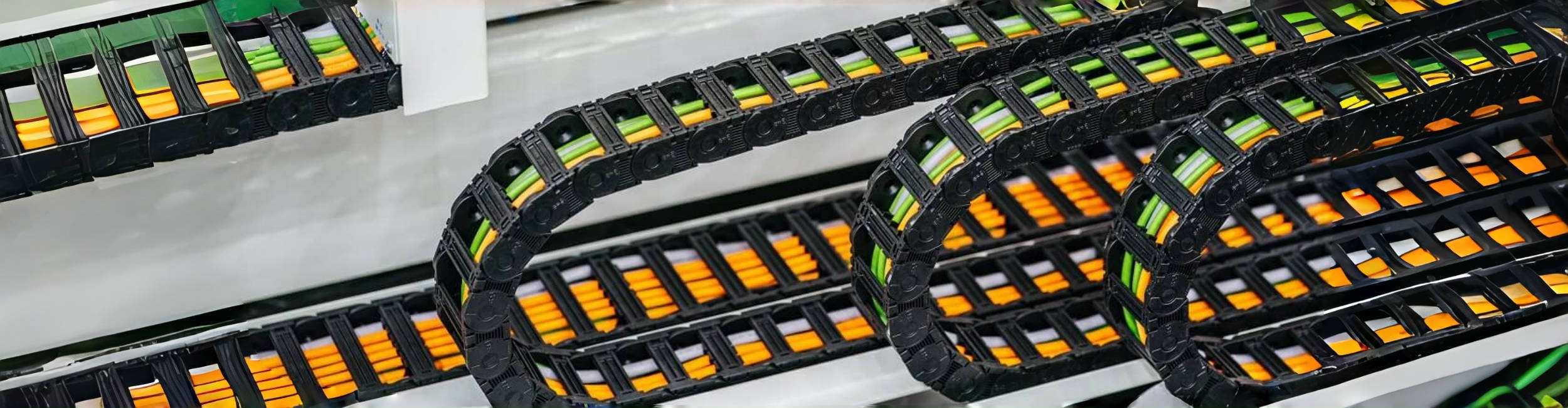
Plastic Drag Chains: Enhancing Performance in High-Speed Operations for Manufacturing Machinery
Plastic Drag Chains: Enhancing Performance in High-Speed Operations for Manufacturing Machinery Table of Contents 1. Introduction to Plastic Drag Chains 2. What Are Plastic Drag Chains? 3. Benefits of Using Plastic Drag Chains 4. Applications of Plastic Drag Chains in High-Speed Operations 5. Design and Structure of Plastic Drag Chains 6. Maintenance Tips for Long-lasting Performance
2026-01-10
Plastic Drag Chains: Enhancing Performance in High-Speed Operations for Manufacturing Machinery
Table of Contents
- 1. Introduction to Plastic Drag Chains
- 2. What Are Plastic Drag Chains?
- 3. Benefits of Using Plastic Drag Chains
- 4. Applications of Plastic Drag Chains in High-Speed Operations
- 5. Design and Structure of Plastic Drag Chains
- 6. Maintenance Tips for Long-lasting Performance
- 7. Plastic vs. Metal Drag Chains: A Comprehensive Comparison
- 8. The Future of Plastic Drag Chains in High-Speed Manufacturing
- 9. Frequently Asked Questions
- 10. Conclusion
1. Introduction to Plastic Drag Chains
In the ever-evolving landscape of manufacturing machinery, the demand for reliability, efficiency, and performance has never been higher. One of the key components that significantly contributes to operational success is the **plastic drag chain**. These essential components play a vital role in protecting moving cables and hoses, ensuring that high-speed operations are conducted smoothly and without interruption. Understanding the intricacies of plastic drag chains can empower manufacturers to optimize their equipment and enhance overall productivity.
2. What Are Plastic Drag Chains?
Plastic drag chains, also known as energy chains, are a type of cable carrier designed to guide and protect flexible cables, hoses, and other media in a controlled manner. They consist of interconnected links that form a channel for the cables to move within, preventing wear and tear caused by constant motion. Made from durable plastic materials, these drag chains are ideal for high-speed operations due to their lightweight nature and resistance to various environmental factors.
2.1 Composition of Plastic Drag Chains
The primary materials used in manufacturing plastic drag chains include polyethylene, nylon, and other engineering plastics. These materials are chosen for their excellent tensile strength, flexibility, and resistance to impact and chemical exposure, making them suitable for various industrial applications.
3. Benefits of Using Plastic Drag Chains
The integration of plastic drag chains into manufacturing machinery comes with numerous benefits that enhance both performance and longevity.
3.1 Improved Mobility and Flexibility
Plastic drag chains facilitate effortless movement of cables and hoses, reducing friction and wear. This flexibility allows for greater range of motion in high-speed operations, eliminating potential obstacles that could hinder efficiency.
3.2 Reduced Noise and Vibration
Unlike metal drag chains, plastic variants operate quietly, minimizing noise levels during high-speed movement. This reduction in noise contributes to a more pleasant work environment and reduces operator fatigue.
3.3 Lightweight Construction
The lightweight nature of plastic drag chains significantly decreases the overall weight of the machinery, which is crucial for high-speed applications. This reduction allows for faster acceleration and deceleration while consuming less energy.
3.4 Resistance to Environmental Factors
Plastic drag chains boast resistance to chemicals, oils, and moisture, making them suitable for a wide range of industrial environments. Their ability to withstand harsh conditions ensures that they maintain performance without frequent replacements.
4. Applications of Plastic Drag Chains in High-Speed Operations
Plastic drag chains find applications across various industries due to their adaptability and efficiency.
4.1 Automation and Robotics
In automation and robotics, plastic drag chains are essential for guiding wires and hoses in robotic arms and automated machinery. Their ability to support high-speed movement without compromising safety is crucial in these settings.
4.2 CNC Machinery
CNC machines require precise cable management to ensure accurate operations. Plastic drag chains help maintain organized cable routing, reducing the risk of entanglement and wear during high-speed cutting operations.
4.3 Packaging and Material Handling
In packaging and material handling, plastic drag chains efficiently manage the movement of electrical cables and pneumatic hoses, ensuring seamless operations on conveyor belts and automated packaging lines.
4.4 Textile Industry
The textile industry relies on plastic drag chains to organize cables in sewing machines and fabric handling equipment, enhancing productivity and reducing downtime.
5. Design and Structure of Plastic Drag Chains
The design of plastic drag chains is a critical factor in their overall performance.
5.1 Modular Design
Most plastic drag chains feature a modular design, allowing for easy customization based on the specific needs of the machinery. This adaptability ensures that manufacturers can configure the chains to fit various applications seamlessly.
5.2 Link Configuration
The link configuration of plastic drag chains varies, with options for open or closed designs. Open designs facilitate easy access for cable installation, while closed designs offer enhanced protection against dust and debris.
6. Maintenance Tips for Long-lasting Performance
To maximize the lifespan and performance of plastic drag chains, implement the following maintenance strategies:
6.1 Regular Inspections
Conduct routine inspections to identify signs of wear and tear, such as cracks or deformation. Early detection allows for timely replacements and reduces the risk of equipment failure.
6.2 Lubrication
While many plastic drag chains require minimal lubrication, it’s essential to follow manufacturer guidelines to maintain optimal performance and prevent friction-related issues.
6.3 Cleaning
Regularly clean the drag chains to remove dust, debris, and contaminants that could compromise their functionality. Use mild solvents and soft brushes for effective cleaning without damaging the plastic.
7. Plastic vs. Metal Drag Chains: A Comprehensive Comparison
While both plastic and metal drag chains serve similar purposes, they differ significantly in several aspects:
7.1 Weight and Flexibility
Plastic drag chains are significantly lighter than their metal counterparts, enhancing flexibility and speed during operation.
7.2 Noise Levels
Plastic drag chains operate quietly, while metal chains can generate more noise during movement. This difference can impact workplace comfort and productivity.
7.3 Cost Efficiency
Plastic drag chains often provide a more cost-effective solution due to their lower initial investment and reduced maintenance requirements compared to metal chains.
8. The Future of Plastic Drag Chains in High-Speed Manufacturing
As technology continues to advance, the future of plastic drag chains looks promising. Innovations in materials and design are expected to enhance their performance further, making them an even more attractive option for high-speed manufacturing operations. The integration of smart technologies may also lead to improved monitoring and maintenance capabilities, ensuring optimal performance at all times.
9. Frequently Asked Questions
9.1 What are the key advantages of using plastic drag chains?
The advantages include improved mobility, reduced noise, lightweight construction, and resistance to environmental factors.
9.2 How do I choose the right plastic drag chain for my application?
Consider factors such as the weight of the cables, the operating environment, and the speed of movement when selecting a drag chain.
9.3 Are plastic drag chains suitable for outdoor use?
Yes, many plastic drag chains are designed to withstand outdoor conditions, but it’s essential to verify compatibility with specific environmental factors.
9.4 How can I extend the lifespan of my plastic drag chains?
Regular inspections, proper cleaning, and following maintenance guidelines will help extend the lifespan of your drag chains.
9.5 Can plastic drag chains be repaired if damaged?
In many cases, minor damages can be repaired or replaced without needing to replace the entire chain. Consult with the manufacturer for specific repair options.
10. Conclusion
Plastic drag chains are indispensable in enhancing performance during high-speed operations across various manufacturing sectors. With their numerous benefits, including flexibility, noise reduction, and resistance to environmental factors, they are a smart choice for any manufacturer aiming to optimize their machinery. By understanding the design, applications, and maintenance of plastic drag chains, businesses can ensure the longevity and efficiency of their operations, paving the way for enhanced productivity in the fast-paced industrial landscape.
PREVIOUS:
Related News

Maximizing Efficiency with Cable Drag Chains in Manufacturing
In the realm of manufacturing and machining, the need for organized, efficient, and safe cable management is paramount. This is where cable drag chains come into play. A cable drag chain is designed to house and protect cables, hoses, and other components, allowing for smooth, unhindered movement in machinery. With a variety of designs and configurations available, they cater to specific requireme
How to Troubleshoot Issues with Your Plastic Drag Chain Table of Contents Understanding Plastic Drag Chains Common Issues with Plastic Drag Chains Identifying the Symptoms of Drag Chain Failure Step-by-Step Troubleshooting Guide Preventative Maintenance Tips for Plastic Drag Chains When to Replace Your Drag Chain Best Practices for Installing Drag Chains Conclusion
Subscribe to
Get the latest information on company products


Contact
Add: 14-2,Liandong U Valley,Manufacturing Industrial Park,Tangxia Town,Pengjiang District,Jiangmen City Guangdong Province, China