Krius Intelligent Manufacturing (Jiangmen) Co., Ltd.

Understanding the Construction of Nylon Drag Chains: A Comprehensive Technical Overview
Understanding the Construction of Nylon Drag Chains: A Comprehensive Technical Overview Table of Contents 1. Introduction to Nylon Drag Chains 2. What are Nylon Drag Chains? 3. Key Components of Nylon Drag Chains 4. Types of Nylon Drag Chains and Their Uses 5. Advantages of Using Nylon Drag Chains 6. Applications of Nylon Drag Chains in Industry 7. Maintenance and Care
2026-01-08
Understanding the Construction of Nylon Drag Chains: A Comprehensive Technical Overview
Table of Contents
- 1. Introduction to Nylon Drag Chains
- 2. What are Nylon Drag Chains?
- 3. Key Components of Nylon Drag Chains
- 4. Types of Nylon Drag Chains and Their Uses
- 5. Advantages of Using Nylon Drag Chains
- 6. Applications of Nylon Drag Chains in Industry
- 7. Maintenance and Care for Nylon Drag Chains
- 8. Conclusion
- 9. Frequently Asked Questions
1. Introduction to Nylon Drag Chains
Nylon drag chains play an essential role in the realm of machinery and manufacturing, where they serve as crucial components for the efficient movement of cables and hoses. These chains are specifically designed to protect the internal wiring and piping systems from wear and tear while facilitating smooth movement in automated environments. With the evolution of technology, nylon material has emerged as a favored choice due to its lightweight yet durable properties.
Understanding the construction of nylon drag chains and their functionality can significantly enhance operational efficiency, reduce downtime, and extend the lifespan of machinery.
2. What are Nylon Drag Chains?
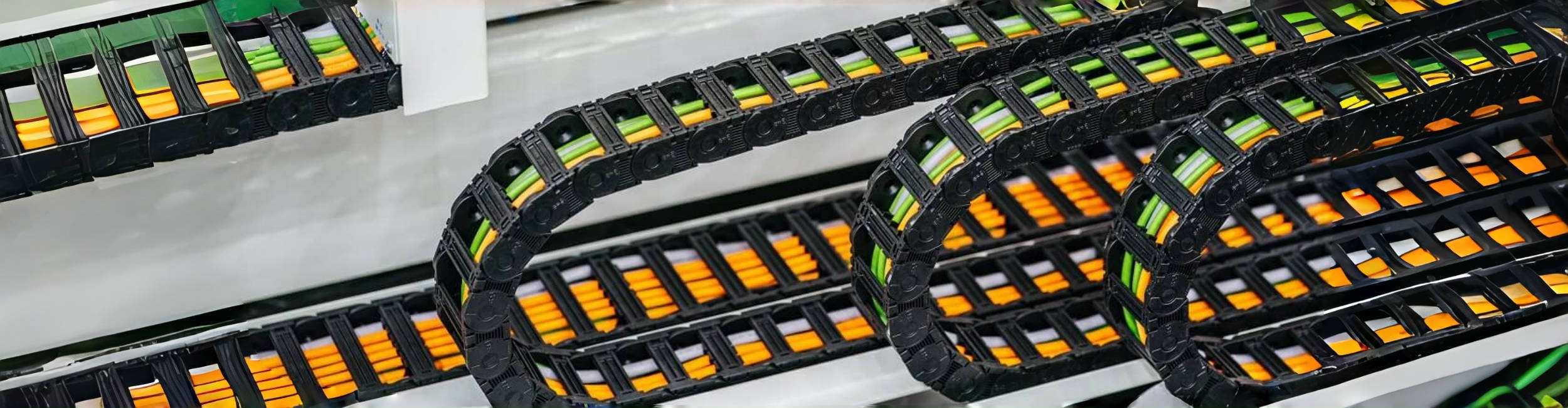
Nylon drag chains, also known as energy chains or cable carriers, are flexible, interconnected link chains made from high-quality nylon. They are engineered to hold and organize electrical cables, pneumatic hoses, hydraulic lines, and other essential components in motion systems.
These chains are specifically designed to protect cables from mechanical damage and wear caused by repetitive movement, friction, and environmental factors. They can be found in various applications, including CNC machines, robotics, conveyors, and automated assembly lines.
3. Key Components of Nylon Drag Chains
To fully grasp the functionality of nylon drag chains, it is essential to understand their key components:
3.1 Chain Links
The core of a nylon drag chain consists of interlocking links that provide flexibility and strength. Each link is designed to withstand heavy loads while allowing smooth movement.
3.2 Inner and Outer Runners
These runners are integral parts of the drag chain structure, providing a pathway for the cables or hoses. The design of the runners ensures minimal friction, enhancing the chain's durability and functionality.
3.3 Solid and Open Designs
Nylon drag chains come in both solid and open designs. Solid designs offer better protection against dust and debris, while open designs allow for easy access during maintenance.
3.4 Mounting Brackets
Mounting brackets are essential for securing the drag chain in place. They ensure proper alignment and stability during operation, preventing unnecessary stress on the cables.
4. Types of Nylon Drag Chains and Their Uses
Different types of nylon drag chains cater to specific needs and environments. Understanding these variations can help in selecting the right chain for a given application.
4.1 Standard Nylon Drag Chains
These are the most common type, used in general applications where basic cable protection is needed.
4.2 Heavy-Duty Nylon Drag Chains
Heavy-duty chains are designed for high-load applications, typically used in industrial settings where durability and strength are paramount.
4.3 Low-Profile Nylon Drag Chains
Ideal for applications with limited space, low-profile drag chains offer a compact design without compromising on performance.
4.4 Flexible and Curved Nylon Drag Chains
These chains are designed for applications that require movement in various directions, allowing for greater flexibility in setups.
5. Advantages of Using Nylon Drag Chains
Nylon drag chains offer numerous benefits, making them a preferred choice in various industries:
5.1 Lightweight and Flexible
Nylon is significantly lighter than metal alternatives, allowing for easier installation and less strain on machinery. Its flexibility ensures that it can adapt to multiple configurations.
5.2 High Resistance to Wear and Tear
Nylon drag chains are engineered to withstand significant wear and tear, making them ideal for environments with high mechanical stress.
5.3 Chemical and Temperature Resistance
Nylon has inherent resistance to a variety of chemicals and temperature fluctuations, ensuring that the drag chains maintain their integrity in various working conditions.
5.4 Reduced Noise Levels
The use of nylon also helps in reducing noise levels during operation, contributing to a quieter working environment.
6. Applications of Nylon Drag Chains in Industry
Nylon drag chains are versatile and find applications in a wide array of industries:
6.1 Manufacturing and CNC Machining
In manufacturing settings, nylon drag chains are employed to manage and protect cables in CNC machines, ensuring precise and consistent operations.
6.2 Robotic Systems
Robots utilize nylon drag chains to organize and protect their wiring, facilitating seamless movements and interactions with their environment.
6.3 Packaging Equipment
In the packaging industry, drag chains help in organizing cables for conveyor systems, ensuring efficient and reliable product handling.
6.4 Material Handling Systems
Nylon drag chains are essential in material handling systems, where they ensure the safe and efficient movement of goods within warehouses and distribution centers.
7. Maintenance and Care for Nylon Drag Chains
Proper maintenance is crucial to ensure the longevity and functionality of nylon drag chains. Here are some best practices:
7.1 Regular Inspections
Conduct regular inspections for signs of wear and tear, such as fraying or cracking of links, to address potential issues before they escalate.
7.2 Cleaning
Keep the drag chains clean from dust and debris to prevent unnecessary friction, which can lead to premature wear. Use a gentle cleaning agent and ensure thorough drying after cleaning.
7.3 Lubrication
While nylon drag chains generally require minimal lubrication, occasional application of a suitable lubricant can enhance performance and reduce friction.
7.4 Proper Installation
Ensure that the drag chain is installed correctly to avoid undue stress and enhance its lifespan. Follow manufacturer guidelines for installation processes.
8. Conclusion
Nylon drag chains represent a vital component in modern manufacturing and automation processes. Their innovative construction and versatile applications make them indispensable in various industrial settings. Understanding the intricacies of nylon drag chains—from their construction components to their maintenance—empowers professionals to optimize their use and enhance operational efficiency. Investing in high-quality nylon drag chains will not only ensure the protection of critical cables and hoses but also contribute to the overall productivity and reliability of machinery.
9. Frequently Asked Questions
9.1 What materials are nylon drag chains made from?
Nylon drag chains are primarily constructed from high-quality nylon, which provides durability and flexibility.
9.2 How do I choose the right nylon drag chain?
Consider factors such as load capacity, space constraints, and environmental conditions when selecting a nylon drag chain.
9.3 Can nylon drag chains be used outdoors?
Yes, nylon drag chains can be used outdoors, but it is essential to ensure they are protected from harsh environmental conditions that may affect their performance.
9.4 How often should nylon drag chains be inspected?
Regular inspections should be conducted every few months, or more frequently in high-use applications, to identify wear and tear.
9.5 What is the lifespan of a nylon drag chain?
The lifespan of a nylon drag chain depends on various factors, including usage, maintenance, and environmental conditions, but they are generally designed for long-term use.
By leveraging the information provided in this comprehensive overview, industry professionals can make informed decisions regarding the implementation and maintenance of nylon drag chains, ensuring optimal performance and longevity in their operations.
Related News

Maximizing Efficiency with Cable Drag Chains in Manufacturing
In the realm of manufacturing and machining, the need for organized, efficient, and safe cable management is paramount. This is where cable drag chains come into play. A cable drag chain is designed to house and protect cables, hoses, and other components, allowing for smooth, unhindered movement in machinery. With a variety of designs and configurations available, they cater to specific requireme
How to Troubleshoot Issues with Your Plastic Drag Chain Table of Contents Understanding Plastic Drag Chains Common Issues with Plastic Drag Chains Identifying the Symptoms of Drag Chain Failure Step-by-Step Troubleshooting Guide Preventative Maintenance Tips for Plastic Drag Chains When to Replace Your Drag Chain Best Practices for Installing Drag Chains Conclusion
Subscribe to
Get the latest information on company products


Contact
Add: 14-2,Liandong U Valley,Manufacturing Industrial Park,Tangxia Town,Pengjiang District,Jiangmen City Guangdong Province, China