Krius Intelligent Manufacturing (Jiangmen) Co., Ltd.

The Essential Guide to Nylon Cable Drag Chains in Manufacturing
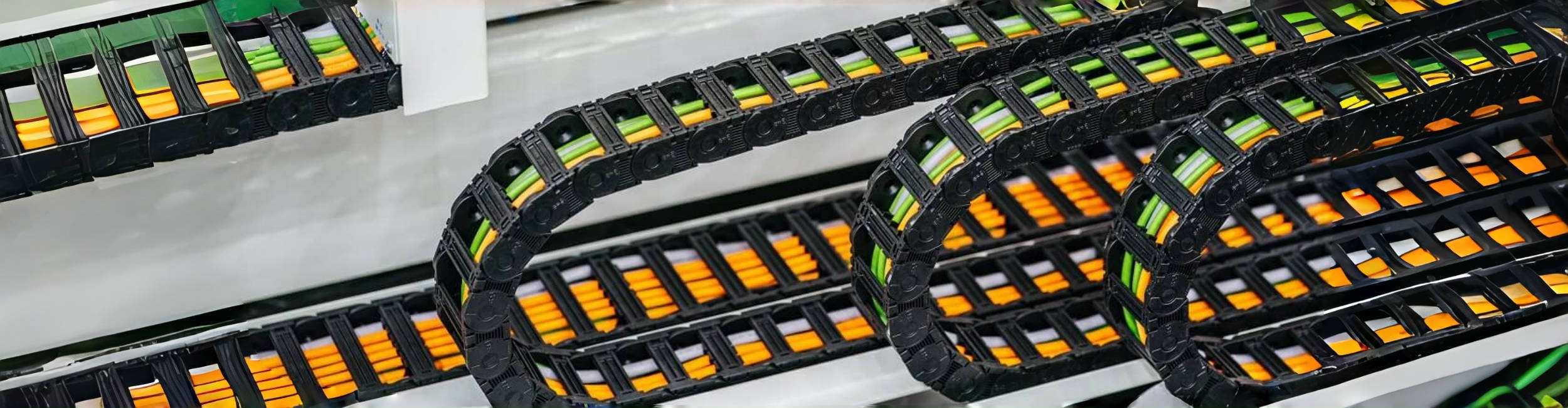
Nylon cable drag chains are engineered to protect and guide cables and hoses in various industrial applications, particularly within machine tools and manufacturing systems. These chains are designed to reduce wear and tear on cables, enhance mobility, and maintain a tidy work environment. The flexibility and lightweight nature of nylon make these drag chains a popular choice for dynamic applicati
2025-12-19
One of the primary advantages of nylon cable drag chains is their high resistance to abrasion and chemicals. This resistance makes them suitable for environments where exposure to oils, dust, and other contaminants is common. The material's durability ensures that the chains can withstand harsh conditions, resulting in reduced maintenance costs and prolonged lifespan of the cables they protect.
When selecting a nylon cable drag chain, it's essential to consider the specific requirements of the application. Factors such as bending radius, load capacity, and installation space should be assessed to ensure optimal performance. Many manufacturers provide customizable options, allowing businesses to tailor the drag chain to fit their unique setup. This customization can include variations in size, shape, and even the number of compartments within the chain, enabling efficient organization of multiple cables or hoses.
Installation and maintenance of nylon cable drag chains can significantly influence their effectiveness. Proper installation techniques are crucial to prevent excessive wear, which can occur if the chain is not aligned correctly. It’s advisable to follow the manufacturer's guidelines closely during installation. Routine inspection for signs of wear, such as fraying or deformation, can also help ensure the longevity of both the drag chain and the cables it houses.
In addition to their protective qualities, nylon cable drag chains can enhance the overall efficiency of manufacturing processes. By keeping cables organized and reducing tangling, these drag chains facilitate smoother operations, minimizing downtime and improving productivity. As industries continue to evolve towards automation, the importance of reliable cable management solutions like nylon cable drag chains cannot be overstated.
In conclusion, nylon cable drag chains are indispensable in the manufacturing sector, particularly for machine tool applications. Their robust features, including abrasion resistance and customizable designs, make them a top choice for professionals seeking to optimize their machinery’s performance. By understanding the benefits and proper maintenance of these drag chains, businesses can ensure the reliability and efficiency of their operations.
Related News

Maximizing Efficiency with Cable Drag Chains in Manufacturing
In the realm of manufacturing and machining, the need for organized, efficient, and safe cable management is paramount. This is where cable drag chains come into play. A cable drag chain is designed to house and protect cables, hoses, and other components, allowing for smooth, unhindered movement in machinery. With a variety of designs and configurations available, they cater to specific requireme
How to Troubleshoot Issues with Your Plastic Drag Chain Table of Contents Understanding Plastic Drag Chains Common Issues with Plastic Drag Chains Identifying the Symptoms of Drag Chain Failure Step-by-Step Troubleshooting Guide Preventative Maintenance Tips for Plastic Drag Chains When to Replace Your Drag Chain Best Practices for Installing Drag Chains Conclusion
Subscribe to
Get the latest information on company products


Contact
Add: 14-2,Liandong U Valley,Manufacturing Industrial Park,Tangxia Town,Pengjiang District,Jiangmen City Guangdong Province, China