Krius Intelligent Manufacturing (Jiangmen) Co., Ltd.

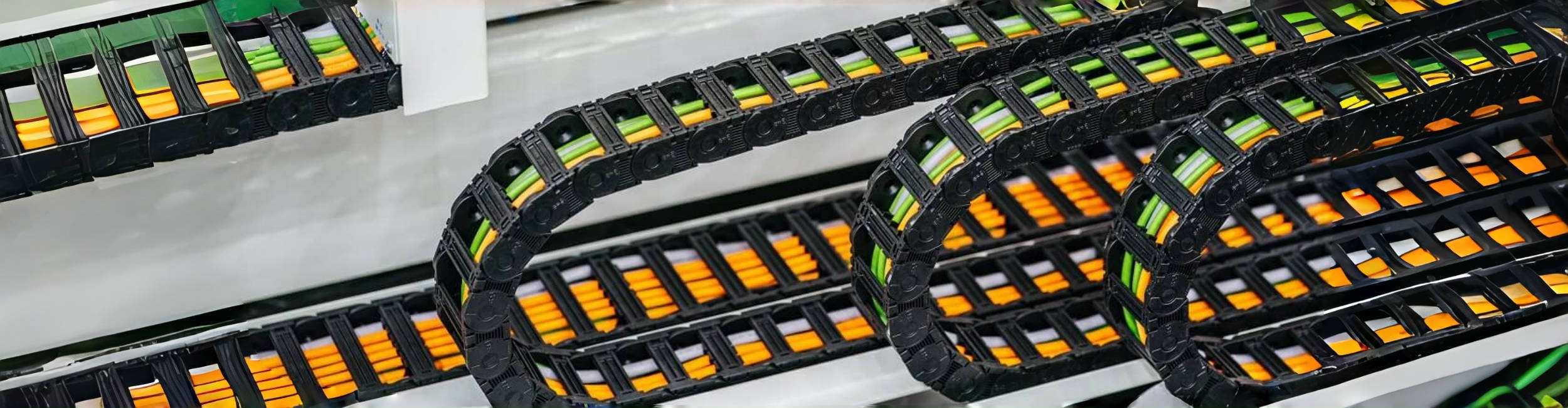
Plastic Cable Drag Chains: Essential for Ensuring Smooth Machine Operation
Plastic Cable Drag Chains: Essential for Ensuring Smooth Machine Operation Table of Contents 1. Introduction to Plastic Cable Drag Chains 2. What Are Plastic Cable Drag Chains? 3. Key Benefits of Using Plastic Cable Drag Chains 4. Various Types of Plastic Drag Chains 5. Applications of Plastic Cable Drag Chains in Industries 6. Installation and Maintenance Best Practices
2025-12-20
Plastic Cable Drag Chains: Essential for Ensuring Smooth Machine Operation
Table of Contents
- 1. Introduction to Plastic Cable Drag Chains
- 2. What Are Plastic Cable Drag Chains?
- 3. Key Benefits of Using Plastic Cable Drag Chains
- 4. Various Types of Plastic Drag Chains
- 5. Applications of Plastic Cable Drag Chains in Industries
- 6. Installation and Maintenance Best Practices
- 7. Troubleshooting Common Issues with Drag Chains
- 8. Future Trends in Plastic Cable Drag Chains
- 9. Conclusion
- 10. Frequently Asked Questions
1. Introduction to Plastic Cable Drag Chains
In the realm of manufacturing and machinery, ensuring that equipment operates smoothly is paramount. One of the essential components that contribute to this operational efficiency is the **plastic cable drag chain**. These specialized chains not only protect and manage cables and hoses but also enhance mobility and prevent tangling. This article will explore the significance of plastic cable drag chains and their role in various industrial applications.
2. What Are Plastic Cable Drag Chains?
Plastic cable drag chains, also known as energy chains or cable carriers, are designed to guide and protect moving cables, hoses, and other flexible elements in machinery. They consist of interconnected links that create a channel through which cables can move freely while being safeguarded against wear, abrasion, and environmental factors.
These drag chains are made from high-quality plastic materials, which offer excellent durability and resistance to chemicals, oils, and UV radiation. As machinery operates, the drag chains allow for smooth movement, reducing friction and the risk of cable damage.
3. Key Benefits of Using Plastic Cable Drag Chains
The use of plastic cable drag chains provides numerous advantages, making them a preferred choice in various industrial settings. Here are some key benefits:
3.1 Enhanced Mobility
Plastic cable drag chains are designed for seamless movement, allowing machinery to operate smoothly without interruptions. This enhanced mobility is especially crucial in dynamic applications where machines must frequently change position.
3.2 Protection of Cables
One of the primary functions of drag chains is to protect cables from abrasion, entanglement, and environmental hazards. This extended protection significantly reduces the likelihood of cable failure, which can lead to costly downtime.
3.3 Space Efficiency
By organizing cables and hoses within a drag chain, manufacturers can maximize space within their machinery. This is particularly beneficial in compact setups or when space is at a premium.
3.4 Versatility
Plastic cable drag chains come in various sizes and configurations, making them suitable for a wide range of applications, from CNC machines to robotic arms. Their adaptability allows for customization based on specific operational requirements.
3.5 Cost-Effectiveness
Investing in plastic cable drag chains can result in long-term savings. By protecting cables and reducing maintenance needs, businesses can minimize repair costs and equipment downtime.
4. Various Types of Plastic Drag Chains
There are several types of plastic drag chains available in the market, each designed to meet specific operational needs. Below are some common types:
4.1 Open-Style Drag Chains
Open-style drag chains feature an open design that allows for easy access to cables. This design is ideal for applications where frequent cable changes are necessary.
4.2 Closed-Style Drag Chains
Closed-style drag chains provide additional protection since they enclose the cables completely. They are suitable for applications where the environment might expose cables to harsh conditions.
4.3 Heavy-Duty Drag Chains
For high-load applications, heavy-duty drag chains are available. These chains are reinforced to withstand substantial forces while maintaining optimal cable management.
4.4 Lightweight Drag Chains
Lightweight drag chains are designed for applications where minimizing weight is crucial. They offer flexibility and ease of installation without compromising performance.
5. Applications of Plastic Cable Drag Chains in Industries
Plastic cable drag chains find applications in a multitude of industries due to their versatility and reliability. Here are some prominent areas where they are commonly used:
5.1 CNC Machining
In CNC machining, drag chains help manage multiple cables and hoses that control various machine functions. This organization prevents entanglement and promotes efficient operation.
5.2 Robotics
Robotic systems often require flexible movements and precise cable management. Plastic cable drag chains facilitate this by allowing cables to move seamlessly with the robot's actions.
5.3 Material Handling
In material handling equipment, such as conveyor systems, drag chains play a critical role in cable protection and management, ensuring uninterrupted operations.
5.4 Printing and Textile Industries
Machines in the printing and textile industries often experience repetitive movements. Drag chains help maintain cable integrity, reducing maintenance and downtime.
5.5 Automation Systems
In fully automated systems, the reliability of cable management is essential. Plastic drag chains ensure that all cables are protected and function correctly, contributing to overall system efficiency.
6. Installation and Maintenance Best Practices
Proper installation and maintenance of plastic cable drag chains are crucial for ensuring longevity and optimal performance. Here are some best practices:
6.1 Installation Guidelines
- Ensure the drag chain is sized correctly for the cables it will carry.
- Follow the manufacturer’s instructions for installation, including proper mounting and alignment.
- Allow for sufficient bend radius to prevent stress on cables during operation.
6.2 Regular Inspection
Conduct regular inspections to check for wear and tear on both the drag chain and cables. Look for signs of damage, such as fraying or stretching.
6.3 Cleaning and Lubrication
Keep the drag chain clean from dust and debris. Use appropriate lubricants to enhance movement and reduce friction, ensuring optimal performance.
7. Troubleshooting Common Issues with Drag Chains
Even with the best products, you may encounter some challenges. Here are common issues and their solutions:
7.1 Cable Fraying
If cables are fraying, it may indicate that they are not properly secured within the drag chain. Ensure they are adequately placed and that the drag chain is not too tight.
7.2 Noise During Operation
Unusual noises can arise from improper alignment or lack of lubrication. Check the installation and apply lubricant where necessary to minimize friction.
7.3 Insufficient Space
If there is insufficient space for the drag chain's movement, consider relocating or resizing components to ensure adequate room for the chain to operate.
8. Future Trends in Plastic Cable Drag Chains
As technology continues to advance, so do the innovations surrounding plastic cable drag chains. Here are some trends to watch for:
8.1 Smart Drag Chains
The integration of smart technology into drag chains is on the rise. Sensors can monitor cable wear and operational conditions, providing real-time data for maintenance.
8.2 Eco-Friendly Materials
With increasing environmental concerns, manufacturers are exploring eco-friendly materials for drag chains that maintain performance while reducing ecological impact.
8.3 Customization Options
More customization options are becoming available, allowing businesses to tailor drag chains to specific operational needs. This trend enhances usability and performance.
9. Conclusion
In conclusion, plastic cable drag chains are invaluable components in various machinery, ensuring smooth operation and enhancing overall performance. By protecting cables and facilitating efficient movement, they contribute to the reliability and longevity of equipment. Understanding their benefits, types, applications, and maintenance practices will empower manufacturers and operators to optimize their machinery and achieve greater efficiency.
10. Frequently Asked Questions
10.1 What materials are used to manufacture plastic cable drag chains?
Plastic cable drag chains are typically made from high-quality engineering plastics, providing durability and resistance to wear, chemicals, and UV exposure.
10.2 How do I choose the right size of drag chain for my application?
Selecting the correct size involves considering the diameter and number of cables, the required bend radius, and the operational environment.
10.3 Can plastic drag chains be used in high-temperature environments?
Yes, but it is essential to choose drag chains specifically designed for high-temperature applications, as standard plastic materials may not withstand extreme heat.
10.4 How often should I inspect my drag chains?
Regular inspections are recommended, ideally every few months, depending on usage. Frequent inspections can identify wear early and prevent cable failure.
10.5 Are there eco-friendly options for plastic cable drag chains?
Yes, some manufacturers are developing drag chains from recycled or sustainable materials, contributing to environmentally friendly manufacturing practices.
Related News

Maximizing Efficiency with Cable Drag Chains in Manufacturing
In the realm of manufacturing and machining, the need for organized, efficient, and safe cable management is paramount. This is where cable drag chains come into play. A cable drag chain is designed to house and protect cables, hoses, and other components, allowing for smooth, unhindered movement in machinery. With a variety of designs and configurations available, they cater to specific requireme
How to Troubleshoot Issues with Your Plastic Drag Chain Table of Contents Understanding Plastic Drag Chains Common Issues with Plastic Drag Chains Identifying the Symptoms of Drag Chain Failure Step-by-Step Troubleshooting Guide Preventative Maintenance Tips for Plastic Drag Chains When to Replace Your Drag Chain Best Practices for Installing Drag Chains Conclusion
Subscribe to
Get the latest information on company products


Contact
Add: 14-2,Liandong U Valley,Manufacturing Industrial Park,Tangxia Town,Pengjiang District,Jiangmen City Guangdong Province, China