Krius Intelligent Manufacturing (Jiangmen) Co., Ltd.

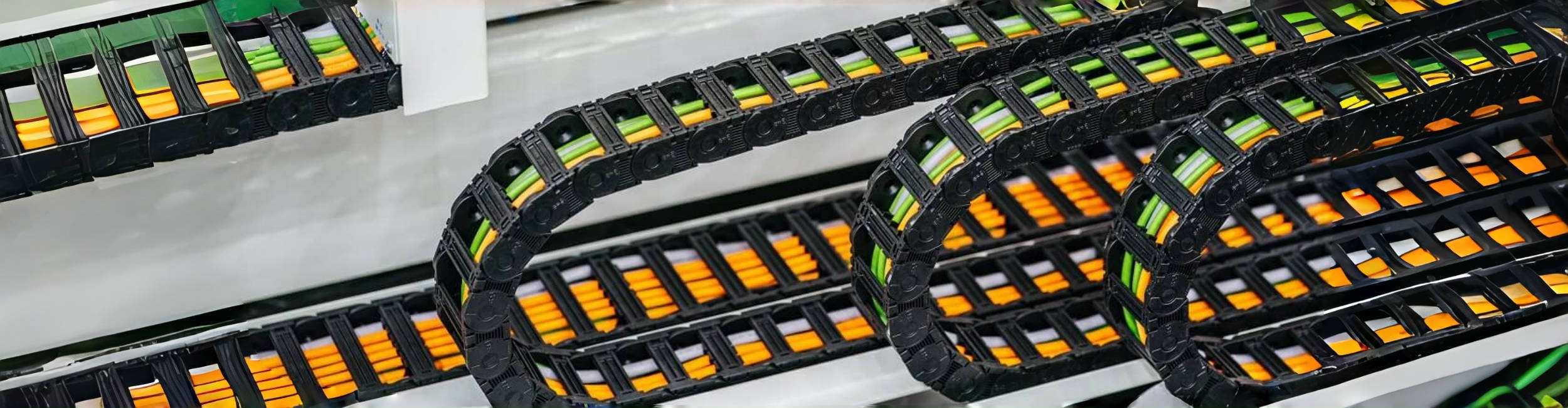
Plastic Drag Chains: Innovative Solutions for Complex Cable Routing Challenges
Plastic Drag Chains: Innovative Solutions for Complex Cable Routing Challenges Table of Contents 1. Understanding Plastic Drag Chains 2. The Importance of Effective Cable Routing 3. Applications of Plastic Drag Chains in Industry 4. Benefits of Using Plastic Drag Chains 5. Choosing the Right Plastic Drag Chain for Your Needs 6. Installation and Maintenance of Plastic Drag
2025-12-18
Plastic Drag Chains: Innovative Solutions for Complex Cable Routing Challenges
Table of Contents
- 1. Understanding Plastic Drag Chains
- 2. The Importance of Effective Cable Routing
- 3. Applications of Plastic Drag Chains in Industry
- 4. Benefits of Using Plastic Drag Chains
- 5. Choosing the Right Plastic Drag Chain for Your Needs
- 6. Installation and Maintenance of Plastic Drag Chains
- 7. Case Studies and Success Stories
- 8. Future Trends in Cable Routing Solutions
- 9. FAQs About Plastic Drag Chains
1. Understanding Plastic Drag Chains
Plastic drag chains, also known as energy chains or cable carriers, are designed to manage and guide flexible cables and hoses in applications where mobility is required. These systems are essential in environments where complex cable routing is necessary, such as manufacturing plants, robotics, and automated machinery. The primary function of plastic drag chains is to protect cables from wear and tear, ensuring longevity and optimal performance.
2. The Importance of Effective Cable Routing
Effective cable routing is critical to maintaining system efficiency and minimizing downtime. Poor cable management can lead to damaged cables, increased maintenance costs, and safety hazards. By implementing plastic drag chains, industries can achieve organized and efficient cable routing, promoting a safer and more productive work environment.
The Role of Cable Management in Productivity
The way cables are routed can significantly impact a facility's productivity. Well-organized cables reduce the risk of entanglement and damage, allowing for smooth operations. Additionally, proper cable management leads to easier maintenance and faster troubleshooting, ultimately enhancing overall productivity.
3. Applications of Plastic Drag Chains in Industry
Plastic drag chains are widely used in various industries, including:
3.1 Manufacturing Automation
In manufacturing environments, plastic drag chains guide cables and hoses in automated machinery and conveyor systems. They ensure that the necessary power and data lines are organized, preventing disruptions during operation.
3.2 Robotics
Robotic arms require precise cable management to function correctly. Plastic drag chains enable robots to move freely without the hindrance of tangled cables, enhancing their efficiency and reliability.
3.3 CNC Machines
CNC machines rely on electrical and fluid power to operate. Plastic drag chains help manage these cables, protecting them from wear and ensuring consistent performance during operation.
3.4 Packaging and Material Handling
In packaging lines, plastic drag chains keep cables organized, reducing the risk of cable damage and ensuring uninterrupted production flow.
4. Benefits of Using Plastic Drag Chains
Utilizing plastic drag chains offers numerous advantages:
4.1 Durability and Longevity
Plastic drag chains are designed to withstand harsh conditions, including exposure to chemicals, extreme temperatures, and mechanical stress. This durability results in a longer service life, making them a cost-effective solution.
4.2 Versatility and Customization
Plastic drag chains come in various sizes and configurations to meet specific application requirements. They can be customized to accommodate different cable types and lengths, ensuring optimal performance.
4.3 Enhanced Safety
By organizing cables and hoses, plastic drag chains minimize tripping hazards and mechanical entanglements, promoting a safer working environment for employees.
4.4 Reduced Maintenance Costs
With effective cable protection, plastic drag chains reduce the likelihood of cable damage and failure, leading to lower maintenance costs and less downtime.
5. Choosing the Right Plastic Drag Chain for Your Needs
Selecting the appropriate plastic drag chain involves considering several factors:
5.1 Load Capacity
It's essential to evaluate the load capacity of the drag chain based on the weight and type of cables and hoses it will carry. Always refer to the manufacturer's specifications for guidance.
5.2 Bend Radius
The bend radius plays a vital role in ensuring the longevity of the cables within the drag chain. A proper bend radius prevents excessive stress and potential damage to the cables.
5.3 Chain Length and Size
The length and size of the drag chain should correspond to the application's specific requirements. Too short a chain may lead to cable strain, while an excessively long chain can cause unnecessary slack.
5.4 Environmental Considerations
Consider the working environment when selecting a plastic drag chain. Factors like temperature, exposure to chemicals, and physical stress will influence the choice of materials.
6. Installation and Maintenance of Plastic Drag Chains
Proper installation and maintenance are crucial for maximizing the performance of plastic drag chains.
6.1 Installation Guidelines
- Ensure that the drag chain is aligned correctly with the movement of the machinery.
- Secure the chain at both ends to prevent movement during operation.
- Arrange cables within the chain to allow for easy movement without excessive strain.
6.2 Maintenance Tips
- Regularly inspect the drag chain for signs of wear or damage.
- Clean the chain to remove debris that may impede movement.
- Replace worn or damaged components promptly to maintain system efficiency.
7. Case Studies and Success Stories
Numerous companies have successfully implemented plastic drag chains to enhance their cable routing systems.
7.1 Manufacturing Company A
Company A, a leading manufacturer in the automotive industry, faced challenges with tangled cables in their robotic assembly line. After implementing plastic drag chains, they observed a 30% reduction in downtime due to cable-related issues, leading to increased overall productivity.
7.2 Robotics Firm B
A robotics firm struggled with cable management in their robotic arms, affecting the efficiency of their production line. By switching to plastic drag chains, they improved the movement of their robots, resulting in a 25% boost in operational efficiency.
8. Future Trends in Cable Routing Solutions
As technology advances, the future of cable routing solutions continues to evolve. Emerging trends include:
8.1 Smart Drag Chains
Integrating sensors into plastic drag chains can provide real-time monitoring of cable health and performance, allowing for proactive maintenance and reducing unplanned downtime.
8.2 Eco-Friendly Materials
As industries move toward sustainability, the development of biodegradable or recyclable drag chains is becoming more prevalent, aligning with environmental goals.
8.3 Automation and Robotics
With the rise of automation, the demand for efficient cable management solutions will increase, leading to more innovative drag chain designs.
9. FAQs About Plastic Drag Chains
9.1 What are plastic drag chains made of?
Plastic drag chains are typically made from high-quality engineering plastics such as nylon or polyamide, which offer excellent durability and resistance to wear.
9.2 How do I determine the right size drag chain for my application?
To select the appropriate size, consider the load capacity, bend radius, and the specific cables or hoses you intend to route within the chain.
9.3 Are plastic drag chains suitable for outdoor use?
Yes, many plastic drag chains are designed to withstand outdoor conditions. However, it is essential to check the manufacturer’s specifications for environmental resistance.
9.4 How often should I maintain my plastic drag chains?
Regular inspections should be performed at least quarterly, or more frequently if the operating environment is harsh. Maintenance should include cleaning and checking for wear.
9.5 Can plastic drag chains be used in high-temperature applications?
Certain types of plastic drag chains are rated for high-temperature use. It is critical to consult the manufacturer’s specifications for temperature limits.
Conclusion
Plastic drag chains are an indispensable solution for managing complex cable routing challenges across various industries. Their durability, versatility, and ease of maintenance make them an attractive option for companies looking to enhance productivity and safety. By understanding their benefits, applications, and the importance of proper installation, businesses can leverage plastic drag chains to optimize their operations, reduce downtime, and ultimately achieve greater efficiency in their processes. As technology advances, we expect to see even more innovative solutions in cable management, ensuring the continued relevance of plastic drag chains in the ever-evolving industrial landscape.
Related News

Maximizing Efficiency with Cable Drag Chains in Manufacturing
In the realm of manufacturing and machining, the need for organized, efficient, and safe cable management is paramount. This is where cable drag chains come into play. A cable drag chain is designed to house and protect cables, hoses, and other components, allowing for smooth, unhindered movement in machinery. With a variety of designs and configurations available, they cater to specific requireme
How to Troubleshoot Issues with Your Plastic Drag Chain Table of Contents Understanding Plastic Drag Chains Common Issues with Plastic Drag Chains Identifying the Symptoms of Drag Chain Failure Step-by-Step Troubleshooting Guide Preventative Maintenance Tips for Plastic Drag Chains When to Replace Your Drag Chain Best Practices for Installing Drag Chains Conclusion
Subscribe to
Get the latest information on company products


Contact
Add: 14-2,Liandong U Valley,Manufacturing Industrial Park,Tangxia Town,Pengjiang District,Jiangmen City Guangdong Province, China