Krius Intelligent Manufacturing (Jiangmen) Co., Ltd.

Mastering Nylon Cable Drag Chains: Essential Insights for Manufacturing and Machinery
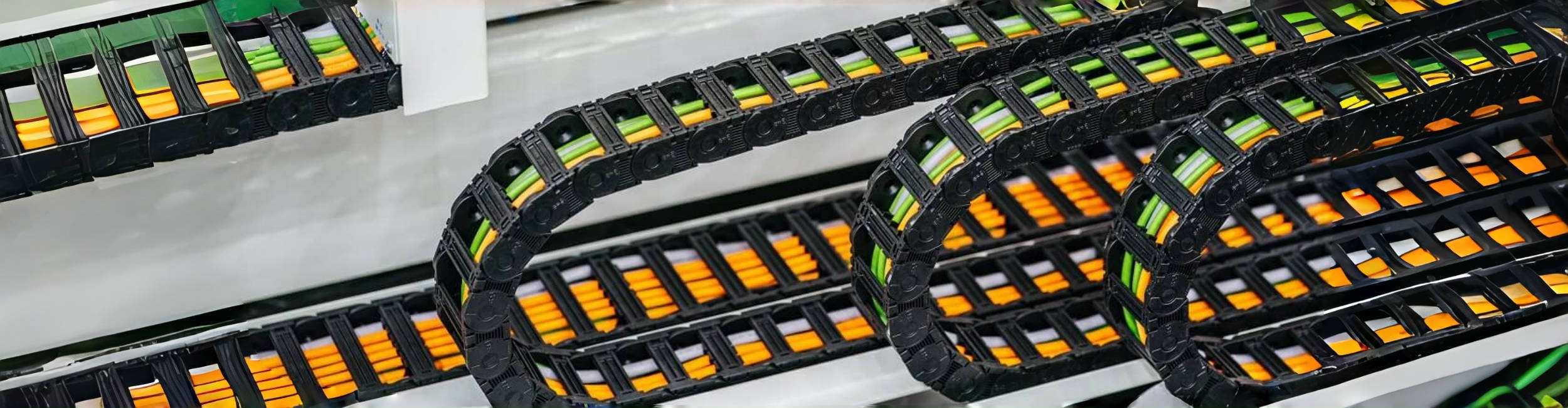
Nylon cable drag chains, an integral part of the manufacturing and machining sectors, serve as protective conduits for various cables and hoses. These chains facilitate the organized movement of wires and cables while preventing wear and tear from friction, dirt, and external elements. Understanding the practical benefits and applications of nylon cable drag chains can enhance efficiency in machin
2025-12-09
One of the primary advantages of nylon cable drag chains is their lightweight nature. Made from high-quality nylon materials, these drag chains are robust yet lightweight, which helps in reducing the overall weight of the moving parts in machinery. This reduction in weight can significantly improve the machine's energy efficiency and allow for faster operation without compromising on safety.
Another critical benefit is the flexibility that nylon cable drag chains offer. They come in various sizes and configurations, allowing manufacturers to select a chain that best fits their specific requirements. This versatility ensures that cables and hoses can be routed in the most efficient manner, minimizing bends and sharp angles that could lead to damage. Additionally, due to their design, these chains can easily accommodate various cable types, making them ideal for applications where multiple cable types must be managed simultaneously.
The durability of nylon cable drag chains cannot be understated. Nylon is known for its excellent resistance to wear, impact, and various chemicals, ensuring that the drag chains can withstand harsh working environments. This durability contributes to lower maintenance needs and reduced downtime, making them a cost-effective choice for manufacturers.
When selecting nylon cable drag chains, it is essential to consider factors such as load capacity, bend radius, and environmental conditions. Manufacturers should ensure that the selected chain can handle the weight of the cables it will carry and that the bend radius fits the application without putting undue stress on the cables. Moreover, considering the work environment—such as exposure to chemicals or extreme temperatures—will help in choosing the right material and configuration for the drag chain.
In conclusion, utilizing nylon cable drag chains in manufacturing and machining applications can greatly enhance operational efficiency and equipment longevity. Their lightweight, flexible, and durable characteristics make them a vital component in protecting cables and hoses from damage while ensuring smooth functionality. By understanding their benefits and proper selection criteria, manufacturers can make informed choices that contribute to more effective machinery operations. Embracing the advantages of nylon cable drag chains can lead to significant improvements in productivity and reliability in various industrial applications.
Related News

Maximizing Efficiency with Cable Drag Chains in Manufacturing
In the realm of manufacturing and machining, the need for organized, efficient, and safe cable management is paramount. This is where cable drag chains come into play. A cable drag chain is designed to house and protect cables, hoses, and other components, allowing for smooth, unhindered movement in machinery. With a variety of designs and configurations available, they cater to specific requireme
How to Troubleshoot Issues with Your Plastic Drag Chain Table of Contents Understanding Plastic Drag Chains Common Issues with Plastic Drag Chains Identifying the Symptoms of Drag Chain Failure Step-by-Step Troubleshooting Guide Preventative Maintenance Tips for Plastic Drag Chains When to Replace Your Drag Chain Best Practices for Installing Drag Chains Conclusion
Subscribe to
Get the latest information on company products


Contact
Add: 14-2,Liandong U Valley,Manufacturing Industrial Park,Tangxia Town,Pengjiang District,Jiangmen City Guangdong Province, China