Krius Intelligent Manufacturing (Jiangmen) Co., Ltd.

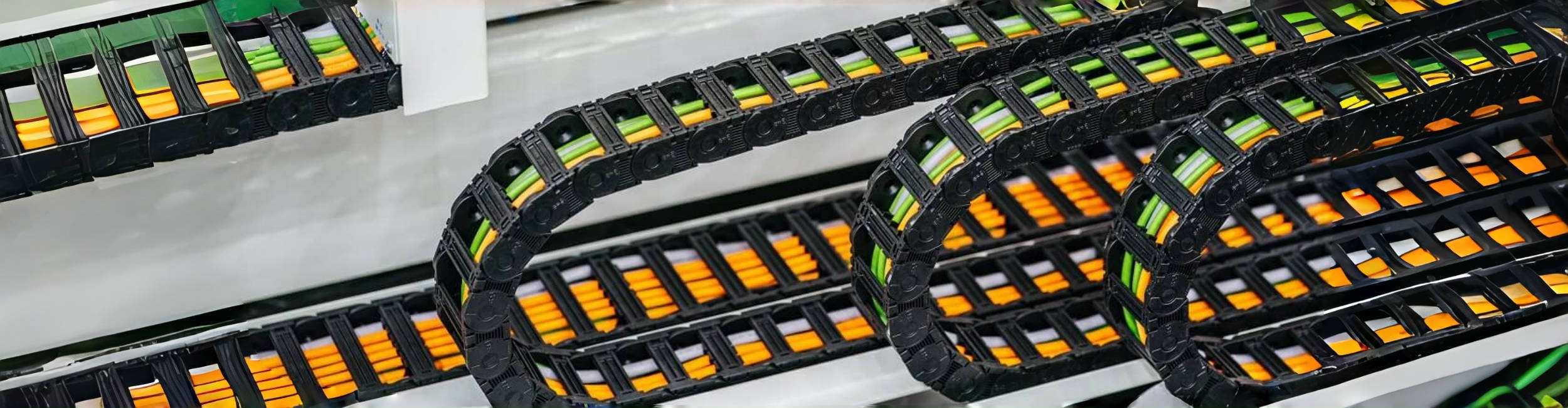
How Plastic Drag Chains Reduce Risks of Cable Damage in Machines
How Plastic Drag Chains Reduce Risks of Cable Damage in Machines Table of Contents 1. Introduction to Plastic Drag Chains 2. Understanding Drag Chains and Their Functionality 3. Benefits of Using Plastic Drag Chains 4. How Cable Damage Occurs in Machines 5. Mitigating Risks of Cable Damage with Drag Chains 6. Case Studies: Successful Implementation of Plastic Drag Chains
2025-12-08
How Plastic Drag Chains Reduce Risks of Cable Damage in Machines
Table of Contents
- 1. Introduction to Plastic Drag Chains
- 2. Understanding Drag Chains and Their Functionality
- 3. Benefits of Using Plastic Drag Chains
- 4. How Cable Damage Occurs in Machines
- 5. Mitigating Risks of Cable Damage with Drag Chains
- 6. Case Studies: Successful Implementation of Plastic Drag Chains
- 7. Installation and Maintenance of Plastic Drag Chains
- 8. Future Trends in Drag Chain Technology
- 9. Frequently Asked Questions
- 10. Conclusion
1. Introduction to Plastic Drag Chains
Plastic drag chains are essential components in the machinery landscape, designed specifically to manage and protect cables and hoses in dynamic applications. In a world where operational efficiency and equipment longevity are crucial, these chains stand out for their ability to reduce wear and tear on cables, ultimately minimizing downtime and preventing costly repairs.
2. Understanding Drag Chains and Their Functionality
Drag chains, often referred to as energy chains, are articulated chains that guide and protect cables and hoses in machinery. They are designed to withstand the rigors of repetitive motion, making them ideal for environments like manufacturing plants, robotics, and CNC machines.
The Mechanics of Drag Chains
At their core, drag chains consist of interlinked segments that form an enclosed pathway for cables. This design ensures that cables remain organized and protected from external factors such as abrasions, tangling, and exposure to harsh environments. The flexibility of plastic drag chains allows them to accommodate a wide range of movements, including linear and rotational motion.
Materials Used in Drag Chains
The use of high-grade plastics in manufacturing drag chains contributes significantly to their performance. Materials such as polyamide (nylon) and polypropylene offer excellent resistance to wear, chemicals, and UV light, enhancing the durability of drag chains in various industrial applications.
3. Benefits of Using Plastic Drag Chains
Integrating plastic drag chains into machinery presents numerous advantages that go beyond simple cable management.
Enhanced Cable Protection
Plastic drag chains effectively shield cables from physical damage, environmental factors, and mechanical stress. By containing cables within a structured pathway, they minimize the risk of abrasion and snagging that can lead to failure.
Increased Operational Efficiency
By preventing cable damage, drag chains enhance the overall efficiency of machinery. Equipment operates smoothly without interruptions caused by cable failures, leading to increased productivity and reduced downtime.
Cost-Effectiveness
Investing in plastic drag chains can significantly reduce maintenance costs associated with cable replacements. By extending the lifespan of cables and hoses, businesses can achieve long-term savings while improving operational reliability.
4. How Cable Damage Occurs in Machines
Understanding how cable damage occurs is crucial in developing strategies to prevent it. Several factors contribute to cable wear and tear in industrial settings.
Physical Abrasion
Cables are often subjected to sharp edges, rough surfaces, and other mechanical components that can cause abrasion. This physical wear is one of the primary reasons for cable failure in machinery.
Environmental Exposure
Cables exposed to moisture, chemicals, and extreme temperatures are at a higher risk of deterioration. Such environmental factors can compromise the integrity of the cable insulation, leading to electrical failures.
Improper Cable Management
Without proper management, cables can become entangled or kinked, resulting in stress points that lead to damage. Inadequate routing can also expose cables to unnecessary tension and wear.
5. Mitigating Risks of Cable Damage with Drag Chains
Plastic drag chains offer a reliable solution for mitigating risks associated with cable damage.
Structuring Cable Routing
Drag chains provide a defined route for cables, preventing tangling and ensuring that they remain secure during equipment operation. This structured routing minimizes the chances of snagging and reduces the risk of mechanical wear.
Reducing Tension and Strain
By housing cables within a flexible chain, drag chains help distribute tension evenly, minimizing pressure points that could lead to damage. This feature is particularly beneficial in applications involving repetitive motion or movement.
Temperature Regulation
Many drag chains are designed to withstand extreme temperatures, helping protect cables from heat damage. The materials used in plastic drag chains can resist thermal degradation, ensuring that cables function optimally even in challenging environments.
6. Case Studies: Successful Implementation of Plastic Drag Chains
Several industries have experienced significant improvements by integrating plastic drag chains into their systems.
Manufacturing Sector
A leading automotive manufacturer implemented plastic drag chains in their assembly lines, resulting in a 30% reduction in cable-related downtime. The structured cable management provided by drag chains improved overall efficiency and reduced the risk of production delays.
Robotics Industry
In robotics, where precise movements are critical, plastic drag chains have enabled smoother operation by protecting cables from wear. A robotics company reported a substantial decrease in maintenance costs after adopting drag chains in their robotic arms.
7. Installation and Maintenance of Plastic Drag Chains
Proper installation and maintenance of plastic drag chains are essential for maximizing their effectiveness.
Installation Guidelines
To ensure optimal performance, it is crucial to follow the manufacturer's installation guidelines. This may include considerations for chain length, mounting options, and cable arrangement.
Regular Maintenance Practices
Routine inspections of drag chains can help identify wear and potential issues before they lead to significant problems. Keeping the chains clean and lubricated can further enhance their lifespan and performance.
8. Future Trends in Drag Chain Technology
As technology evolves, so does the design and functionality of drag chains. Emerging trends include:
Smart Drag Chains
The integration of sensors within drag chains is on the rise. Smart drag chains can provide real-time monitoring of cable conditions, alerting operators to potential issues before they escalate.
Eco-Friendly Materials
Sustainability is becoming increasingly important in manufacturing. Future drag chains may utilize biodegradable and recyclable materials, reducing their environmental impact while maintaining performance.
9. Frequently Asked Questions
What are plastic drag chains made of?
Plastic drag chains are typically made from high-grade plastics such as polyamide (nylon) and polypropylene, which offer excellent durability and resistance to wear and environmental factors.
How do I know if I need drag chains for my machinery?
If your machinery involves moving cables or hoses that are exposed to wear, tangling, or harsh environments, implementing drag chains can significantly reduce the risks of damage.
Can drag chains be customized for specific applications?
Yes, many manufacturers offer customizable drag chains that can be tailored to specific lengths, widths, and configurations to suit various industrial applications.
What maintenance do plastic drag chains require?
Regular inspections, cleaning, and lubrication are essential for maintaining the performance and longevity of plastic drag chains. This helps prevent buildup of debris and ensures smooth operation.
Are there any limitations to using plastic drag chains?
While plastic drag chains are highly effective, they may not be suitable for extremely high-temperature applications or environments with heavy mechanical impacts. Consulting with manufacturers can help determine the best solution for your needs.
10. Conclusion
Plastic drag chains play a vital role in reducing cable damage within various machinery setups. By offering enhanced protection, improving operational efficiency, and providing cost-effective solutions, they serve as an indispensable asset in modern manufacturing environments. As technology continues to advance, embracing innovations in drag chain design will further enhance their effectiveness, ensuring that businesses remain competitive and efficient in an ever-evolving industrial landscape.
Related News

Maximizing Efficiency with Cable Drag Chains in Manufacturing
In the realm of manufacturing and machining, the need for organized, efficient, and safe cable management is paramount. This is where cable drag chains come into play. A cable drag chain is designed to house and protect cables, hoses, and other components, allowing for smooth, unhindered movement in machinery. With a variety of designs and configurations available, they cater to specific requireme
How to Troubleshoot Issues with Your Plastic Drag Chain Table of Contents Understanding Plastic Drag Chains Common Issues with Plastic Drag Chains Identifying the Symptoms of Drag Chain Failure Step-by-Step Troubleshooting Guide Preventative Maintenance Tips for Plastic Drag Chains When to Replace Your Drag Chain Best Practices for Installing Drag Chains Conclusion
Subscribe to
Get the latest information on company products


Contact
Add: 14-2,Liandong U Valley,Manufacturing Industrial Park,Tangxia Town,Pengjiang District,Jiangmen City Guangdong Province, China