Krius Intelligent Manufacturing (Jiangmen) Co., Ltd.

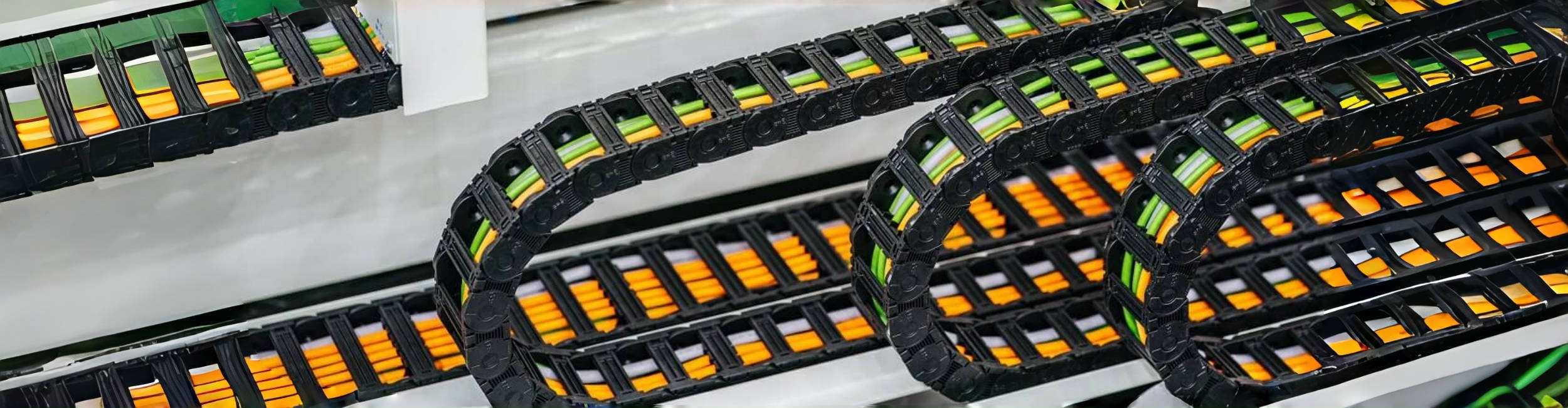
Innovations in Plastic Cable Drag Chains: What to Expect in the Future
Innovations in Plastic Cable Drag Chains: What to Expect in the Future Table of Contents 1. Introduction: The Evolution of Cable Drag Chains 2. Understanding Plastic Cable Drag Chains 2.1 Components and Functionality 2.2 Applications and Industries 3. Recent Innovations in Plastic Cable Drag Chains 3.1 Advanced Materi
2025-12-10
Innovations in Plastic Cable Drag Chains: What to Expect in the Future
Table of Contents
- 1. Introduction: The Evolution of Cable Drag Chains
- 2. Understanding Plastic Cable Drag Chains
- 3. Recent Innovations in Plastic Cable Drag Chains
- 4. Future Trends in Plastic Cable Drag Chains
- 5. The Impact of Innovations on the Industry
- 6. Challenges and Opportunities Ahead
- 7. Frequently Asked Questions (FAQs)
- 8. Conclusion: The Future is Bright for Cable Drag Chains
1. Introduction: The Evolution of Cable Drag Chains
The manufacturing landscape is an ever-evolving environment, constantly seeking efficiency and reliability in machinery. One crucial component that has significantly contributed to this evolution is the **plastic cable drag chain**. These innovative systems facilitate smooth movement, protect cables, and maintain organization in machines. As we look ahead, it's essential to explore the latest advancements and what they mean for the future of the industry.
2. Understanding Plastic Cable Drag Chains
2.1 Components and Functionality
Plastic cable drag chains consist of interconnected links that form a flexible conduit for cables and hoses. Their primary function is to protect these components from wear and tear while allowing for movement in equipment such as CNC machines, robots, and conveyor systems. Key components include:
- **Links**: The individual segments that connect to form the chain.
- **Mounting brackets**: Used to secure the chain to the machinery.
- **Cables and hoses**: The elements being protected and managed within the chain.
2.2 Applications and Industries
The versatility of plastic cable drag chains allows them to be utilized across various sectors, including:
- **Automation and Robotics**: Essential in robotic arms for seamless motion.
- **Manufacturing**: Used in CNC machines to manage power cables.
- **Construction**: Protecting cables in movable equipment like cranes.
3. Recent Innovations in Plastic Cable Drag Chains
Recent technological advancements have significantly transformed plastic cable drag chains, making them more efficient, durable, and adaptable.
3.1 Advanced Materials
Innovations in materials science have led to the development of specialized plastics that enhance the performance of drag chains. **High-performance polymers** and **composite materials** offer increased strength, flexibility, and resistance to various environmental factors, such as extreme temperatures and chemical exposure. These advancements ensure longevity and reliability.
3.2 Smart Technologies
The integration of **smart technologies** into plastic cable drag chains is revolutionizing their functionality. Sensors embedded within drag chains monitor conditions such as wear and fatigue, enabling predictive maintenance. This technology helps reduce downtime and enhances overall productivity in manufacturing processes.
3.3 Eco-Friendly Solutions
As industries increasingly emphasize sustainability, manufacturers have begun producing **biodegradable drag chains**. These innovations reduce environmental impact while maintaining performance, appealing to eco-conscious businesses. By switching to environmentally friendly materials, manufacturers can align with global sustainability goals.
4. Future Trends in Plastic Cable Drag Chains
The future holds exciting possibilities for plastic cable drag chains, driven by ongoing research and development.
4.1 Sustainability Focus
Moving forward, there will be a stronger emphasis on sustainability in the production of cable drag chains. Expect to see a rise in the use of **recycled materials** and **bioplastics**, further enhancing the eco-friendliness of these products. Manufacturers are likely to adopt practices that minimize waste and promote circular economy principles.
4.2 Automation and Integration
With the rise of Industry 4.0, automation will play a pivotal role in the design and functionality of plastic cable drag chains. Enhanced integration with **Internet of Things (IoT)** devices will allow for seamless communication between machinery and drag chains, optimizing operations and resource management.
4.3 Customization and Flexibility
As industries demand more tailored solutions, the future of plastic cable drag chains will likely include increased customization options. Manufacturers will offer a wider range of sizes, colors, and configurations, allowing businesses to select the ideal drag chain to meet specific operational needs. This flexibility will enhance efficiency and streamline production processes.
5. The Impact of Innovations on the Industry
The innovations in plastic cable drag chains have far-reaching implications for the industry. Improved performance and adaptability lead to more efficient machinery and reduced operational costs. Additionally, the incorporation of smart technologies boosts productivity by minimizing maintenance downtime. Overall, these advancements contribute to a more sustainable manufacturing ecosystem and drive competitiveness in the global market.
6. Challenges and Opportunities Ahead
While the advancements in plastic cable drag chains are promising, challenges remain. The cost of research and development for new materials and technologies can be significant. Manufacturers must balance innovation with affordability to remain competitive. However, the opportunities presented by these innovations are vast. Companies that invest in R&D can position themselves as leaders in the industry, capitalizing on the growing demand for high-performance, sustainable solutions.
7. Frequently Asked Questions (FAQs)
What are plastic cable drag chains?
Plastic cable drag chains are flexible conduits designed to protect and manage cables and hoses in machinery, ensuring smooth operation and reducing wear.
How do recent innovations improve plastic cable drag chains?
Recent innovations include the use of advanced materials, integration of smart technologies for monitoring, and the development of eco-friendly options, all enhancing performance and sustainability.
What industries benefit from plastic cable drag chains?
Industries such as automation, robotics, manufacturing, and construction utilize plastic cable drag chains to organize and protect cables in moving equipment.
What trends can we expect in the future of cable drag chains?
Expect a greater focus on sustainability, increased automation and integration with IoT, and more customization options to meet specific industry needs.
How do smart technologies impact cable drag chains?
Smart technologies enable real-time monitoring of drag chains, allowing for predictive maintenance and reducing downtime, thus enhancing productivity.
8. Conclusion: The Future is Bright for Cable Drag Chains
As we look to the future, plastic cable drag chains are poised for significant advancements driven by emerging technologies and a commitment to sustainability. With innovations in materials, smart integration, and customization, the industry can expect enhanced efficiency, reduced operational costs, and a greater focus on environmental responsibility. The continued evolution of plastic cable drag chains will not only improve manufacturing processes but also pave the way for a more sustainable and technologically advanced future.
Related News

Maximizing Efficiency with Cable Drag Chains in Manufacturing
In the realm of manufacturing and machining, the need for organized, efficient, and safe cable management is paramount. This is where cable drag chains come into play. A cable drag chain is designed to house and protect cables, hoses, and other components, allowing for smooth, unhindered movement in machinery. With a variety of designs and configurations available, they cater to specific requireme
How to Troubleshoot Issues with Your Plastic Drag Chain Table of Contents Understanding Plastic Drag Chains Common Issues with Plastic Drag Chains Identifying the Symptoms of Drag Chain Failure Step-by-Step Troubleshooting Guide Preventative Maintenance Tips for Plastic Drag Chains When to Replace Your Drag Chain Best Practices for Installing Drag Chains Conclusion
Subscribe to
Get the latest information on company products


Contact
Add: 14-2,Liandong U Valley,Manufacturing Industrial Park,Tangxia Town,Pengjiang District,Jiangmen City Guangdong Province, China