Krius Intelligent Manufacturing (Jiangmen) Co., Ltd.

The Future of Cable Drag Chains: Emerging Trends and Innovative Solutions
The Future of Cable Drag Chains: Emerging Trends and Innovative Solutions Introduction to Cable Drag Chains Cable drag chains, also known as energy chains, have become indispensable in modern manufacturing and automation. These systems are designed to protect and guide cables, hoses, and other flexible connections, ensuring smooth operation in dynamic environments. As industries evolve, so too do
2025-12-12
The Future of Cable Drag Chains: Emerging Trends and Innovative Solutions
Introduction to Cable Drag Chains
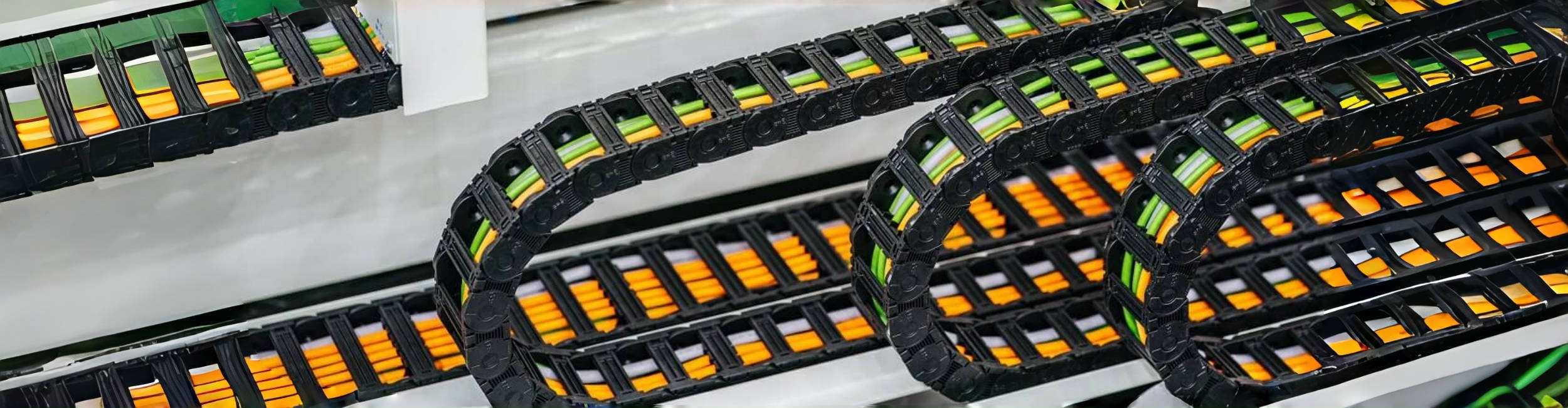
Cable drag chains, also known as energy chains, have become indispensable in modern manufacturing and automation. These systems are designed to protect and guide cables, hoses, and other flexible connections, ensuring smooth operation in dynamic environments. As industries evolve, so too do the technologies that underpin them. This article delves into the future of cable drag chains, exploring the latest trends and innovations that promise to transform their application and performance.
The Importance of Cable Drag Chains in Modern Manufacturing
In today’s fast-paced manufacturing landscape, efficiency and reliability are paramount. Cable drag chains play a crucial role in achieving these goals. They minimize wear and tear on cables and hoses, reduce downtime due to maintenance, and enhance the overall safety of machinery. As equipment becomes more complex, the demand for advanced drag chain solutions rises. We will examine how innovations in design and materials are addressing these challenges.
Understanding the Basic Structure of Cable Drag Chains
Before diving into trends and innovations, it's essential to understand the basic structure of cable drag chains. Generally composed of interlinked plastic or metal segments, their design allows for flexibility and movement while maintaining a protected environment for cables and hoses. Key components include:
- **Inner and outer links**: These provide the structural integrity necessary for movement.
- **Cable guides**: Designed to keep cables organized and prevent tangling.
- **End connectors**: Facilitate easy installation and maintenance.
With this framework, manufacturers can customize drag chains to fit specific applications, enhancing versatility.
Recent Trends in Cable Drag Chain Design
1. **Lightweight Materials**: The shift towards lightweight yet durable materials, such as high-performance plastics and composite materials, is gaining traction. These materials reduce the overall weight of the drag chain, leading to improved energy efficiency, especially in robotic applications.
2. **Modular Designs**: Modular drag chains allow for easy customization and expansion. As machinery evolves, being able to modify the drag chain without complete replacement can save time and resources.
3. **Enhanced Corrosion Resistance**: Industries such as food processing and pharmaceuticals require equipment that withstands harsh environments. The development of corrosion-resistant drag chains ensures longevity and compliance with strict hygiene regulations.
Technological Innovations Shaping the Future of Cable Drag Chains
As technology advances, so do the innovations in cable drag chains. Some of the key technological trends include:
1. **Smart Drag Chains**: The integration of IoT technology in drag chains enables real-time monitoring of cable conditions. Sensors can detect wear and potential failures, providing valuable data for predictive maintenance.
2. **Automation Compatibility**: The increasing use of automated systems necessitates drag chains that can seamlessly integrate with robotic systems. Designs that accommodate automated movements reduce friction and increase lifespan.
3. **Energy-Harvesting Capabilities**: Innovative drag chains are being developed with energy-harvesting technologies, which convert mechanical energy into electrical energy. This feature can power sensors or lights, reducing the need for external power sources.
Challenges Faced by the Industry
Despite advancements, the cable drag chain industry faces several challenges that must be addressed to sustain future growth:
1. **Rising Material Costs**: The cost of high-performance materials continues to rise, impacting the overall pricing of drag chains.
2. **Environmental Regulations**: As sustainability becomes a priority, manufacturers must innovate while adhering to stricter environmental regulations regarding material sourcing and recycling.
3. **Competition from Alternative Solutions**: Emerging technologies, such as wireless energy transmission, pose competitive threats to traditional cable drag chains. Adaptation and innovation are vital for survival.
Industry Applications of Cable Drag Chains
Cable drag chains find applications across various sectors, including:
- **Manufacturing and Automation**: Essential in CNC machines and robotic arms.
- **Automotive Industry**: Used in assembly lines for guiding electrical and hydraulic cables.
- **Aerospace**: Employed in aircraft for reliable cable management in critical systems.
Understanding the diverse applications enables stakeholders to pinpoint areas for innovation and improvement.
The Impact of Industry 4.0 on Cable Drag Chains
Industry 4.0, characterized by smart manufacturing and increased automation, significantly influences the evolution of cable drag chains. Key impacts include:
1. **Data-Driven Decision Making**: With access to real-time data, manufacturers can optimize their cable drag chain configurations based on performance metrics.
2. **Increased Customization**: As businesses adopt more tailored manufacturing processes, the flexibility of drag chains to accommodate specific needs is more important than ever.
3. **Enhanced Collaboration**: The interconnectedness of devices allows for improved communication between drag chains and other machinery, facilitating smoother operations.
Future Trends to Watch
1. **Biodegradable Materials**: As sustainability becomes increasingly important, the development of biodegradable drag chains could revolutionize the industry.
2. **3D Printing Technologies**: The potential for 3D printing in creating custom drag chains allows for rapid prototyping and reduced lead times.
3. **Advanced Manufacturing Techniques**: Techniques such as additive manufacturing could lead to more complex and efficient drag chain designs.
FAQs about Cable Drag Chains
1. What are cable drag chains used for?
Cable drag chains are used to guide and protect cables and hoses in various applications, such as robotics, CNC machining, and automotive assembly.
2. How do you choose the right cable drag chain for my application?
Selecting the right cable drag chain involves considering factors such as the environment, load capacity, movement range, and compatibility with existing equipment.
3. Are there different types of cable drag chains?
Yes, there are various types, including open and closed designs, modular systems, and specialized chains for specific environments like food processing.
4. How often should cable drag chains be inspected or maintained?
Regular inspections should be performed based on usage and environmental conditions, typically every few months, alongside routine maintenance checks.
5. Can cable drag chains be used in outdoor applications?
Yes, but it is essential to choose drag chains specifically designed for outdoor use, which often include UV-resistant materials to withstand environmental exposure.
Conclusion
The future of cable drag chains is poised for significant transformation, driven by emerging trends and innovative technologies. As industries continue to evolve, the demand for more efficient, durable, and smart solutions will only increase. By embracing these changes, manufacturers can ensure that cable drag chains remain at the forefront of modern manufacturing processes, enhancing productivity and reliability. As we look ahead, the integration of smart technologies, sustainable materials, and advanced manufacturing techniques will redefine the landscape of cable drag chains, paving the way for a more interconnected and efficient industrial future.
Related News

Maximizing Efficiency with Cable Drag Chains in Manufacturing
In the realm of manufacturing and machining, the need for organized, efficient, and safe cable management is paramount. This is where cable drag chains come into play. A cable drag chain is designed to house and protect cables, hoses, and other components, allowing for smooth, unhindered movement in machinery. With a variety of designs and configurations available, they cater to specific requireme
How to Troubleshoot Issues with Your Plastic Drag Chain Table of Contents Understanding Plastic Drag Chains Common Issues with Plastic Drag Chains Identifying the Symptoms of Drag Chain Failure Step-by-Step Troubleshooting Guide Preventative Maintenance Tips for Plastic Drag Chains When to Replace Your Drag Chain Best Practices for Installing Drag Chains Conclusion
Subscribe to
Get the latest information on company products


Contact
Add: 14-2,Liandong U Valley,Manufacturing Industrial Park,Tangxia Town,Pengjiang District,Jiangmen City Guangdong Province, China