Krius Intelligent Manufacturing (Jiangmen) Co., Ltd.

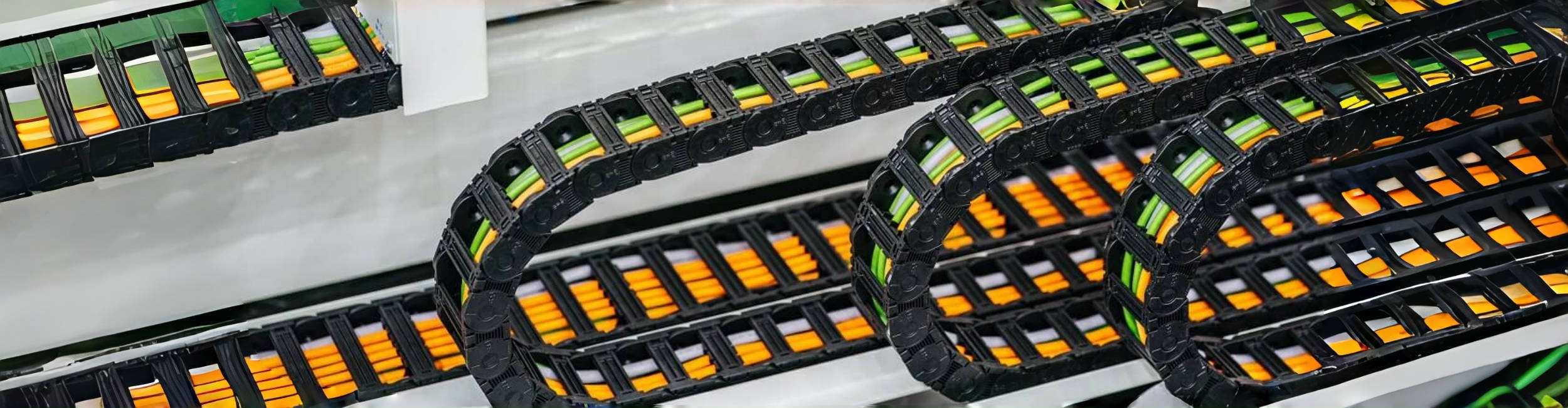
Understanding Nylon Cable Drag Chains: Essential Components for Efficient Machinery
Nylon cable drag chains, also known as energy chains or cable carriers, are essential components designed to organize and protect cable and hose assemblies in various machinery applications. These drag chains are particularly popular in manufacturing and processing environments due to their durability, flexibility, and lightweight characteristics. Made from high-quality nylon, they offer a reliabl
2025-11-29
One of the primary functions of nylon cable drag chains is to facilitate the smooth and organized movement of cables and hoses while preventing tangling and wear. In environments where machinery operates at high speeds, the risk of cable damage increases; thus, using a drag chain provides a protective barrier that significantly prolongs the lifespan of electrical and hydraulic lines. Additionally, these chains can accommodate various cable sizes and types, making them highly versatile.
The advantages of using nylon cable drag chains extend beyond protection. Their lightweight nature reduces the overall weight load on moving parts, which can enhance the speed and efficiency of machinery operations. This is particularly important in automated systems where quick and precise movements are required. Furthermore, nylon’s resistance to chemicals, abrasion, and UV radiation makes these drag chains suitable for harsh working environments, thereby ensuring they maintain functionality over time.
When selecting nylon cable drag chains for specific applications, professionals should consider factors such as the environment (temperature, chemicals, etc.), the range of motion required, and the total weight of the cables or hoses that will be housed within the chain. Ensuring proper sizing and selection can prevent premature wear and improve overall operational efficiency.
Maintenance of nylon cable drag chains is essential for maximizing performance and longevity. Regular inspections should be conducted to check for signs of wear, damage, or obstruction. Keeping the chains clean and ensuring that they are free from debris can help maintain their functionality. Additionally, lubrication, where applicable, can reduce friction and wear on the components.
In summary, nylon cable drag chains are indispensable for enhancing the efficiency and longevity of machinery in the manufacturing sector. Their ability to organize and protect cables and hoses while reducing weight makes them a preferred choice among industry professionals. By understanding their benefits and maintenance needs, users can ensure optimal performance in their operations.
Related News

Maximizing Efficiency with Cable Drag Chains in Manufacturing
In the realm of manufacturing and machining, the need for organized, efficient, and safe cable management is paramount. This is where cable drag chains come into play. A cable drag chain is designed to house and protect cables, hoses, and other components, allowing for smooth, unhindered movement in machinery. With a variety of designs and configurations available, they cater to specific requireme
How to Troubleshoot Issues with Your Plastic Drag Chain Table of Contents Understanding Plastic Drag Chains Common Issues with Plastic Drag Chains Identifying the Symptoms of Drag Chain Failure Step-by-Step Troubleshooting Guide Preventative Maintenance Tips for Plastic Drag Chains When to Replace Your Drag Chain Best Practices for Installing Drag Chains Conclusion
Subscribe to
Get the latest information on company products


Contact
Add: 14-2,Liandong U Valley,Manufacturing Industrial Park,Tangxia Town,Pengjiang District,Jiangmen City Guangdong Province, China