Krius Intelligent Manufacturing (Jiangmen) Co., Ltd.

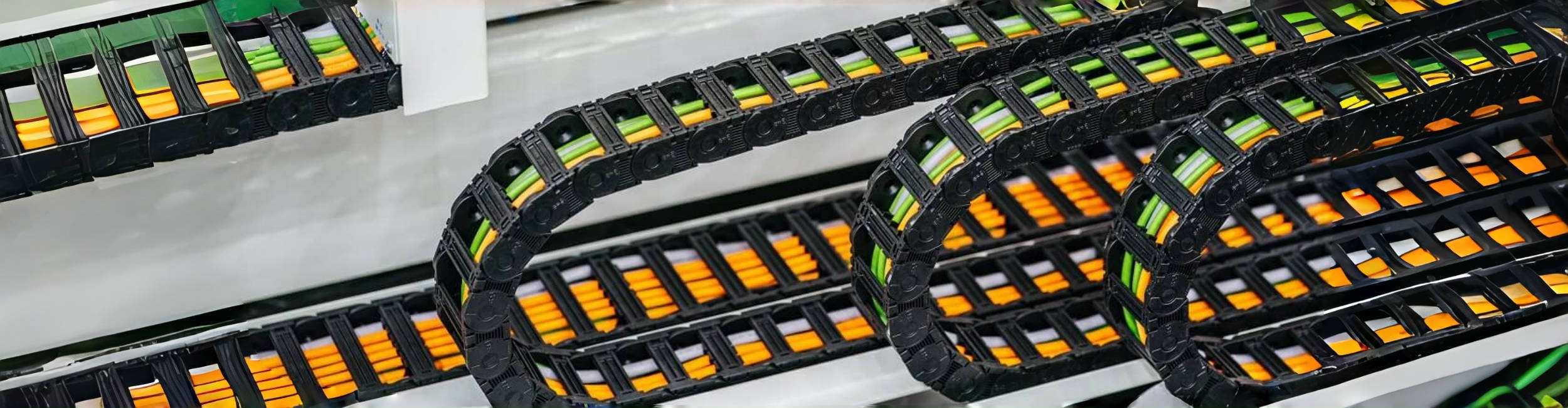
The Future of Drag Chains: Innovations in Plastic Design
The Future of Drag Chains: Innovations in Plastic Design Table of Contents Introduction to Drag Chains Understanding Drag Chains and Their Importance The Evolution of Drag Chains: A Historical Perspective Innovations in Plastic Design for Drag Chains Benefits of Plastic Drag Chains in Modern Manufacturing Applications of Drag Chains Across Industries Challenges in Drag Chain Manufac
2025-11-28
The Future of Drag Chains: Innovations in Plastic Design
Table of Contents
- Introduction to Drag Chains
- Understanding Drag Chains and Their Importance
- The Evolution of Drag Chains: A Historical Perspective
- Innovations in Plastic Design for Drag Chains
- Benefits of Plastic Drag Chains in Modern Manufacturing
- Applications of Drag Chains Across Industries
- Challenges in Drag Chain Manufacturing and Solutions
- The Future of Drag Chain Technology: Trends to Watch
- Conclusion
- Frequently Asked Questions
Introduction to Drag Chains
Drag chains are essential components in the manufacturing and machinery sectors, playing a crucial role in safeguarding cables and hoses during operation. These chains provide a pathway for electrical and hydraulic lines, enabling smooth movement and reducing wear and tear. As industries evolve, so too do the materials and designs used in drag chains, with plastic innovations leading the charge.
Understanding Drag Chains and Their Importance
Drag chains serve a fundamental purpose in various applications, from automated machinery to robotics. They are designed to prevent tangling and abrasion of cables, ensuring uninterrupted operations. Understanding their functionality not only highlights their importance but also sets the stage for appreciating the innovations shaping their future.
What Are Drag Chains?
Drag chains, also known as cable carriers or energy chains, are flexible conduits that house multiple cables and hoses. They facilitate linear motion while protecting the cables from mechanical damage, environmental factors, and wear, ensuring that systems operate smoothly.
The Role of Drag Chains in Manufacturing
In manufacturing settings, drag chains are vital for maintaining efficiency. They enable machinery to move along predetermined paths without interrupting the flow of power and data. This uninterrupted operation is critical in high-speed environments, where delays can lead to significant production losses.
The Evolution of Drag Chains: A Historical Perspective
The development of drag chains has undergone significant transformation, particularly with the introduction of advanced materials. Initially, drag chains were predominantly metal, which provided durability but lacked flexibility. Over the years, the industry has shifted towards lighter, more versatile materials, particularly plastics, that offer numerous advantages.
The Shift to Plastic
The transition to plastic drag chains began as industries sought to reduce weight and increase flexibility. Modern polymers have unique properties, such as resistance to chemicals and UV radiation, making them more suitable for various environments.
Innovations in Plastic Design for Drag Chains
Recent innovations in plastic design are redefining the capabilities of drag chains. Key developments include the use of advanced polymers, modular designs, and customizable features that cater to specific industrial needs.
Advanced Polymer Materials
Today's drag chains utilize high-performance materials, such as thermoplastics and engineering plastics. These materials offer superior strength-to-weight ratios, increased fatigue resistance, and enhanced chemical stability. For instance, the introduction of materials like nylon and polypropylene has significantly improved the operational lifespan of drag chains.
Modular and Customizable Designs
Innovations in design have led to the emergence of modular drag chains. These systems allow for easy assembly and disassembly, enabling users to customize the length and configuration based on specific applications. This adaptability enhances the usability of drag chains in diverse environments.
Benefits of Plastic Drag Chains in Modern Manufacturing
The transition to plastic drag chains offers numerous benefits that enhance manufacturing processes and overall operational efficiency.
Lightweight and Flexible
Plastic drag chains are significantly lighter than their metal counterparts. This reduction in weight contributes to increased speed and efficiency in machinery movement, providing a competitive edge in fast-paced industrial environments.
Cost-Effective Solutions
Plastic drag chains often come at a lower initial cost compared to metal options. Additionally, their durability and resistance to wear and tear lead to reduced maintenance costs and longer life spans.
Resistance to Chemicals and Environmental Factors
Modern plastic drag chains are engineered to withstand a variety of environmental challenges, including exposure to chemicals, UV radiation, and extreme temperatures. This resilience ensures that they can be utilized in various industries, including pharmaceuticals, food processing, and automotive manufacturing.
Applications of Drag Chains Across Industries
Drag chains have found applications in numerous sectors, each benefiting from their unique characteristics.
Automotive Industry
In the automotive sector, drag chains support robotic arms and conveyor systems, facilitating the efficient movement of components during assembly. Their flexibility and durability contribute to streamlined manufacturing processes.
Electronics Manufacturing
The electronics industry relies on drag chains to safeguard cables and components during assembly and testing processes. The precision and protection offered by these chains are crucial for maintaining product quality.
Food and Beverage Industry
In food processing, drag chains ensure that production lines operate smoothly while maintaining hygiene standards. The use of food-grade plastics in drag chains prevents contamination and adheres to safety regulations.
Challenges in Drag Chain Manufacturing and Solutions
While the advancements in drag chains are promising, challenges persist in their manufacturing and implementation.
Durability vs. Weight
One of the primary challenges is balancing durability with weight. While lightweight materials improve efficiency, they must also withstand the rigors of industrial environments. Ongoing research and development are focused on creating composites that offer both strength and lightness.
Customization for Specific Applications
Different industries have unique requirements that may not always align with standard drag chain designs. Providing tailored solutions requires collaboration between manufacturers and end-users, ensuring that specific needs are met without compromising quality.
The Future of Drag Chain Technology: Trends to Watch
As technology continues to evolve, the future of drag chains is poised for exciting developments.
Smart Drag Chains
The integration of IoT technology into drag chains is set to revolutionize their functionality. Smart drag chains equipped with sensors can monitor cable conditions, detect wear, and alert users to potential issues before they lead to failures.
Sustainability in Materials
As environmental concerns rise, the industry is moving towards sustainable materials that minimize ecological impact. Research into biodegradable plastics and recyclable composites is on the rise, paving the way for more environmentally friendly drag chain solutions.
Conclusion
The innovations in plastic design for drag chains are reshaping the landscape of manufacturing and machinery. With advancements in materials, customizable designs, and applications across various industries, the future holds immense promise. As we continue to embrace technology and prioritize sustainability, drag chains will play a pivotal role in enhancing operational efficiency and promoting environmental stewardship.
Frequently Asked Questions
1. What materials are commonly used in drag chains?
Plastic drag chains are typically made from advanced polymers such as nylon, polypropylene, and other engineering plastics. These materials offer superior durability and resistance to environmental factors.
2. How do drag chains enhance manufacturing efficiency?
Drag chains protect cables and hoses during operation, preventing wear and tangling. This ensures uninterrupted movement and reduces maintenance downtime, contributing to overall efficiency.
3. Can drag chains be customized for specific applications?
Yes, modern drag chains can be designed modularly, allowing for customization in length, configuration, and material based on individual industrial needs.
4. What industries benefit most from drag chain technology?
Industries such as automotive, electronics manufacturing, and food processing are among the primary sectors benefiting from the advancements in drag chain technology.
5. What future trends should we expect in drag chain technology?
Future trends may include the integration of smart technology for monitoring performance and the development of sustainable materials to reduce environmental impact.
This comprehensive overview of drag chains and their innovations in plastic design serves as a guide for understanding their evolution and potential future developments, highlighting their importance in various industrial applications.
Related News

Maximizing Efficiency with Cable Drag Chains in Manufacturing
In the realm of manufacturing and machining, the need for organized, efficient, and safe cable management is paramount. This is where cable drag chains come into play. A cable drag chain is designed to house and protect cables, hoses, and other components, allowing for smooth, unhindered movement in machinery. With a variety of designs and configurations available, they cater to specific requireme
How to Troubleshoot Issues with Your Plastic Drag Chain Table of Contents Understanding Plastic Drag Chains Common Issues with Plastic Drag Chains Identifying the Symptoms of Drag Chain Failure Step-by-Step Troubleshooting Guide Preventative Maintenance Tips for Plastic Drag Chains When to Replace Your Drag Chain Best Practices for Installing Drag Chains Conclusion
Subscribe to
Get the latest information on company products


Contact
Add: 14-2,Liandong U Valley,Manufacturing Industrial Park,Tangxia Town,Pengjiang District,Jiangmen City Guangdong Province, China