Krius Intelligent Manufacturing (Jiangmen) Co., Ltd.

Understanding Cable Drag Chains: A Key Component in Manufacturing Machinery
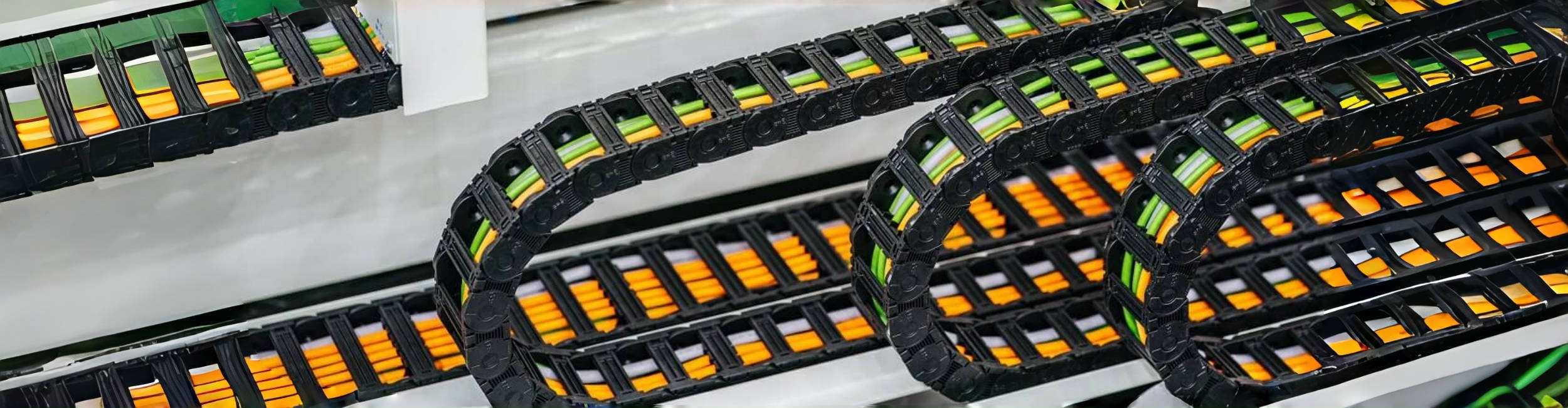
Cable drag chains, also known as energy chains or drag chains, are mechanical conduits designed to manage and protect cables and hoses that are frequently in motion. These chains are particularly vital in various manufacturing processes where machines require mobility and flexibility. By housing electrical cables, hydraulic hoses, and pneumatic lines, cable drag chains ensure that these components
2025-11-27
One of the most significant advantages of using cable drag chains is their ability to reduce the risk of damage to cables and hoses. In dynamic applications, cables can be subjected to bending, twisting, and abrasion, which can lead to premature failure. A well-designed drag chain provides a controlled pathway that limits these movements, thus extending the lifespan of the cables and reducing maintenance costs.
There are various types of cable drag chains, each tailored for specific applications. Some are designed for high-speed operations, while others might be optimized for heavy-duty environments. For instance, lighter chains made from plastic materials are suitable for applications requiring rapid movement and flexibility, whereas robust metal chains can withstand harsher conditions, including exposure to chemicals and extreme temperatures. Furthermore, some drag chains come with features like integrated cable management systems, which provide additional support and organization for the cables housed within.
The installation of cable drag chains is a crucial aspect that affects their performance. Proper installation ensures that the cables can move freely without unnecessary tension or friction. It’s essential to follow the manufacturer's guidelines for the maximum bend radius and load capacity to avoid operational issues. Additionally, regular inspections can help identify wear points and ensure that the drag chain continues to function effectively.
In conclusion, cable drag chains play a vital role in modern manufacturing machinery, enhancing both safety and efficiency. By protecting cables and hoses while allowing for their movement, these chains are integral to maintaining machine performance. When selecting a cable drag chain, consider the specific needs of your application, including the environment, load requirements, and movement patterns. Investing in the right drag chain can lead to reduced maintenance and increased productivity in your manufacturing processes.
Related News

Maximizing Efficiency with Cable Drag Chains in Manufacturing
In the realm of manufacturing and machining, the need for organized, efficient, and safe cable management is paramount. This is where cable drag chains come into play. A cable drag chain is designed to house and protect cables, hoses, and other components, allowing for smooth, unhindered movement in machinery. With a variety of designs and configurations available, they cater to specific requireme
How to Troubleshoot Issues with Your Plastic Drag Chain Table of Contents Understanding Plastic Drag Chains Common Issues with Plastic Drag Chains Identifying the Symptoms of Drag Chain Failure Step-by-Step Troubleshooting Guide Preventative Maintenance Tips for Plastic Drag Chains When to Replace Your Drag Chain Best Practices for Installing Drag Chains Conclusion
Subscribe to
Get the latest information on company products


Contact
Add: 14-2,Liandong U Valley,Manufacturing Industrial Park,Tangxia Town,Pengjiang District,Jiangmen City Guangdong Province, China