Krius Intelligent Manufacturing (Jiangmen) Co., Ltd.

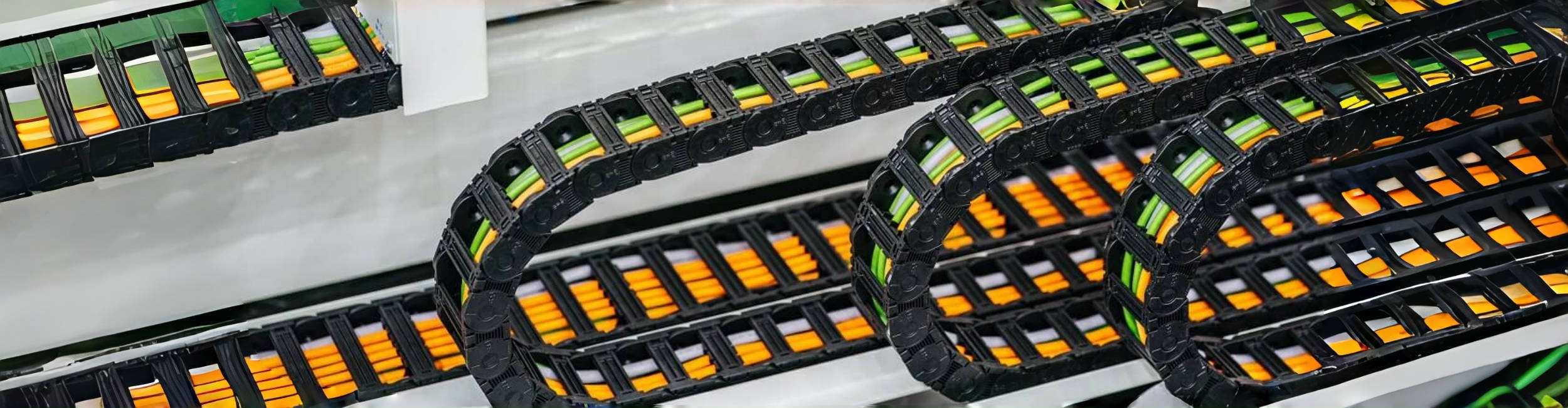
The Impact of Plastic Cable Drag Chains on Industrial Automation
The Impact of Plastic Cable Drag Chains on Industrial Automation Table of Contents Introduction to Plastic Cable Drag Chains What Are Cable Drag Chains? The Importance of Cable Drag Chains in Industrial Automation Benefits of Plastic Cable Drag Chains Applications of Plastic Drag Chains in Different Industries Material Comparison: Plastic vs. Metal Drag Chains Installation and Maint
2025-11-30
The Impact of Plastic Cable Drag Chains on Industrial Automation
Table of Contents
- Introduction to Plastic Cable Drag Chains
- What Are Cable Drag Chains?
- The Importance of Cable Drag Chains in Industrial Automation
- Benefits of Plastic Cable Drag Chains
- Applications of Plastic Drag Chains in Different Industries
- Material Comparison: Plastic vs. Metal Drag Chains
- Installation and Maintenance of Plastic Cable Drag Chains
- Future Trends in Industrial Automation and Drag Chains
- Conclusion
- FAQs
Introduction to Plastic Cable Drag Chains
In the evolving landscape of industrial automation, machinery efficiency is paramount. One component that plays a crucial role in enhancing this efficiency is the **plastic cable drag chain**. These essential systems manage the movement of cables and hoses in automated environments, providing a structured way to handle the intricate wiring of modern machines. Understanding the impact and functionality of plastic cable drag chains is vital for industries looking to optimize their operations.
What Are Cable Drag Chains?
Cable drag chains, also known as energy chains, are specialized systems designed to guide and protect moving cables and hoses. They consist of alternating links, forming a flexible channel through which cables can pass. Typically made from materials like **plastic** or **metal**, these chains are engineered to facilitate smooth movement in various industrial applications.
How Cable Drag Chains Work
The primary function of cable drag chains is to prevent tangling and abrasion of cables while allowing for seamless movement. They are mounted on machinery, allowing them to move back and forth as the equipment operates. This functionality is crucial in environments where machinery experiences significant motion, such as CNC machines, robotics, and conveyor systems.
The Importance of Cable Drag Chains in Industrial Automation
In industrial automation, efficiency and reliability are critical. Plastic cable drag chains offer numerous advantages that enhance the overall performance of automated systems. Their role extends beyond mere cable management; they significantly contribute to operational efficiency, safety, and longevity of machinery.
Enhancing Operational Efficiency
The structured environment provided by cable drag chains minimizes downtime caused by cable failure. By ensuring that cables are securely held in place and protected from wear, businesses can avoid frequent repairs and maintenance interruptions.
Increasing Safety
Safety is a top priority in any industrial setting. Proper cable management through drag chains reduces the risk of tripping hazards and cable damage, thereby creating a safer working environment for employees.
Benefits of Plastic Cable Drag Chains
Plastic cable drag chains offer several distinct advantages compared to their metal counterparts. Understanding these benefits can help industries make informed decisions about their automation needs.
Lightweight and Flexible
One of the standout features of plastic cable drag chains is their lightweight nature. This flexibility allows for easier installation and movement, making them ideal for applications where space is limited. Their reduced weight also translates to lower energy consumption during operation.
Corrosion Resistance
Plastic drag chains are naturally resistant to corrosion, which is a significant advantage in environments exposed to moisture or chemicals. This durability contributes to their longevity, reducing the need for replacements and minimizing operational costs.
Cost-Effectiveness
While metal drag chains may offer strength, plastic alternatives provide a more cost-effective solution without sacrificing performance. The initial investment in plastic chains can yield significant savings over time due to their durability and lower maintenance requirements.
Applications of Plastic Drag Chains in Different Industries
Plastic cable drag chains are utilized across various industries, proving their versatility and effectiveness. Some of the key applications include:
CNC Machining
In CNC machining, where precision and efficiency are critical, plastic cable drag chains manage the extensive wiring of machines. They ensure that cables remain organized and protected from damage, enhancing machine longevity and productivity.
Automated Manufacturing
In automated manufacturing processes, these drag chains facilitate the movement of power and control cables, allowing for seamless operation of conveyor belts, robotic arms, and assembly lines.
Packaging Industry
The packaging industry relies on various automated solutions to meet production demands. Plastic cable drag chains assist in managing the electrical and pneumatic systems that drive packaging machines, ensuring efficiency in packaging operations.
Material Handling Systems
In material handling systems, plastic drag chains play a crucial role in guiding cables and hoses, ensuring that components function correctly while minimizing wear and tear.
Material Comparison: Plastic vs. Metal Drag Chains
When comparing plastic and metal cable drag chains, several factors come into play, including cost, flexibility, and application suitability.
Strength and Durability
While metal drag chains are known for their strength, plastic chains offer sufficient durability for most applications, especially in environments that do not require the heavy-duty support of metal. The choice between materials often depends on the specific requirements of the application.
Temperature Resistance
Plastic drag chains generally have a higher resistance to a range of environmental factors, including chemicals and moisture, making them suitable for various industrial settings. However, industries dealing with extreme temperatures may find metal chains more applicable.
Installation and Maintenance
Plastic cable drag chains are typically easier to install and require less maintenance compared to metal counterparts. This ease of use contributes to their growing popularity in the automation sector.
Installation and Maintenance of Plastic Cable Drag Chains
Installing plastic cable drag chains requires careful planning and execution to ensure optimal performance. Here are some key considerations for installation and maintenance:
Installation Guidelines
1. **Determine Chain Length**: Measure the distance the drag chain must cover, allowing for movement.
2. **Choose the Right Size**: Select a chain size that accommodates the cables and hoses being used.
3. **Mounting Position**: Ensure that the drag chain is mounted securely in an area that allows for full range of motion without obstruction.
4. **Cable Arrangement**: Organize cables and hoses within the chain to prevent tangling and ensure smooth operation.
Maintenance Practices
Regular maintenance of plastic cable drag chains can extend their lifespan and improve performance:
- **Inspection**: Frequently inspect the drag chains for signs of wear or damage.
- **Cleaning**: Keep the chains free from debris that could impede movement.
- **Lubrication**: Where necessary, apply lubricant to moving parts to reduce friction and wear.
Future Trends in Industrial Automation and Drag Chains
The future of industrial automation holds exciting possibilities, particularly concerning the evolution of cable drag chains. As technology advances, we expect to see:
Smart Drag Chains
The integration of IoT technology into cable drag chains may lead to the development of smart drag chains that monitor their own condition and performance, providing valuable data for predictive maintenance.
Enhanced Materials
Research into new plastics and composites may yield even more durable and flexible drag chains, further improving performance in demanding industrial environments.
Customization and Modularity
Future trends may also see the rise of customizable and modular drag chain systems, allowing industries to tailor solutions to their specific automation needs.
Conclusion
Plastic cable drag chains have proven to be indispensable in the realm of industrial automation. Their ability to enhance efficiency, increase safety, and provide a cost-effective solution makes them a preferred choice across various industries. As technology continues to evolve, the impact of these drag chains will only grow, shaping the future of automated systems.
FAQs
1. What materials are used in plastic cable drag chains?
Plastic cable drag chains are primarily made from durable materials such as nylon, polyethylene, or other specialized plastics designed for strength and flexibility.
2. How do I determine the right size of a drag chain?
To determine the appropriate size, consider the length of the travel path, the number of cables, and their diameters. It's advisable to consult manufacturer guidelines for specific measurements.
3. Can plastic drag chains be used in outdoor applications?
Yes, many plastic drag chains are designed to be weather-resistant, making them suitable for outdoor use, but it's essential to check the manufacturer's specifications.
4. How often should I maintain plastic cable drag chains?
Regular inspections should be conducted at least once a month, with maintenance performed as needed, depending on usage and environmental conditions.
5. What are the advantages of using plastic over metal drag chains?
Plastic drag chains are lighter, resistant to corrosion, and often more cost-effective than metal chains while providing sufficient durability for most applications.
Related News

Maximizing Efficiency with Cable Drag Chains in Manufacturing
In the realm of manufacturing and machining, the need for organized, efficient, and safe cable management is paramount. This is where cable drag chains come into play. A cable drag chain is designed to house and protect cables, hoses, and other components, allowing for smooth, unhindered movement in machinery. With a variety of designs and configurations available, they cater to specific requireme
How to Troubleshoot Issues with Your Plastic Drag Chain Table of Contents Understanding Plastic Drag Chains Common Issues with Plastic Drag Chains Identifying the Symptoms of Drag Chain Failure Step-by-Step Troubleshooting Guide Preventative Maintenance Tips for Plastic Drag Chains When to Replace Your Drag Chain Best Practices for Installing Drag Chains Conclusion
Subscribe to
Get the latest information on company products


Contact
Add: 14-2,Liandong U Valley,Manufacturing Industrial Park,Tangxia Town,Pengjiang District,Jiangmen City Guangdong Province, China