Krius Intelligent Manufacturing (Jiangmen) Co., Ltd.

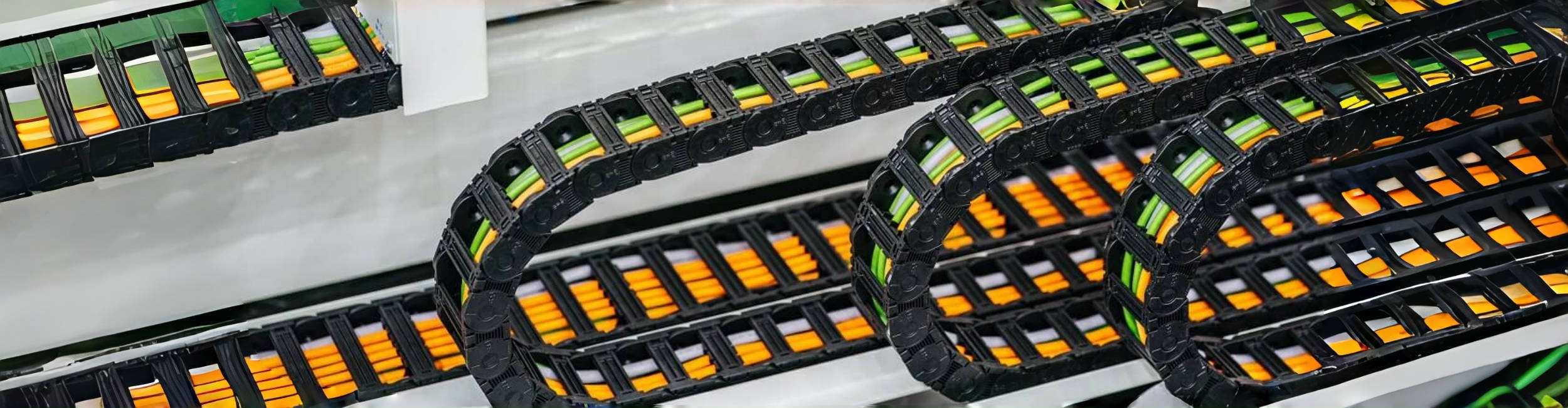
The Science Behind Nylon Drag Chains: What You Need to Know for Optimal Performance
The Science Behind Nylon Drag Chains: What You Need to Know for Optimal Performance Table of Contents 1. Introduction to Nylon Drag Chains 2. Understanding Drag Chains and Their Functionality 3. Benefits of Using Nylon Drag Chains in Manufacturing 4. Key Applications of Nylon Drag Chains 5. Components of Nylon Drag Chains 6. Choosing the Right Nylon Drag Chain 7. Maint
2025-10-27
The Science Behind Nylon Drag Chains: What You Need to Know for Optimal Performance
Table of Contents
- 1. Introduction to Nylon Drag Chains
- 2. Understanding Drag Chains and Their Functionality
- 3. Benefits of Using Nylon Drag Chains in Manufacturing
- 4. Key Applications of Nylon Drag Chains
- 5. Components of Nylon Drag Chains
- 6. Choosing the Right Nylon Drag Chain
- 7. Maintenance Tips for Nylon Drag Chains
- 8. FAQ
- 9. Conclusion
1. Introduction to Nylon Drag Chains
Nylon drag chains are pivotal components in various automated machines and systems, serving as effective conduits to protect cables, hoses, and other moving parts. By providing a structured path for movement, these drag chains contribute significantly to the efficiency and longevity of machinery.
The unique properties of nylon make these drag chains an excellent choice in environments that demand reliability and high performance. Understanding their scientific underpinnings allows for better application in industrial processes.
2. Understanding Drag Chains and Their Functionality
Drag chains, often referred to as energy chains, are designed to guide and protect flexible cables and hoses. Their primary function is to prevent tangling and damage during the motion of machinery. When machinery operates, the movement of cables and hoses can lead to wear and tear, which often results in costly downtime.
Nylon drag chains provide a solution by maintaining an organized layout. The design is characterized by interlocking links that articulate smoothly, allowing for unrestricted motion in multiple axes. This functionality is crucial in applications where space is limited and movement is complex.
The Mechanics of Drag Chain Movement
The operational efficacy of nylon drag chains is rooted in their mechanical design. Each link moves in a specific manner, which allows for:
- **Flexibility**: The links can bend in various directions without compromising the integrity of the cables.
- **Durability**: Nylon is known for its toughness and resistance to abrasion, making it ideal for industrial environments.
- **Weight Reduction**: Compared to metal alternatives, nylon drag chains are considerably lighter, reducing the overall load on machinery.
3. Benefits of Using Nylon Drag Chains in Manufacturing
Incorporating nylon drag chains into manufacturing processes offers numerous advantages:
Enhanced Protection for Cables and Hoses
Nylon drag chains shield cables and hoses from potential damage caused by friction, abrasion, and environmental factors. This protection leads to extended lifespan and reduced maintenance costs.
Improved Efficiency
By facilitating organized cable management, nylon drag chains enhance the overall efficiency of machinery. This organization minimizes the chances of mechanical failure, allowing for uninterrupted operations in manufacturing lines.
Cost-Effectiveness
While the initial investment in nylon drag chains may appear significant, the long-term savings from reduced maintenance and downtime prove to be economically advantageous.
4. Key Applications of Nylon Drag Chains
Nylon drag chains find their utility in various sectors, including:
1. CNC Machines
In CNC machines, where precise movements are critical, nylon drag chains efficiently manage the extensive wiring needed for motors and sensors.
2. Robotics
Robots often require flexibility and movement in multiple directions. Nylon drag chains provide the necessary support, keeping cables safe while allowing for fluid motion.
3. Conveyors
In conveyor systems, these drag chains help maintain the alignment of cables, ensuring smooth operations and reducing wear on machinery.
4. Packaging Machines
Packaging machines benefit from nylon drag chains by maintaining organized wiring, which enhances the speed and reliability of packaging processes.
5. Components of Nylon Drag Chains
Understanding the components that make up nylon drag chains is essential for appreciating their functionality:
Link Structure
The link structure is made up of individual plastic links that interconnect, allowing for smooth movements. The design can vary based on the specific application.
End Connectors
These are crucial for attaching drag chains to machinery. They ensure a secure fit and facilitate easy installation and removal.
Mounting Brackets
Mounting brackets provide stability and support, allowing the nylon drag chains to be securely fixed in place within a system.
Insulation and Protection Features
Some nylon drag chains come with additional insulation or protective coverings, increasing their resistance to environmental factors such as oil, dust, and temperature extremes.
6. Choosing the Right Nylon Drag Chain
Selecting the appropriate nylon drag chain involves considering several factors:
Load Capacity
Evaluate the weight and volume of cables and hoses that need to be accommodated. Ensure that the drag chain can handle the anticipated load without compromising performance.
Flexibility Requirements
Depending on the application, the degree of flexibility required may vary. Choose drag chains that offer the necessary bending capabilities.
Environmental Conditions
Consider the operational environment. If the chains will be exposed to harsh conditions, opt for models with enhanced protective features.
Size and Dimensions
Ensure that the dimensions of the drag chain align with the available space in the machinery. Proper sizing is imperative for maintaining efficient operations.
7. Maintenance Tips for Nylon Drag Chains
Regular maintenance of nylon drag chains ensures their longevity and optimal performance. Here are some crucial maintenance tips:
Regular Inspections
Conduct routine inspections to identify signs of wear and tear. Early detection of damage can prevent costly breakdowns.
Cleaning Procedures
Keep the chains clean from debris and contaminants. Use a soft brush or compressed air to remove dust and particles that may accumulate over time.
Lubrication
While nylon chains often require minimal lubrication, applying a suitable lubricant can reduce friction and enhance movement. Consult the manufacturer's guidelines for recommendations.
Proper Alignment
Ensure that the drag chains are aligned correctly. Misalignment can lead to premature wear and potential failure.
Replacement of Damaged Components
If any links or connectors show signs of damage, replace them promptly to maintain the integrity of the entire system.
8. FAQ
Q1: What materials are used to make nylon drag chains?
A1: Nylon drag chains are primarily made from high-quality nylon plastic, which provides durability and flexibility. Some models may include additional materials for enhanced properties.
Q2: How often should I inspect my nylon drag chains?
A2: Regular inspections are recommended, ideally every few months or more frequently if the machinery operates in harsh conditions.
Q3: Can nylon drag chains be used in outdoor applications?
A3: Yes, nylon drag chains can be used outdoors, but it’s essential to select models with UV resistance and other protective features.
Q4: What is the maximum load capacity of nylon drag chains?
A4: The load capacity varies by design and size. Always consult the manufacturer’s specifications for precise figures.
Q5: Are there any specific cleaning agents to avoid when maintaining nylon drag chains?
A5: Avoid harsh solvents and abrasive cleaners, as these can damage the nylon material. Use gentle, non-corrosive cleaning agents.
9. Conclusion
Understanding the science behind nylon drag chains is essential for anyone involved in manufacturing and machinery. Their unique properties and applications can enhance performance, minimize downtime, and significantly reduce maintenance costs. By choosing the right drag chain and implementing regular maintenance practices, we can ensure the smooth operation of our machinery, ultimately leading to improved productivity and efficiency in our industrial processes. Embracing the advantages of nylon drag chains is a strategic decision that pays dividends in the long run.
Related News

Maximizing Efficiency with Cable Drag Chains in Manufacturing
In the realm of manufacturing and machining, the need for organized, efficient, and safe cable management is paramount. This is where cable drag chains come into play. A cable drag chain is designed to house and protect cables, hoses, and other components, allowing for smooth, unhindered movement in machinery. With a variety of designs and configurations available, they cater to specific requireme
How to Troubleshoot Issues with Your Plastic Drag Chain Table of Contents Understanding Plastic Drag Chains Common Issues with Plastic Drag Chains Identifying the Symptoms of Drag Chain Failure Step-by-Step Troubleshooting Guide Preventative Maintenance Tips for Plastic Drag Chains When to Replace Your Drag Chain Best Practices for Installing Drag Chains Conclusion
Subscribe to
Get the latest information on company products


Contact
Add: 14-2,Liandong U Valley,Manufacturing Industrial Park,Tangxia Town,Pengjiang District,Jiangmen City Guangdong Province, China