Krius Intelligent Manufacturing (Jiangmen) Co., Ltd.

Understanding Cable Drag Chains: Essential Components for Modern Manufacturing
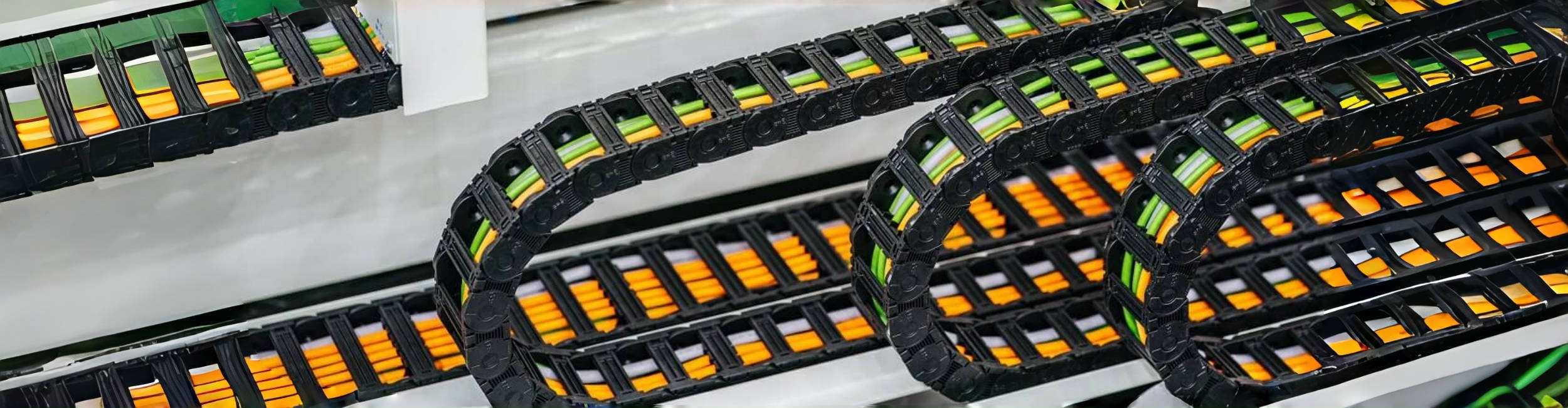
Cable drag chains, also known as energy chains or cable carriers, are engineered systems designed to guide and protect moving cables, hoses, and wires in manufacturing and industrial applications. They serve a critical function in a variety of machinery, particularly in CNC machines, robotics, and conveyor systems, where movement is constant and precise cable management is essential. One of the p
2025-10-28
One of the primary advantages of cable drag chains is their ability to prevent cable wear and tear caused by friction, bending, and environmental factors. By enclosing and guiding the cables along a designated path, these chains help maintain the integrity of the cables, significantly reducing the risk of electrical failures and downtime. This attribute is particularly beneficial in environments where equipment operates at high speeds or where space is constrained.
In addition to protecting cables, cable drag chains facilitate improved organization within machinery. When cables and hoses are neatly contained, it reduces clutter in workspaces, allowing for easier access and maintenance. Furthermore, organized systems contribute to enhanced safety by minimizing the risk of tripping hazards and accidental disconnections, which can be detrimental in a bustling manufacturing setting.
Selecting the right cable drag chain involves considering several factors, including the type and number of cables to be housed, the operating environment, and the desired range of motion. Manufacturers often provide a variety of sizes, materials, and designs tailored to specific applications. For instance, chains made from durable materials can withstand harsh conditions, while lighter chains are suitable for applications requiring rapid movement.
Another important aspect to consider is the installation process. Proper installation of cable drag chains is crucial for their effective operation. Manufacturers typically provide guidelines to ensure that the chains are configured correctly to avoid issues such as excessive tension or bending, which could lead to premature failure. Regular inspections and maintenance can further prolong the lifespan of the drag chains, ensuring optimal performance over time.
In summary, cable drag chains are indispensable in modern manufacturing, enhancing the reliability and efficiency of machinery by protecting cables and improving organization. As industries continue to evolve, the role of cable drag chains will undoubtedly remain significant, contributing to safer and more efficient operational environments. Embracing the benefits of cable drag chains can lead to improved productivity and reduced maintenance costs in manufacturing processes, making them a wise investment for any forward-thinking organization.
Related News

Maximizing Efficiency with Cable Drag Chains in Manufacturing
In the realm of manufacturing and machining, the need for organized, efficient, and safe cable management is paramount. This is where cable drag chains come into play. A cable drag chain is designed to house and protect cables, hoses, and other components, allowing for smooth, unhindered movement in machinery. With a variety of designs and configurations available, they cater to specific requireme
How to Troubleshoot Issues with Your Plastic Drag Chain Table of Contents Understanding Plastic Drag Chains Common Issues with Plastic Drag Chains Identifying the Symptoms of Drag Chain Failure Step-by-Step Troubleshooting Guide Preventative Maintenance Tips for Plastic Drag Chains When to Replace Your Drag Chain Best Practices for Installing Drag Chains Conclusion
Subscribe to
Get the latest information on company products


Contact
Add: 14-2,Liandong U Valley,Manufacturing Industrial Park,Tangxia Town,Pengjiang District,Jiangmen City Guangdong Province, China