Krius Intelligent Manufacturing (Jiangmen) Co., Ltd.

The Essential Guide to Plastic Cable Drag Chains: Enhancing Machinery Efficiency
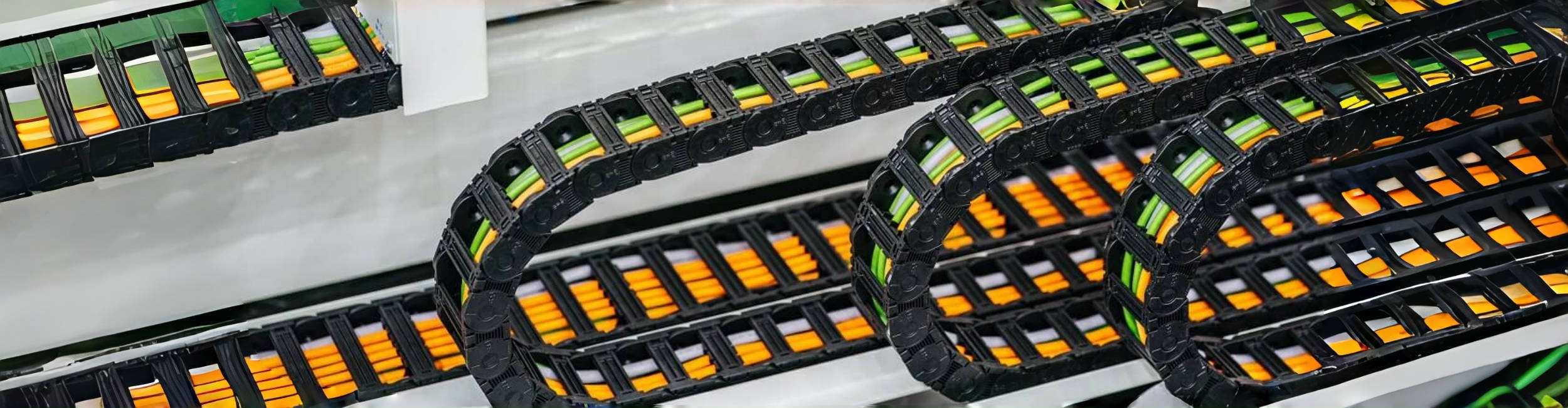
Plastic cable drag chains, often abbreviated as drag chains, are essential components in various manufacturing and machining processes. Their primary purpose is to manage and protect cables and hoses that supply power and data to moving machinery. By keeping these cables organized and secure, plastic cable drag chains enhance the efficiency and longevity of equipment, making them indispensable in
2025-10-26
One of the key advantages of plastic cable drag chains is their ability to reduce wear and tear on cables and hoses. In environments where machinery operates with continuous or repetitive motion, cables can become frayed or damaged if they are not properly managed. A well-designed drag chain allows cables to move freely while preventing them from tangling or snagging. This not only extends the life of the cables but also minimizes the risk of downtime due to cable failure.
In addition to protecting cables, plastic cable drag chains contribute to improved safety in the workplace. By keeping cables organized and out of the way, they help to reduce tripping hazards and the likelihood of accidents. This is especially crucial in busy manufacturing environments where multiple operators and machines coexist. A tidy workspace enhances overall productivity and fosters a safer working atmosphere.
The versatility of plastic cable drag chains is another reason for their popularity in the industry. They are available in various sizes and configurations, making it easy to find the right chain for specific applications. Whether for CNC machines, robotic arms, or conveyor systems, drag chains can accommodate different types of cables and hoses, providing a tailored solution for diverse operational needs.
When selecting plastic cable drag chains, it is important to consider factors such as the operating environment, the range of motion required, and the type of cables being used. This ensures that the drag chain functions effectively and lasts for an extended period. Additionally, regular maintenance checks can help identify any signs of wear or damage, allowing for timely replacements and minimizing disruptions to operations.
In conclusion, plastic cable drag chains are a vital component in the fabrication and machining industries, offering numerous benefits that enhance operational efficiency, safety, and equipment longevity. By understanding their significance and ensuring proper implementation, manufacturers can harness the full potential of these innovative solutions, ultimately leading to improved productivity and reduced operational risks.
Related News

Maximizing Efficiency with Cable Drag Chains in Manufacturing
In the realm of manufacturing and machining, the need for organized, efficient, and safe cable management is paramount. This is where cable drag chains come into play. A cable drag chain is designed to house and protect cables, hoses, and other components, allowing for smooth, unhindered movement in machinery. With a variety of designs and configurations available, they cater to specific requireme
How to Troubleshoot Issues with Your Plastic Drag Chain Table of Contents Understanding Plastic Drag Chains Common Issues with Plastic Drag Chains Identifying the Symptoms of Drag Chain Failure Step-by-Step Troubleshooting Guide Preventative Maintenance Tips for Plastic Drag Chains When to Replace Your Drag Chain Best Practices for Installing Drag Chains Conclusion
Subscribe to
Get the latest information on company products


Contact
Add: 14-2,Liandong U Valley,Manufacturing Industrial Park,Tangxia Town,Pengjiang District,Jiangmen City Guangdong Province, China