Krius Intelligent Manufacturing (Jiangmen) Co., Ltd.

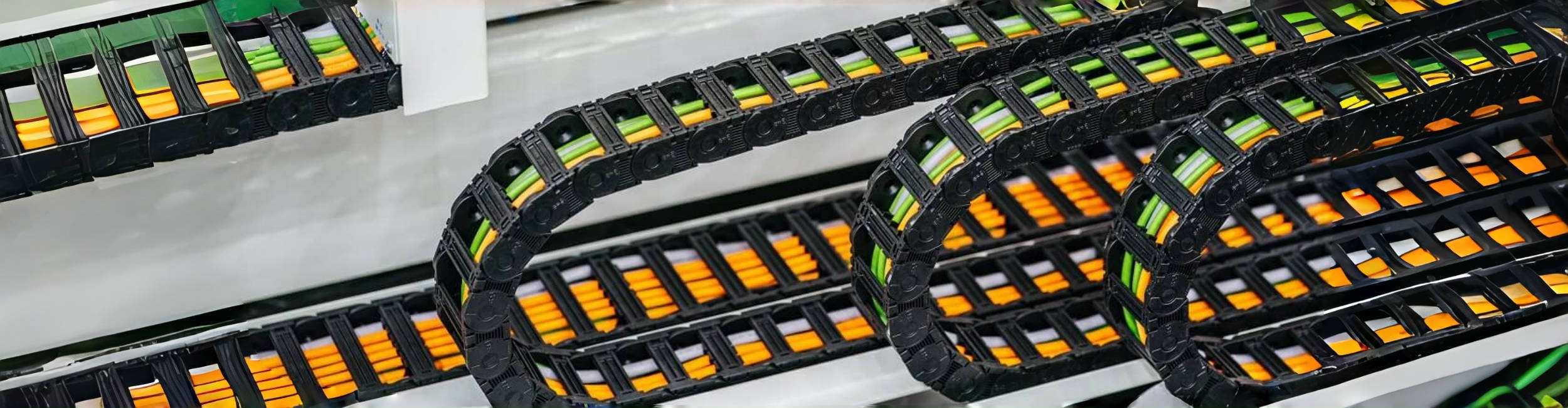
Step-by-Step Guide to Installing Nylon Cable Drag Chains in Your Machinery
Step-by-Step Guide to Installing Nylon Cable Drag Chains in Your Machinery Introduction to Nylon Cable Drag Chains Nylon cable drag chains, often referred to as cable carriers, play a crucial role in various industries by managing and protecting moving cables and hoses in machinery. These chains enable efficient movement, reduce wear and tear, and enhance the overall lifespan of your equipment
2025-10-25
Step-by-Step Guide to Installing Nylon Cable Drag Chains in Your Machinery
Introduction to Nylon Cable Drag Chains
Nylon cable drag chains, often referred to as cable carriers, play a crucial role in various industries by managing and protecting moving cables and hoses in machinery. These chains enable efficient movement, reduce wear and tear, and enhance the overall lifespan of your equipment. In this guide, we will explore the benefits of using nylon cable drag chains, the tools required for installation, and a detailed step-by-step process to ensure successful implementation.
Understanding the Benefits of Nylon Cable Drag Chains
Before diving into the installation process, it’s important to understand why nylon cable drag chains are a preferred choice for machinery applications.
1. Improved Cable Management
Nylon drag chains organize cables and hoses, preventing tangles and misrouting. This leads to a cleaner workspace and minimizes potential hazards.
2. Enhanced Durability
Constructed from high-quality nylon, these drag chains are resistant to wear, abrasion, and chemicals, making them ideal for demanding environments.
3. Noise Reduction
The design of nylon cable drag chains can significantly reduce noise levels in machinery, contributing to a more comfortable working environment.
4. Easy Maintenance
Regular maintenance is simplified with drag chains, as they provide straightforward access to cables and hoses without disassembling extensive machinery components.
Tools and Materials Required for Installation
Equipping yourself with the right tools and materials is crucial for a smooth installation process. Here is a comprehensive list:
Necessary Tools
- Screwdriver set
- Wrench set
- Cable ties
- Measuring tape
- Utility knife
- Drill with appropriate bits
- Safety goggles
- Work gloves
Materials Needed
- Nylon cable drag chains
- Mounting brackets (specific to your machinery)
- Cables and hoses (as needed)
- Cable management accessories (trays, clips, etc.)
Preparing for Installation
Proper preparation is key to a successful installation. Follow these steps to ensure everything is in order before you begin.
1. Assess Your Machinery Setup
Identify the areas where the drag chains will be installed. Consider the length and path of the cables and hoses to determine the chain size and configuration.
2. Gather Your Cables and Hoses
Collect all cables and hoses that need to be managed by the drag chains. Group them according to their function and ensure they are clean and free from damage.
3. Measure and Cut the Drag Chain
Using a measuring tape, calculate the required length of the nylon drag chain. Cut the chain to size with a utility knife or appropriate cutting tool.
Step-by-Step Installation Process
Now that you’re prepared, let’s walk through the installation process step by step.
Step 1: Secure the Mounting Brackets
Begin by securing the mounting brackets to the designated spots on your machinery. Use a drill to create holes if necessary, and ensure that the brackets are tightly fastened.
Step 2: Attach the Nylon Drag Chain
Once the brackets are in place, attach the nylon drag chain to the brackets. Ensure that it moves freely and that there is enough space for the cables and hoses to move without obstruction.
Step 3: Feed the Cables and Hoses
Carefully feed the prepared cables and hoses into the drag chain. Make sure to follow the designated path and avoid overloading the drag chain beyond its capacity.
Step 4: Secure the Cables and Hoses
Use cable ties or management accessories to secure the cables and hoses within the drag chain. Ensure that they are neatly arranged and not pinched or kinked.
Step 5: Test the Movement
With everything in place, manually test the movement of the drag chain. Check for any snags, misalignments, or obstructions that may hinder performance.
Step 6: Finalize the Installation
Once you’re satisfied with the movement, finalize the installation by securely fastening any loose ends. Double-check all connections and ensure that everything is properly aligned.
Maintenance Tips for Nylon Cable Drag Chains
Regular maintenance extends the life of your nylon cable drag chains and ensures optimal performance. Follow these tips:
1. Regular Inspections
Conduct periodic inspections to check for wear, tear, or any signs of damage. Look for frayed cables or worn-out drag chain components.
2. Clean the Chains
Keep the drag chains free from debris and dirt. A clean environment helps prevent complications and maintains efficiency.
3. Lubrication
If applicable, apply lubrication to the joints and moving parts of the drag chain to facilitate smooth operation.
4. Replace Worn Components
Promptly replace any worn or damaged components to avoid further complications. This proactive approach can save on costly repairs down the line.
Frequently Asked Questions (FAQs)
1. What is a nylon cable drag chain?
A nylon cable drag chain is a flexible carrier that organizes and protects cables and hoses during movement in machinery.
2. How do I choose the right size of drag chain?
Consider the length of your cables and hoses, the space available for installation, and the weight capacity of the drag chain.
3. Can I install nylon cable drag chains myself?
Yes, with the right tools and preparation, you can effectively install nylon cable drag chains on your machinery.
4. How often should I maintain my drag chains?
Regular maintenance should occur every few months, or more frequently if your machinery operates in demanding environments.
5. What are the signs that my drag chain needs replacement?
Look for visible wear, fraying, or any decreased performance in the movement of cables and hoses.
Conclusion
Installing nylon cable drag chains in your machinery is a straightforward process that enhances cable management, reduces wear, and improves overall operational efficiency. By following this step-by-step guide, you can ensure that your installation is successful and that your machinery runs smoothly. Regular maintenance will further extend the lifespan of your drag chains, allowing your machinery to perform at its best for years to come. Embrace the benefits of nylon cable drag chains, and take your machinery's efficiency to the next level.
Related News

Maximizing Efficiency with Cable Drag Chains in Manufacturing
In the realm of manufacturing and machining, the need for organized, efficient, and safe cable management is paramount. This is where cable drag chains come into play. A cable drag chain is designed to house and protect cables, hoses, and other components, allowing for smooth, unhindered movement in machinery. With a variety of designs and configurations available, they cater to specific requireme
How to Troubleshoot Issues with Your Plastic Drag Chain Table of Contents Understanding Plastic Drag Chains Common Issues with Plastic Drag Chains Identifying the Symptoms of Drag Chain Failure Step-by-Step Troubleshooting Guide Preventative Maintenance Tips for Plastic Drag Chains When to Replace Your Drag Chain Best Practices for Installing Drag Chains Conclusion
Subscribe to
Get the latest information on company products


Contact
Add: 14-2,Liandong U Valley,Manufacturing Industrial Park,Tangxia Town,Pengjiang District,Jiangmen City Guangdong Province, China