Krius Intelligent Manufacturing (Jiangmen) Co., Ltd.

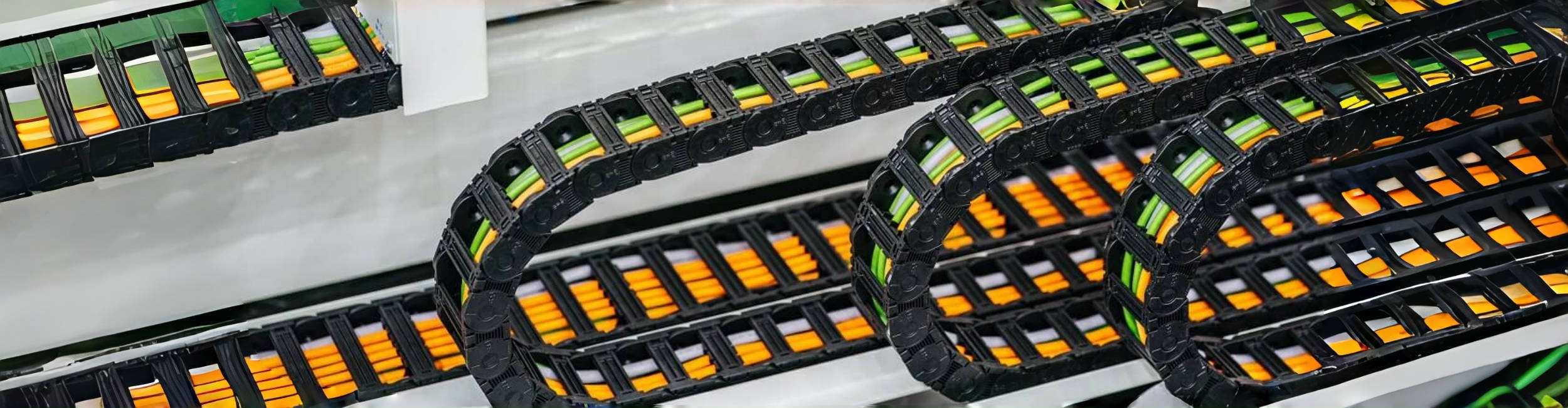
Understanding Plastic Drag Chains: Essential Components for Machinery Efficiency
Plastic drag chains, also known as energy chains or cable carriers, are essential components in the manufacturing and machining industry, particularly in machine tools. These chains are designed to organize and protect the cables and hoses that supply power and data to moving parts of machinery. As machines operate, they often have moving elements that require a constant supply of energy, which ca
2025-10-24
Constructed from durable and lightweight materials, plastic drag chains effectively safeguard cables and hoses against abrasion and wear. They help maintain a clean working environment by preventing cable clutter, which can be a significant safety hazard. Moreover, their design allows for flexibility and adaptability in various applications. Whether serving in CNC machines, robotic arms, or conveyor systems, plastic drag chains can be tailored to fit specific operational needs.
One of the primary advantages of using plastic drag chains is their ability to withstand harsh conditions. Many are built to endure high temperatures, chemicals, and UV exposure, making them suitable for various industrial applications. Additionally, plastic drag chains are resistant to corrosion, which enhances their lifespan and reduces the need for frequent replacements.
Furthermore, the installation of plastic drag chains can significantly improve the overall efficiency of machinery. By ensuring that cables and hoses are properly guided along their path, these chains minimize the risk of mechanical breakdowns caused by tangling or snagging. This not only keeps production running smoothly but also reduces maintenance costs over time.
When selecting a plastic drag chain, it is important to consider factors such as the type of cables or hoses being used, the range of motion required, and the environment in which the machinery operates. Proper sizing and configuration can maximize the benefits derived from the drag chain system.
In summary, plastic drag chains play a crucial role in modern manufacturing and machining processes. By providing an organized, efficient, and protective solution for cable management, they contribute significantly to operational efficiency and safety. Investing in high-quality plastic drag chains not only safeguards your equipment but can also lead to long-term cost savings and enhanced productivity.
Related News

Maximizing Efficiency with Cable Drag Chains in Manufacturing
In the realm of manufacturing and machining, the need for organized, efficient, and safe cable management is paramount. This is where cable drag chains come into play. A cable drag chain is designed to house and protect cables, hoses, and other components, allowing for smooth, unhindered movement in machinery. With a variety of designs and configurations available, they cater to specific requireme
How to Troubleshoot Issues with Your Plastic Drag Chain Table of Contents Understanding Plastic Drag Chains Common Issues with Plastic Drag Chains Identifying the Symptoms of Drag Chain Failure Step-by-Step Troubleshooting Guide Preventative Maintenance Tips for Plastic Drag Chains When to Replace Your Drag Chain Best Practices for Installing Drag Chains Conclusion
Subscribe to
Get the latest information on company products


Contact
Add: 14-2,Liandong U Valley,Manufacturing Industrial Park,Tangxia Town,Pengjiang District,Jiangmen City Guangdong Province, China