Krius Intelligent Manufacturing (Jiangmen) Co., Ltd.

From Design to Delivery: The Lifecycle of a Cable Drag Chain
From Design to Delivery: The Lifecycle of a Cable Drag Chain Cable drag chains, also known as energy chains or cable carriers, serve as essential components in various machinery and industrial applications. From protecting vital cables to managing movement in automated systems, these innovative solutions play a crucial role in manufacturing processes. In this article, we will delve into the lifecy
2025-10-23
From Design to Delivery: The Lifecycle of a Cable Drag Chain
Cable drag chains, also known as energy chains or cable carriers, serve as essential components in various machinery and industrial applications. From protecting vital cables to managing movement in automated systems, these innovative solutions play a crucial role in manufacturing processes. In this article, we will delve into the lifecycle of a cable drag chain, exploring every stage from design to delivery, ensuring a comprehensive understanding of their importance and functionality.
Understanding Cable Drag Chains
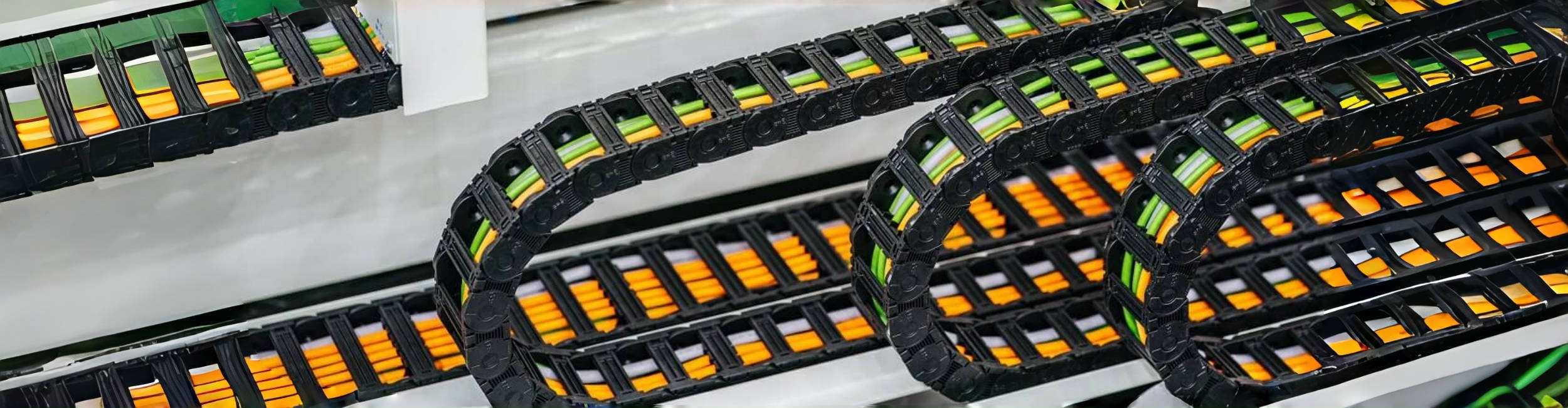
Cable drag chains are designed to guide and protect flexible cables and hoses in applications that require movement, such as CNC machines, robots, and automated equipment. Their primary purpose is to prevent tangling, wear, and damage to the cables and hoses, allowing for smooth and uninterrupted operation.
Components of a Cable Drag Chain
A typical cable drag chain consists of several key components:
1. **Links:** Interconnected segments that allow flexibility and movement.
2. **End connectors:** Components that secure the drag chain to the machine and ensure proper alignment.
3. **Internal separators:** These help organize and separate different cables or hoses within the chain.
4. **Mounting brackets:** Essential for attaching the drag chain to the machinery.
The Design Phase: Crafting a Reliable Solution
The design phase is the foundation of a successful cable drag chain. It involves detailed planning and engineering to create a product that meets specific requirements.
Identifying Requirements
Before any design work begins, it is crucial to gather information about the application and operational conditions. Key factors include:
- **Type of cables or hoses:** Understanding the size and flexibility of the cables is fundamental.
- **Operating environment:** Factors such as temperature, humidity, and potential exposure to chemicals can influence material selection.
- **Movement specifications:** The frequency and type of movement (linear, rotary, or both) will dictate the design of the drag chain.
3D Modeling and Prototyping
Once requirements are established, engineers create 3D models using advanced CAD software. This virtual representation allows for precise adjustments and simulations before physical production begins. Prototyping is often the next step, where a small batch of drag chains is produced for testing and validation.
Testing the Prototype
Prototype testing is vital for identifying potential issues and ensuring performance standards. During this phase, engineers evaluate:
- **Durability:** The ability to withstand repeated movements and stress.
- **Flexibility:** Ensuring the drag chain can navigate bends and curves without compromising functionality.
- **Cable protection:** Verifying that cables remain secure and undamaged during operation.
Manufacturing Process: Turning Design into Reality
Once the design is finalized and the prototype passes all tests, the manufacturing process begins. This involves several key steps to ensure quality and efficiency.
Material Selection
Choosing the right materials is crucial for the drag chain's performance. Common materials include:
- **Plastic:** Lightweight and resistant to corrosion, ideal for moderate-duty applications.
- **Metal:** Provides strength and durability for heavy-duty environments, often used in harsh conditions.
Production Techniques
Manufacturing cable drag chains typically involves processes such as:
- **Injection Molding:** For plastic components, this method allows for high-volume production with precise dimensions.
- **Stamping and Machining:** For metal parts, these techniques ensure tight tolerances and robust construction.
Quality Control Measures
Quality assurance is integral to the manufacturing process. Each stage undergoes rigorous inspections to guarantee that components meet design specifications and industry standards.
Assembly and Customization: Tailoring for Specific Needs
After individual components are manufactured, they are assembled into complete cable drag chains. This stage often includes customization based on client requirements.
Custom Features
Clients may request various custom features, including:
- **Specific lengths:** Tailoring the drag chain to fit specific machinery.
- **Color coding:** Utilizing different colors for easy identification of cables.
- **Additional compartments:** Adding separators for extra organization.
Delivery and Installation: Ensuring Seamless Integration
Once the cable drag chains are fully assembled and tested, they are packaged and prepared for delivery. Effective logistics are essential to ensure timely and secure transport to clients.
Installation Support
Upon arrival, installation support is often provided to ensure that the drag chains are set up correctly. This can include:
- **On-site assistance:** Technicians may visit to help with the installation process.
- **Detailed manuals:** Providing step-by-step instructions for self-installation.
Maintenance and Longevity: Keeping Your Cable Drag Chains in Top Shape
After installation, maintaining cable drag chains is vital to prolonging their lifespan and ensuring optimal performance.
Regular Inspections
Periodic inspections can help identify wear and tear before it leads to failure. Key aspects to evaluate include:
- **Cable integrity:** Checking for signs of fraying or damage.
- **Chain flexibility:** Ensuring the drag chain moves freely without restrictions.
Cleaning and Lubrication
Keeping the drag chain clean and well-lubricated is essential for smooth operation. Regular cleaning can prevent debris from accumulating and causing damage.
FAQs About Cable Drag Chains
1. What materials are cable drag chains typically made from?
Cable drag chains can be made from various materials, including plastic and metal, depending on the application requirements.
2. How do I choose the right cable drag chain for my machine?
Consider factors such as cable type, movement specifications, and environmental conditions when selecting a drag chain.
3. Can cable drag chains be customized for specific applications?
Yes, many manufacturers offer customization options, including size, color, and additional compartments.
4. How do I maintain my cable drag chain?
Regular inspections, cleaning, and lubrication can help prolong the lifespan and performance of your drag chain.
5. What are the advantages of using cable drag chains in industrial applications?
Cable drag chains offer protection for cables, reduce wear, improve organization, and enhance the overall efficiency of machinery.
Conclusion
The lifecycle of a cable drag chain is a complex journey that begins with meticulous design and extends through manufacturing, assembly, and delivery. Understanding each phase—from identifying requirements to ensuring maintenance—highlights the importance of these components in various industrial applications. By investing in high-quality cable drag chains, manufacturers can enhance the efficiency of their operations while safeguarding essential cables and hoses from potential damage. Building a reliable system begins with selecting the right cable drag chain tailored to your specific needs, ensuring that your equipment operates smoothly and effectively for years to come.
Related News

Maximizing Efficiency with Cable Drag Chains in Manufacturing
In the realm of manufacturing and machining, the need for organized, efficient, and safe cable management is paramount. This is where cable drag chains come into play. A cable drag chain is designed to house and protect cables, hoses, and other components, allowing for smooth, unhindered movement in machinery. With a variety of designs and configurations available, they cater to specific requireme
How to Troubleshoot Issues with Your Plastic Drag Chain Table of Contents Understanding Plastic Drag Chains Common Issues with Plastic Drag Chains Identifying the Symptoms of Drag Chain Failure Step-by-Step Troubleshooting Guide Preventative Maintenance Tips for Plastic Drag Chains When to Replace Your Drag Chain Best Practices for Installing Drag Chains Conclusion
Subscribe to
Get the latest information on company products


Contact
Add: 14-2,Liandong U Valley,Manufacturing Industrial Park,Tangxia Town,Pengjiang District,Jiangmen City Guangdong Province, China