Krius Intelligent Manufacturing (Jiangmen) Co., Ltd.

The Essential Guide to Plastic Drag Chains in Manufacturing and Machining
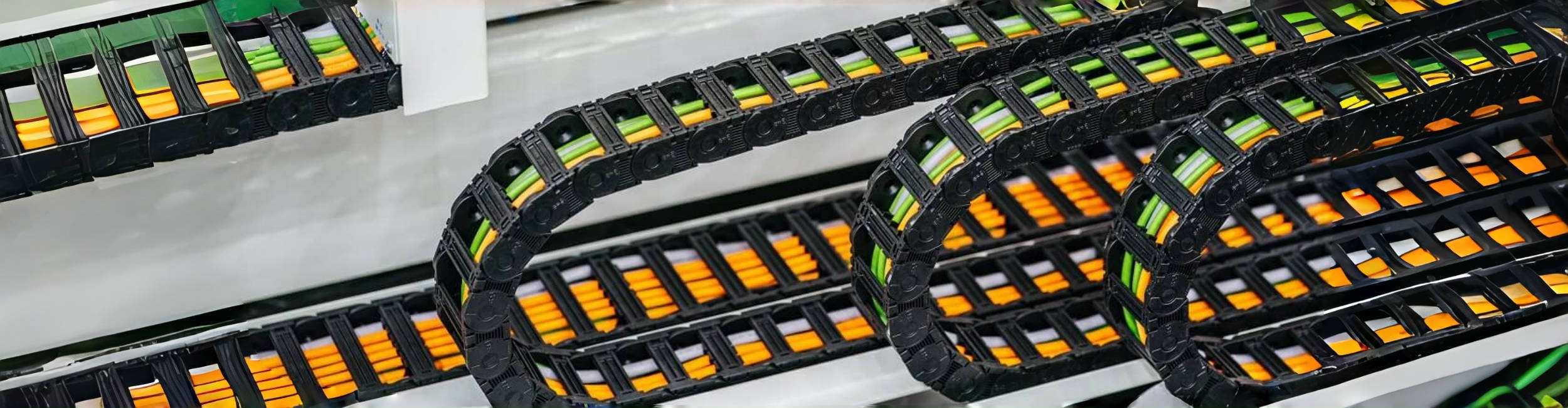
Plastic drag chains, also known as cable carriers or energy chains, are essential components in various manufacturing and machining processes. These chains are designed to manage and protect cables and hoses, ensuring a smooth and organized operation within machinery. By providing a pathway for cables, they prevent tangling, abrasion, and wear, which can significantly extend the life of sensitive
2025-09-24
One of the primary advantages of plastic drag chains is their lightweight nature. Unlike metal alternatives, plastic drag chains are easier to install and handle, reducing overall labor costs and installation times. Additionally, they are resistant to corrosion, making them suitable for diverse environments, including those exposed to moisture or chemicals.
When selecting a plastic drag chain, it’s important to consider the specific requirements of your application. Factors such as the type of movement (linear or rotational), the maximum bending radius, and the environmental conditions play a critical role in determining the right choice. For instance, some chains are designed for high-speed movements, while others may be better suited for heavy-duty applications.
Moreover, plastic drag chains come in various sizes and styles, allowing for customization based on the number of cables or hoses that need to be accommodated. Many manufacturers offer modular systems, enabling users to easily expand or modify their drag chain configurations as needed. This adaptability ensures that businesses can respond to changing technological demands without significant overhaul of their systems.
In addition to their physical benefits, plastic drag chains can also contribute to improved safety in the workplace. By organizing cables and hoses, they reduce the risk of accidents caused by tripping hazards or equipment interference. Furthermore, a well-structured system minimizes wear and tear on cables, reducing the likelihood of electrical failures or hydraulic leaks that could lead to hazardous situations.
Maintenance of plastic drag chains is relatively straightforward. Regular inspections of the chains for wear, tear, and proper alignment can prevent unexpected downtimes and costly repairs. Keeping the drag chain clean and free from debris is also essential to prolong its lifespan and ensure optimal performance.
In conclusion, plastic drag chains play a vital role in the manufacturing and machining sectors by enhancing organizational efficiency, protecting valuable cables, and improving workplace safety. By choosing the right type of plastic drag chain and implementing a proper maintenance routine, businesses can optimize their operations and reduce long-term costs associated with equipment failure. Whether for CNC machines, robotic arms, or conveyor systems, plastic drag chains are an integral component for modern manufacturing processes.
Related News

Maximizing Efficiency with Cable Drag Chains in Manufacturing
In the realm of manufacturing and machining, the need for organized, efficient, and safe cable management is paramount. This is where cable drag chains come into play. A cable drag chain is designed to house and protect cables, hoses, and other components, allowing for smooth, unhindered movement in machinery. With a variety of designs and configurations available, they cater to specific requireme
How to Troubleshoot Issues with Your Plastic Drag Chain Table of Contents Understanding Plastic Drag Chains Common Issues with Plastic Drag Chains Identifying the Symptoms of Drag Chain Failure Step-by-Step Troubleshooting Guide Preventative Maintenance Tips for Plastic Drag Chains When to Replace Your Drag Chain Best Practices for Installing Drag Chains Conclusion
Subscribe to
Get the latest information on company products


Contact
Add: 14-2,Liandong U Valley,Manufacturing Industrial Park,Tangxia Town,Pengjiang District,Jiangmen City Guangdong Province, China