Krius Intelligent Manufacturing (Jiangmen) Co., Ltd.

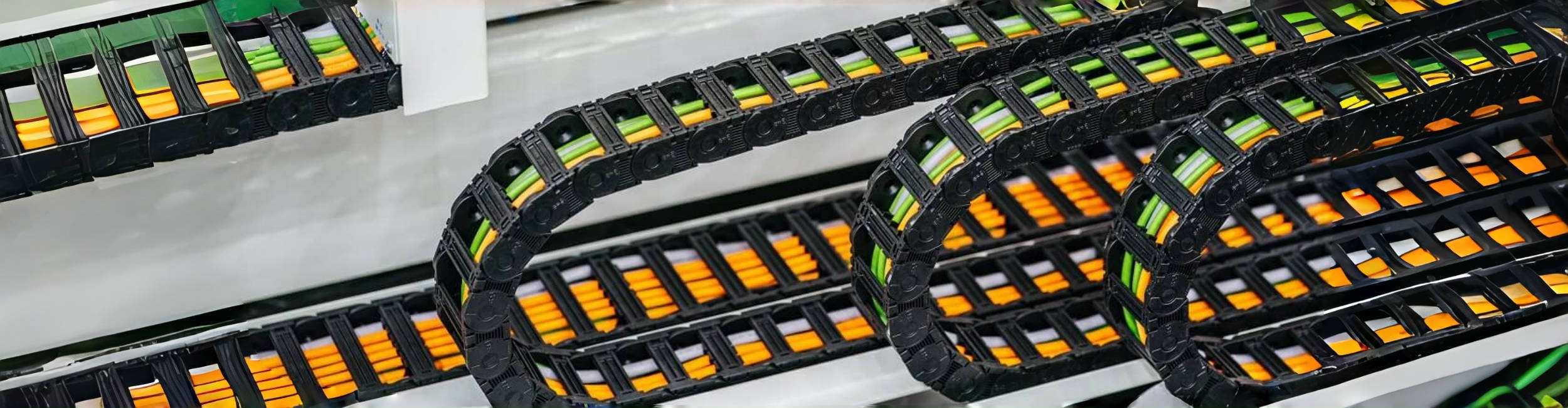
How to Maintain Nylon Cable Drag Chains for Longevity and Efficiency
How to Maintain Nylon Cable Drag Chains for Longevity and Efficiency Table of Contents Introduction Understanding Nylon Cable Drag Chains Importance of Maintenance Regular Inspection of Nylon Cable Drag Chains Effective Cleaning Techniques for Nylon Drag Chains Lubrication Essentials for Optimal Performance Indicators for Replacement Best Practices for Usage and Operation Common
2025-09-25
How to Maintain Nylon Cable Drag Chains for Longevity and Efficiency
Table of Contents
- Introduction
- Understanding Nylon Cable Drag Chains
- Importance of Maintenance
- Regular Inspection of Nylon Cable Drag Chains
- Effective Cleaning Techniques for Nylon Drag Chains
- Lubrication Essentials for Optimal Performance
- Indicators for Replacement
- Best Practices for Usage and Operation
- Common Mistakes to Avoid
- Frequently Asked Questions
- Conclusion
Introduction
Maintaining nylon cable drag chains is crucial for any manufacturing operation that relies on machinery for productivity. These components are designed to protect cables and hoses from wear and damage while providing mobility and flexibility. However, without proper maintenance, even the highest quality nylon cable drag chains can degrade over time, leading to inefficiencies and costly downtimes. This article provides a comprehensive guide to maintaining nylon cable drag chains, ensuring their longevity and operational efficiency.
Understanding Nylon Cable Drag Chains
Nylon cable drag chains consist of interconnected links that form a flexible channel for guiding cables and hoses. Made from durable nylon, these chains are lightweight yet robust, making them ideal for various industrial applications. They are commonly used in CNC machines, robotics, and automated equipment where consistent and reliable cable management is essential.
In addition to protecting cables from abrasion, drag chains ensure that movements remain smooth and organized, minimizing the risk of cable tangling and damage. Understanding the functionality and construction of these chains is imperative for effective maintenance.
Importance of Maintenance
Regular maintenance of nylon cable drag chains is vital for several reasons:
1. **Preventing Downtime**: Routine maintenance can identify potential issues before they escalate, reducing unexpected machine downtimes.
2. **Cost Efficiency**: Regular upkeep helps avoid costly replacements caused by neglect and wear.
3. **Operational Efficiency**: Well-maintained drag chains ensure that machinery operates smoothly, boosting productivity and performance.
By prioritizing maintenance, businesses can ensure that their operations run efficiently while prolonging the lifespan of their equipment.
Regular Inspection of Nylon Cable Drag Chains
Conducting **regular inspections** is the first step in maintaining nylon cable drag chains. Here’s a breakdown of what to look for during inspections:
Visual Checks
- **Inspect for Wear and Tear**: Look for signs of fraying or broken links in the chain.
- **Check for Misalignment**: Ensure that the chain runs smoothly without any twists or kinks.
- **Cable Condition**: Examine the cables within the chain for any signs of damage or abrasion.
Functional Testing
- **Movement Testing**: Manually move the chain to check its flexibility and ensure there are no obstructions.
- **Noise Assessment**: Listen for unusual sounds during operation, as they may indicate issues within the chain or associated machinery.
Incorporating these checks into a routine maintenance schedule can significantly enhance the lifespan of your nylon cable drag chains.
Effective Cleaning Techniques for Nylon Drag Chains
Cleaning nylon cable drag chains is fundamental to maintaining their performance. Here are some effective cleaning techniques:
Dry Cleaning Methods
- **Compressed Air**: Use compressed air to blow out dust and debris from the chain, especially in hard-to-reach areas.
- **Soft Brushes**: Employ soft-bristle brushes to gently scrub the exterior of the chain and remove contaminants.
Wet Cleaning Techniques
- **Mild Detergents**: Use a solution of mild detergent and water to clean the chains. Avoid abrasive cleaners that may damage the nylon.
- **Rinsing**: Rinse thoroughly with clean water to remove any soap residue.
Ensure that the chains are completely dry before reassembly and operation to prevent moisture-related issues.
Lubrication Essentials for Optimal Performance
Proper lubrication is crucial for the smooth operation of nylon cable drag chains. Here’s how to approach it effectively:
Choosing the Right Lubricant
- **Synthetic Oils**: Opt for synthetic oils that are designed for high-performance applications and have excellent film-forming properties.
Application Techniques
- **Even Distribution**: Apply lubricant evenly across the chain, ensuring all moving parts are adequately coated.
- **Frequency of Lubrication**: Establish a lubrication schedule based on the frequency of use and environmental conditions.
Regular lubrication reduces friction and wear, helping to maintain the integrity of the drag chains.
Indicators for Replacement
Even with diligent maintenance, there comes a time when replacement is necessary. Look for these indicators:
1. **Severe Wear**: Noticeable fraying or cracking in the chain material.
2. **Frequent Breakdowns**: Increased frequency of mechanical failures related to the drag chains.
3. **Compromised Performance**: Reduced mobility or increased noise during operation.
Timely replacement of damaged or worn components ensures uninterrupted operation and efficiency.
Best Practices for Usage and Operation
To maximize the lifespan and efficiency of nylon cable drag chains, consider these best practices:
Correct Installation
- **Follow Manufacturer Guidelines**: Always adhere to the installation instructions provided by the manufacturer to avoid misalignment and stress.
Minimize Overloading
- **Weight Restrictions**: Ensure that the cables and hoses within the drag chain do not exceed recommended weight limits.
Environmental Considerations
- **Protection from Contaminants**: Position the drag chains in environments where they are shielded from excessive dirt, dust, and chemicals.
Implementing these best practices will help in maintaining efficiency while extending the lifespan of your equipment.
Common Mistakes to Avoid
Awareness of common maintenance mistakes can greatly enhance the effectiveness of your upkeep strategies. Here are mistakes to avoid:
1. **Neglecting Regular Inspections**: Skipping scheduled inspections can lead to undetected issues worsening over time.
2. **Using Abrasive Cleaners**: Harsh chemicals can damage the nylon, leading to premature wear.
3. **Overlubrication**: Applying too much lubricant can attract dust and debris, creating a buildup that hampers performance.
By recognizing and avoiding these pitfalls, you can ensure a more effective maintenance routine.
Frequently Asked Questions
1. How often should I inspect my nylon cable drag chains?
Regular inspections should be conducted at least once a month, but more frequent checks may be necessary in high-use environments.
2. What is the best way to clean nylon cable drag chains?
Using compressed air and soft brushes for dry cleaning, followed by a mild detergent solution for wet cleaning, is recommended.
3. How can I tell if my drag chain needs lubrication?
If you notice increased friction, unusual noises, or sluggish movement during operation, it's time to lubricate.
4. Can I use any lubricant for nylon cable drag chains?
No, always choose a lubricant specifically designed for nylon to ensure compatibility and performance.
5. What factors contribute to the wear of nylon cable drag chains?
Factors include environmental conditions, load weight, frequency of movement, and lack of regular maintenance.
Conclusion
Maintaining nylon cable drag chains is essential for ensuring the longevity and efficiency of your manufacturing processes. By implementing regular inspections, effective cleaning techniques, proper lubrication, and adhering to best practices, you can significantly enhance the performance and lifespan of these critical components. Remember that recognition of wear indicators and avoiding common maintenance mistakes is equally important. By prioritizing maintenance, your business can achieve smoother operations, reduce downtime, and optimize productivity. Invest the time and effort into maintaining your nylon cable drag chains, and you will reap the benefits in operational efficiency and cost savings.
Related News

Maximizing Efficiency with Cable Drag Chains in Manufacturing
In the realm of manufacturing and machining, the need for organized, efficient, and safe cable management is paramount. This is where cable drag chains come into play. A cable drag chain is designed to house and protect cables, hoses, and other components, allowing for smooth, unhindered movement in machinery. With a variety of designs and configurations available, they cater to specific requireme
How to Troubleshoot Issues with Your Plastic Drag Chain Table of Contents Understanding Plastic Drag Chains Common Issues with Plastic Drag Chains Identifying the Symptoms of Drag Chain Failure Step-by-Step Troubleshooting Guide Preventative Maintenance Tips for Plastic Drag Chains When to Replace Your Drag Chain Best Practices for Installing Drag Chains Conclusion
Subscribe to
Get the latest information on company products


Contact
Add: 14-2,Liandong U Valley,Manufacturing Industrial Park,Tangxia Town,Pengjiang District,Jiangmen City Guangdong Province, China