Krius Intelligent Manufacturing (Jiangmen) Co., Ltd.

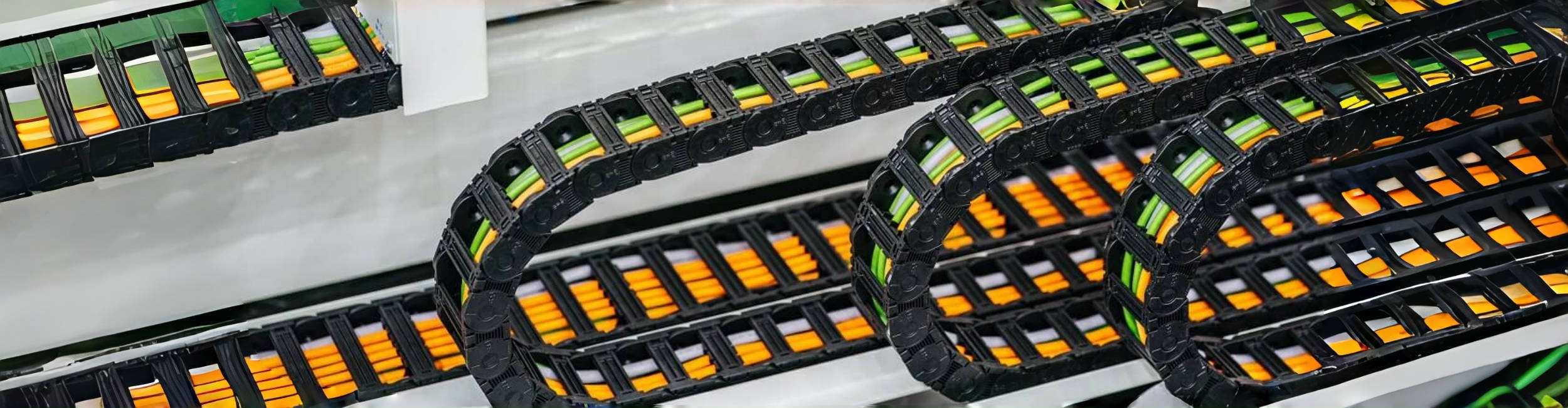
Mastering the Installation Process of Cable Drag Chains: A Comprehensive Guide
Mastering the Installation Process of Cable Drag Chains: A Comprehensive Guide Table of Contents 1. Introduction to Cable Drag Chains 2. Why Use Cable Drag Chains? 3. Components of Cable Drag Chains 3.1 Chain Structure 3.2 Drag Chain Accessories 4. Preparing for Installation 4.1 Tools and Materials Needed 4.2 Safety Precautions 5. Step-by-Step Installation Process 5.1 Mounting the Drag Chain 5.2 R
2025-09-23
Mastering the Installation Process of Cable Drag Chains: A Comprehensive Guide
Table of Contents
1. Introduction to Cable Drag Chains
2. Why Use Cable Drag Chains?
3. Components of Cable Drag Chains
3.1 Chain Structure
3.2 Drag Chain Accessories
4. Preparing for Installation
4.1 Tools and Materials Needed
4.2 Safety Precautions
5. Step-by-Step Installation Process
5.1 Mounting the Drag Chain
5.2 Routing the Cables
5.3 Securing the Assembly
6. Common Installation Challenges and Solutions
7. Maintenance Tips for Cable Drag Chains
8. Conclusion
9. FAQs
1. Introduction to Cable Drag Chains
Cable drag chains, also known as cable carriers, play a critical role in various industrial applications. These systems efficiently manage and protect cables and hoses in automated machinery and equipment. Understanding the installation process of cable drag chains can significantly enhance operational efficiency and reduce downtime.
2. Why Use Cable Drag Chains?
Cable drag chains are essential for several reasons:
- **Protection**: They shield cables and hoses from wear and tear, ensuring longevity.
- **Organization**: They keep cables organized and prevent tangling, which can lead to operational disruptions.
- **Flexibility**: They allow for dynamic movement in machinery without compromising the integrity of the cables.
3. Components of Cable Drag Chains
To install cable drag chains effectively, it's crucial to understand their components.
3.1 Chain Structure
The chain structure consists of links that interconnect to form a flexible pathway for cables. The design varies based on application requirements, including sizes, materials, and bending radii.
3.2 Drag Chain Accessories
Accessories such as connectors, mounting brackets, and end terminals are integral to the installation process. These components provide stability and help secure the chain in place.
4. Preparing for Installation
Before diving into the installation, some preparatory steps are necessary.
4.1 Tools and Materials Needed
Gather the following tools and materials:
- Cable drag chain
- Mounting brackets
- Screws and anchors
- Cable ties
- Measuring tape
- Screwdriver
- Safety gloves and goggles
4.2 Safety Precautions
Safety should always come first. Ensure to wear appropriate personal protective equipment (PPE) and follow lockout/tagout (LOTO) procedures to prevent accidental machinery activation.
5. Step-by-Step Installation Process
Now we will detail the installation process, making it easier to follow.
5.1 Mounting the Drag Chain
Begin by determining the optimal location for the drag chain. The mounting brackets should be securely attached to a stable surface that can handle the weight of the chain and cables. Use the measured distances to ensure that the drag chain is aligned correctly during installation.
1. **Position the brackets**: Mark the locations for the mounting brackets based on the chain length.
2. **Secure the brackets**: Use screws and anchors to attach the brackets firmly to the surface.
3. **Attach the chain**: Once the brackets are in place, connect the chain to the brackets, ensuring it moves freely without obstruction.
5.2 Routing the Cables
With the drag chain mounted, the next step is to route the cables through the chain.
1. **Prepare the cables**: Determine the length of each cable required for your application, leaving some slack for movement.
2. **Insert cables**: Carefully insert the cables into the drag chain links. Ensure that the cables are organized and not twisted.
3. **Secure the cables**: Use cable ties to secure the cables within the chain, preventing movement that could lead to wear.
5.3 Securing the Assembly
Ensure everything is in place and secure.
1. **Check for movement**: Manually operate the chain to ensure it moves freely. If there are any obstructions, adjust accordingly.
2. **Tighten all connections**: Revisit all screws and fasteners, ensuring they are tight and secure.
6. Common Installation Challenges and Solutions
While installing cable drag chains can be straightforward, challenges can arise.
- **Chain not moving freely**: This can occur if the chain is too tight against its mounting. Adjust the brackets accordingly.
- **Cables getting pinched**: Ensure that cables are routed correctly, and there is enough slack for movement.
- **Difficulty in securing connections**: If screws are not holding, consider using lock washers to provide additional friction and stability.
7. Maintenance Tips for Cable Drag Chains
To ensure longevity and efficiency, regular maintenance is essential.
- **Inspect regularly**: Check for wear and tear on the cables and the chain itself.
- **Keep clean**: Remove debris and contaminants that can affect movement.
- **Lubricate moving parts**: Use appropriate lubricants to ensure smooth operation.
8. Conclusion
Understanding the installation process of cable drag chains is essential for manufacturers and operators. By focusing on the preparation, installation steps, and maintenance, you can enhance the reliability of your machinery and extend the lifespan of your cables. Following the steps outlined in this guide will facilitate a smooth installation and optimize operational efficiency.
9. FAQs
What are cable drag chains used for?
Cable drag chains are used to manage and protect cables and hoses in moving machinery, preventing tangling and wear.
How do I choose the right cable drag chain?
The right cable drag chain depends on factors like the type and number of cables, the bending radius required, and the environmental conditions.
Can I install cable drag chains myself?
Yes, with the right tools and knowledge, you can install cable drag chains. Follow the steps outlined in this guide for best results.
What materials are cable drag chains made from?
Cable drag chains can be made from a variety of materials, including plastic and metal, depending on the application and environment.
How often should I perform maintenance on cable drag chains?
Regular inspections should be conducted monthly, with more thorough maintenance performed quarterly or as needed based on usage conditions.
This comprehensive guide will enhance your understanding and streamline the installation process of cable drag chains, ensuring your operations remain efficient and effective.
Related News

Maximizing Efficiency with Cable Drag Chains in Manufacturing
In the realm of manufacturing and machining, the need for organized, efficient, and safe cable management is paramount. This is where cable drag chains come into play. A cable drag chain is designed to house and protect cables, hoses, and other components, allowing for smooth, unhindered movement in machinery. With a variety of designs and configurations available, they cater to specific requireme
How to Troubleshoot Issues with Your Plastic Drag Chain Table of Contents Understanding Plastic Drag Chains Common Issues with Plastic Drag Chains Identifying the Symptoms of Drag Chain Failure Step-by-Step Troubleshooting Guide Preventative Maintenance Tips for Plastic Drag Chains When to Replace Your Drag Chain Best Practices for Installing Drag Chains Conclusion
Subscribe to
Get the latest information on company products


Contact
Add: 14-2,Liandong U Valley,Manufacturing Industrial Park,Tangxia Town,Pengjiang District,Jiangmen City Guangdong Province, China