Krius Intelligent Manufacturing (Jiangmen) Co., Ltd.

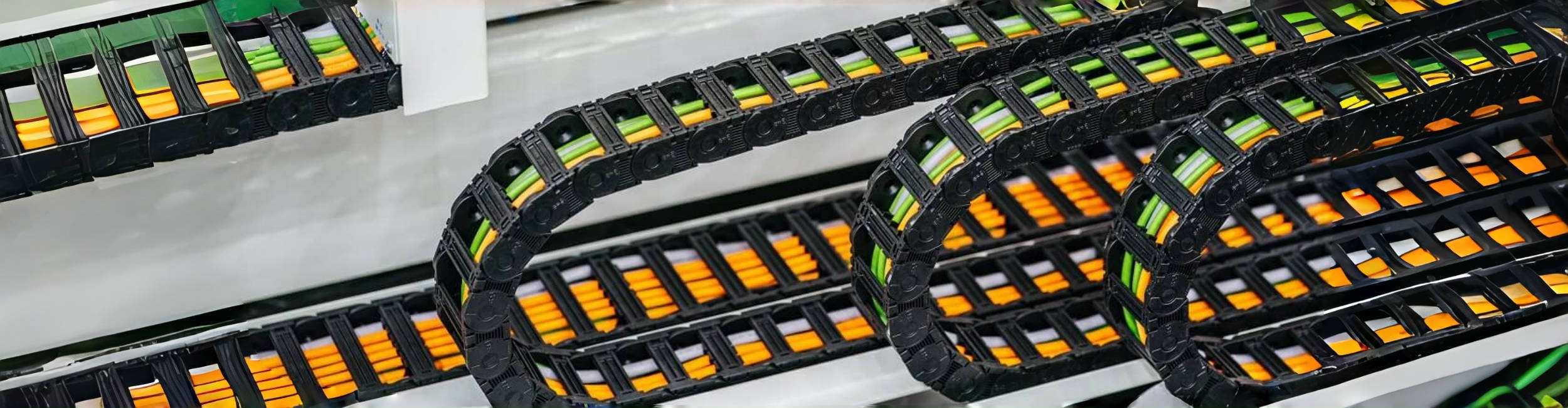
Understanding the Manufacturing Process of Plastic Drag Chains: A Comprehensive Guide
Understanding the Manufacturing Process of Plastic Drag Chains Table of Contents 1. Introduction to Plastic Drag Chains 2. What Are Plastic Drag Chains? 3. Importance of Plastic Drag Chains in Manufacturing 4. Materials Used in Manufacturing Plastic Drag Chains 5. The Manufacturing Process of Plastic Drag Chains 6. Key Design Considerations for Plastic Drag Chains 7. Applications of
2025-09-19
Understanding the Manufacturing Process of Plastic Drag Chains
Table of Contents
- 1. Introduction to Plastic Drag Chains
- 2. What Are Plastic Drag Chains?
- 3. Importance of Plastic Drag Chains in Manufacturing
- 4. Materials Used in Manufacturing Plastic Drag Chains
- 5. The Manufacturing Process of Plastic Drag Chains
- 6. Key Design Considerations for Plastic Drag Chains
- 7. Applications of Plastic Drag Chains
- 8. Future Trends in Drag Chain Manufacturing
- 9. Frequently Asked Questions
- 10. Conclusion
1. Introduction to Plastic Drag Chains
The manufacturing process of plastic drag chains plays a crucial role in various industries. These chains, designed to guide and protect moving cables and hoses, are essential components in automated systems, robotics, and machinery. Understanding the intricacies of their production not only helps manufacturers ensure quality but also enhances performance in applications.
2. What Are Plastic Drag Chains?
Plastic drag chains, often referred to as energy chains, are flexible tubes that manage and organize cables and hoses in automated systems. They provide a protective conduit, preventing wear and tear while allowing for smooth movement. Made from durable materials like nylon or polypropylene, they come in various shapes and sizes to accommodate different applications.
Benefits of Using Plastic Drag Chains
The advantages of using plastic drag chains include:
- **Protection**: They shield cables and hoses from mechanical damage.
- **Flexibility**: Their design allows for movement in multiple directions.
- **Durability**: High-quality materials ensure longevity under demanding conditions.
- **Ease of Maintenance**: They simplify cable management, reducing downtime.
3. Importance of Plastic Drag Chains in Manufacturing
Plastic drag chains are vital in enhancing operational efficiency and safety in manufacturing environments. Their application ensures that cables and hoses remain organized, reducing the risk of entanglement and damage. In automated systems, where precision is key, drag chains play a pivotal role in maintaining the integrity and function of machinery.
Impact on Production Efficiency
Integrating plastic drag chains into production lines minimizes interruptions caused by cable failures. This results in reduced maintenance costs and increased overall efficiency.
4. Materials Used in Manufacturing Plastic Drag Chains
The choice of materials in manufacturing plastic drag chains significantly impacts their performance and suitability for various applications. Common materials include:
Nylon
Nylon is favored for its strength, durability, and resistance to wear. Its lightweight nature also contributes to the overall efficiency of drag chain systems.
Polypropylene
Polypropylene is known for its excellent chemical resistance and low moisture absorption. This makes it ideal for environments where exposure to chemicals or moisture is a concern.
Composite Materials
Some manufacturers utilize composite materials to enhance the properties of traditional plastics. These composites can offer improved strength, flexibility, and resistance to environmental factors.
5. The Manufacturing Process of Plastic Drag Chains
The manufacturing of plastic drag chains involves several critical steps, each designed to ensure the final product meets stringent quality standards.
Step 1: Material Selection
The process begins with selecting the appropriate material based on the intended application. Factors such as environmental conditions, load requirements, and flexibility are considered.
Step 2: Design and Prototyping
Once the material is chosen, engineers create detailed designs and prototypes. Advanced software tools, such as CAD, are utilized to simulate the drag chain's performance under various conditions.
Step 3: Injection Molding
The primary manufacturing method for plastic drag chains is injection molding. In this step, raw plastic pellets are heated until they melt and are then injected into molds that shape the drag chains. This process allows for high precision and consistency across large production runs.
Step 4: Cooling and Solidification
After injection, the molds are cooled to solidify the plastic. This step is crucial for ensuring that the drag chains retain their shape and structural integrity.
Step 5: Quality Control
Quality control measures are implemented at multiple stages of production. This includes testing the drag chains for strength, flexibility, and resistance to environmental factors. Any defects are addressed before the products are packaged.
6. Key Design Considerations for Plastic Drag Chains
When designing plastic drag chains, several factors must be taken into account to ensure optimal performance:
Chain Size and Configuration
The size of the drag chain needs to correspond to the dimensions and quantity of cables or hoses it will accommodate. Configurations can vary based on application specifics.
Weight Capacity
Understanding the weight of the cables and hoses that will be managed by the drag chain is crucial. Ensuring the chain can handle the load without sagging or breaking is paramount.
Environmental Resistance
Plastic drag chains may be exposed to harsh chemicals, extreme temperatures, or moisture. Selecting materials and designs that withstand these conditions is essential for longevity.
7. Applications of Plastic Drag Chains
Plastic drag chains find applications across a range of industries, including:
Manufacturing and Automation
In automated manufacturing settings, drag chains manage cables and hoses associated with robotic arms, conveyor systems, and CNC machines.
Automotive Industry
Drag chains are utilized in automotive assembly lines where they guide electrical and pneumatic hoses, ensuring seamless operation.
Aerospace
In the aerospace sector, the need for reliability and precision makes plastic drag chains essential for managing various aircraft systems.
8. Future Trends in Drag Chain Manufacturing
As technology evolves, so does the manufacturing of plastic drag chains. Key trends to watch for include:
Smart Drag Chains
Integrating sensors into drag chains can provide real-time monitoring of performance, alerting users to potential failures before they occur.
Sustainability
With increasing emphasis on environmental responsibility, manufacturers are exploring biodegradable plastics and recycling initiatives to lessen their ecological footprint.
9. Frequently Asked Questions
What is the lifespan of plastic drag chains?
The lifespan varies based on material, application, and environmental conditions, but high-quality drag chains can last several years with proper care.
Can plastic drag chains be customized?
Yes, many manufacturers offer customization options to meet specific requirements regarding size, shape, and material.
What are the key benefits of using plastic drag chains over metal chains?
Plastic drag chains are lighter, resistant to corrosion and chemicals, quieter in operation, and generally require less maintenance than metal alternatives.
How do I choose the right drag chain for my application?
Consider factors such as load capacity, environmental conditions, and flexibility requirements. Consulting with a manufacturer can also provide tailored advice.
Are plastic drag chains resistant to UV light?
Many plastic drag chains are formulated to resist UV light, but it’s essential to verify this with the manufacturer based on your specific application needs.
10. Conclusion
In conclusion, understanding the manufacturing process of plastic drag chains is essential for anyone involved in fields that rely on automated systems. As we have explored, these components play a critical role in enhancing efficiency, safety, and durability in various applications. By focusing on quality materials and innovative manufacturing methods, we can ensure that plastic drag chains meet the demands of modern industry while paving the way for future advancements. Embracing these insights will not only enhance operational effectiveness but also contribute to the ongoing evolution of manufacturing technologies.
Related News

Maximizing Efficiency with Cable Drag Chains in Manufacturing
In the realm of manufacturing and machining, the need for organized, efficient, and safe cable management is paramount. This is where cable drag chains come into play. A cable drag chain is designed to house and protect cables, hoses, and other components, allowing for smooth, unhindered movement in machinery. With a variety of designs and configurations available, they cater to specific requireme
How to Troubleshoot Issues with Your Plastic Drag Chain Table of Contents Understanding Plastic Drag Chains Common Issues with Plastic Drag Chains Identifying the Symptoms of Drag Chain Failure Step-by-Step Troubleshooting Guide Preventative Maintenance Tips for Plastic Drag Chains When to Replace Your Drag Chain Best Practices for Installing Drag Chains Conclusion
Subscribe to
Get the latest information on company products


Contact
Add: 14-2,Liandong U Valley,Manufacturing Industrial Park,Tangxia Town,Pengjiang District,Jiangmen City Guangdong Province, China