Krius Intelligent Manufacturing (Jiangmen) Co., Ltd.

Understanding Nylon Cable Drag Chains: Essential Components for Efficient Machinery
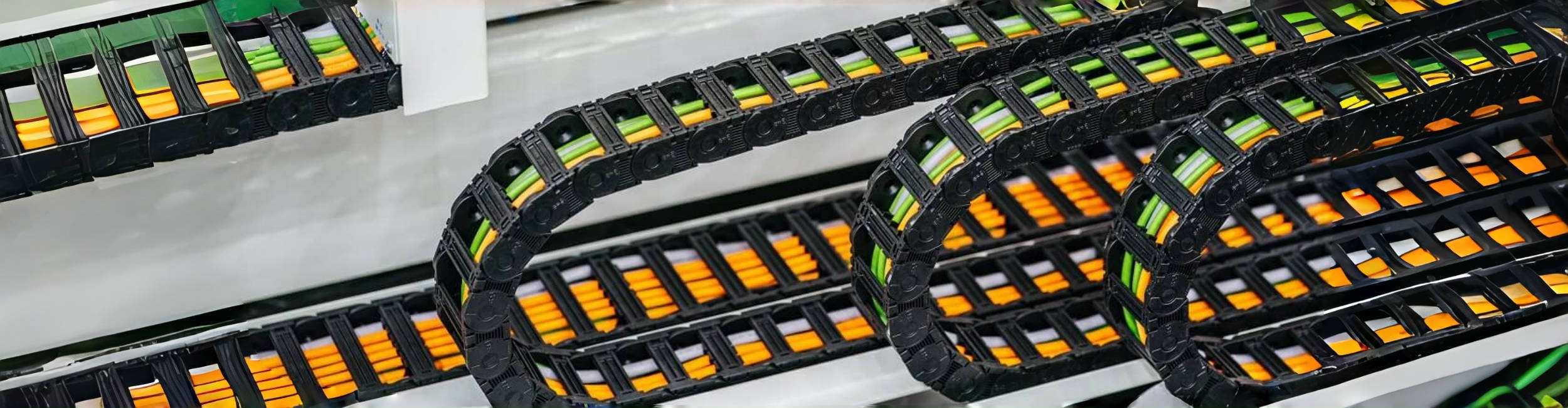
Nylon cable drag chains, also referred to as cable carriers, are critical components in various manufacturing and machining applications. These chains are designed to guide and protect cables and hoses in dynamic environments, where movement and flexibility are necessary. They help prevent tangling and damage to cables while maintaining a clean and organized workspace. One of the primary materials
2025-09-20
One of the primary materials used in the manufacturing of drag chains is nylon. Nylon is favored for its lightweight, durable, and flexible properties, making it an ideal choice for environments subject to constant movement. The resilience of nylon allows these drag chains to withstand wear and tear, reducing the need for frequent replacements and maintenance. This durability contributes to longer service life and operational efficiency, which are crucial in high-demand manufacturing settings.
The design of nylon cable drag chains includes a series of interlocking links that create a protective channel for cables and hoses. This design enables smooth movement as machinery operates, allowing for free motion without the risk of cables snagging or becoming damaged. The versatility of these chains means they can be customized to fit various applications and sizes, accommodating different types of machinery and operational requirements.
Another significant advantage of nylon cable drag chains is their resistance to chemicals and environmental factors. In manufacturing settings where exposure to oils, solvents, or other harsh substances is common, nylon chains can provide reliable protection for electrical and hydraulic systems. This resistance helps maintain the integrity of the cables and contributes to overall safety in the workplace.
In addition to their protective qualities, nylon cable drag chains also enhance efficiency in machinery operations. By organizing cables in a structured manner, they help reduce the risk of downtime caused by cable-related issues. When cables are kept in order, it simplifies maintenance tasks, saving time and effort for operators.
Furthermore, using nylon cable drag chains can improve aesthetics in the workspace. A well-organized setup not only looks professional but also contributes to a safer working environment, as it minimizes the risks associated with loose or tangled cables.
In summary, nylon cable drag chains are essential components in manufacturing and machining environments, providing crucial support for cable management. Their durability, flexibility, and chemical resistance make them ideal for a wide range of applications. By ensuring that cables and hoses are protected and organized, these drag chains enhance operational efficiency and safety, proving to be a valuable investment for any manufacturing operation.
Related News

Maximizing Efficiency with Cable Drag Chains in Manufacturing
In the realm of manufacturing and machining, the need for organized, efficient, and safe cable management is paramount. This is where cable drag chains come into play. A cable drag chain is designed to house and protect cables, hoses, and other components, allowing for smooth, unhindered movement in machinery. With a variety of designs and configurations available, they cater to specific requireme
How to Troubleshoot Issues with Your Plastic Drag Chain Table of Contents Understanding Plastic Drag Chains Common Issues with Plastic Drag Chains Identifying the Symptoms of Drag Chain Failure Step-by-Step Troubleshooting Guide Preventative Maintenance Tips for Plastic Drag Chains When to Replace Your Drag Chain Best Practices for Installing Drag Chains Conclusion
Subscribe to
Get the latest information on company products


Contact
Add: 14-2,Liandong U Valley,Manufacturing Industrial Park,Tangxia Town,Pengjiang District,Jiangmen City Guangdong Province, China