Krius Intelligent Manufacturing (Jiangmen) Co., Ltd.

Understanding Cable Drag Chains: Essential Components for Efficient Machinery
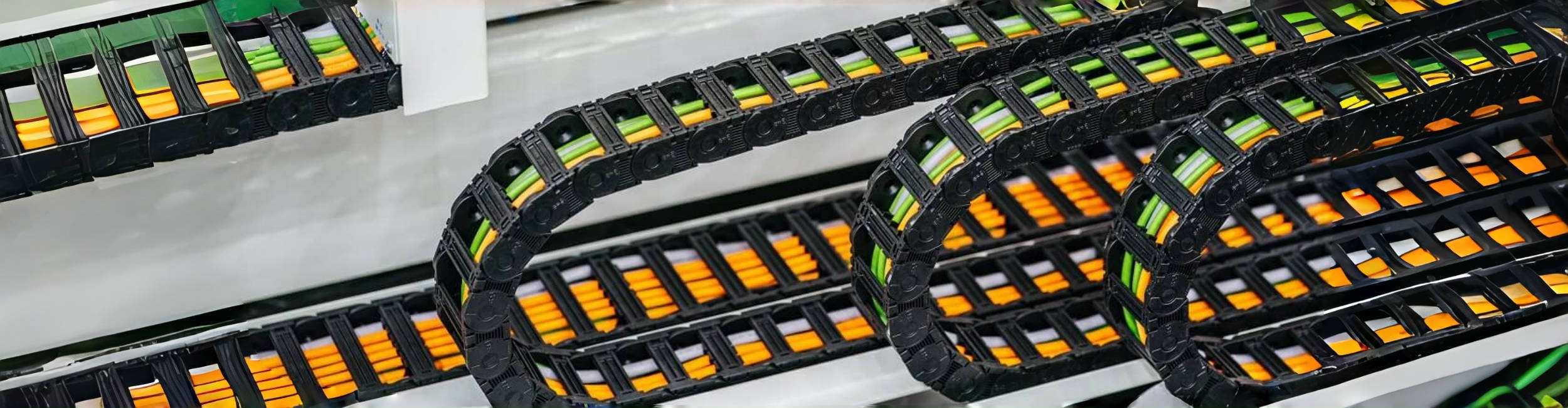
Cable drag chains, also known as energy chains, play a pivotal role in the manufacturing and machining sectors, particularly as essential accessories for machine tools. Their primary function is to manage and protect flexible cables, hoses, and other moving components, ensuring they remain organized and operational during machine movements. This article explores the importance of cable drag chains
2025-09-18
One of the most significant benefits of using a cable drag chain is the reduction of wear and tear on cables and hoses. In environments where machinery is in constant motion, cables can easily become tangled or damaged. Cable drag chains provide a structured pathway, preventing kinks and excessive bending that could lead to premature failure of components. This not only prolongs the lifespan of the cables but also minimizes downtime and maintenance costs associated with repairs or replacements.
In addition to protecting cables, drag chains enhance the overall safety of the working environment. By maintaining an organized arrangement of wires and hoses, they help to prevent tripping hazards and other safety issues that could arise from loose cables. This organization is particularly critical in high-traffic areas within manufacturing facilities, where machinery operates at high speeds.
Cable drag chains are highly versatile and can be customized to fit various applications. They are available in different materials, sizes, and designs, allowing professionals to select the right type for their specific machinery and operational requirements. Whether in CNC machining, robotics, or automated manufacturing systems, the right drag chain can significantly improve efficiency by ensuring that power and data transmission remains uninterrupted, even in dynamic environments.
Furthermore, the installation of cable drag chains can optimize the layout of machinery by allowing for more flexible designs. They enable manufacturers to create more compact setups, as the chains can guide cables through tight spaces without compromising functionality. This adaptability can lead to innovative machinery configurations that maximize productivity and space efficiency.
In conclusion, cable drag chains are indispensable components in the manufacturing and machining industry. Their ability to protect cables, enhance safety, and optimize machinery layout makes them an essential investment for any operation focused on efficiency and reliability. By incorporating the right drag chain solutions, professionals can ensure their equipment runs smoothly and effectively, contributing to a more productive working environment.
Related News

Maximizing Efficiency with Cable Drag Chains in Manufacturing
In the realm of manufacturing and machining, the need for organized, efficient, and safe cable management is paramount. This is where cable drag chains come into play. A cable drag chain is designed to house and protect cables, hoses, and other components, allowing for smooth, unhindered movement in machinery. With a variety of designs and configurations available, they cater to specific requireme
How to Troubleshoot Issues with Your Plastic Drag Chain Table of Contents Understanding Plastic Drag Chains Common Issues with Plastic Drag Chains Identifying the Symptoms of Drag Chain Failure Step-by-Step Troubleshooting Guide Preventative Maintenance Tips for Plastic Drag Chains When to Replace Your Drag Chain Best Practices for Installing Drag Chains Conclusion
Subscribe to
Get the latest information on company products


Contact
Add: 14-2,Liandong U Valley,Manufacturing Industrial Park,Tangxia Town,Pengjiang District,Jiangmen City Guangdong Province, China