Krius Intelligent Manufacturing (Jiangmen) Co., Ltd.

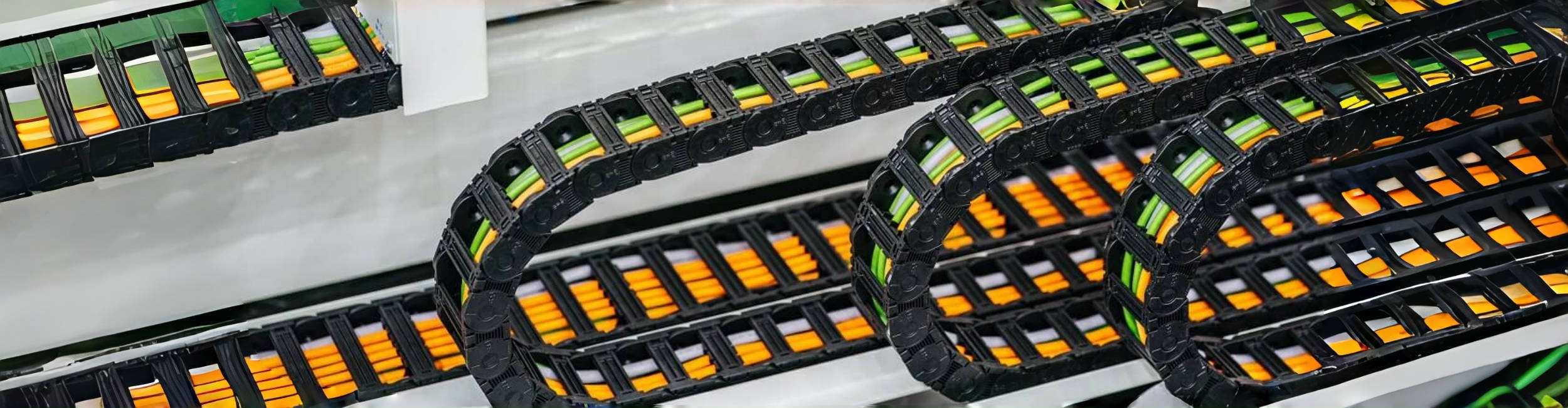
Comparing Nylon Cable Drag Chains to Other Materials: A Comprehensive Guide for Informed Selection
Comparing Nylon Cable Drag Chains to Other Materials: What You Need to Know Table of Contents 1. Introduction to Cable Drag Chains 2. What Are Nylon Cable Drag Chains? 3. Advantages of Nylon Cable Drag Chains 4. Comparing Cable Drag Chain Materials 4.1 Steel Drag Chains 4.2 Plastic Drag Chains 4.3 Aluminum Drag Chains
2025-09-15
Comparing Nylon Cable Drag Chains to Other Materials: What You Need to Know
Table of Contents
- 1. Introduction to Cable Drag Chains
- 2. What Are Nylon Cable Drag Chains?
- 3. Advantages of Nylon Cable Drag Chains
- 4. Comparing Cable Drag Chain Materials
- 5. Applications of Nylon Cable Drag Chains
- 6. Key Considerations When Choosing Materials
- 7. Environmental Impact of Different Materials
- 8. Conclusion
1. Introduction to Cable Drag Chains
Cable drag chains, also known as energy chains or cable carriers, are integral to many industrial applications. They serve as protective conduits for cables, hoses, and other intricate assemblies while allowing for mobility and flexibility in dynamic environments. The material chosen for these drag chains significantly affects performance, durability, and overall efficiency.
2. What Are Nylon Cable Drag Chains?
Nylon cable drag chains are engineered from high-quality nylon, a thermoplastic polymer renowned for its impressive strength, flexibility, and resistance to wear. These chains are specifically designed to provide excellent protection and guidance for cables and hoses in various machinery, making them suitable for both automated and manual processes.
3. Advantages of Nylon Cable Drag Chains
When comparing Nylon cable drag chains to other materials, it's essential to highlight their numerous advantages:
3.1 Durability and Longevity
Nylon is known for its high tensile strength and resistance to impact, making Nylon cable drag chains exceptionally durable. They can withstand extensive wear and tear, which is vital in demanding industrial environments.
3.2 Lightweight Design
The lightweight nature of Nylon chains reduces the overall load on machinery, allowing for faster movement and improved efficiency. This characteristic is particularly beneficial in applications requiring rapid cable retraction and extension.
3.3 Resistance to Chemicals
Nylon has inherent resistance to a wide range of chemicals, oils, and lubricants, ensuring reliability in environments where exposure to such substances is common.
3.4 Low Friction Coefficient
With a low coefficient of friction, Nylon drag chains minimize wear on cables and hoses, prolonging their lifespan and reducing the need for frequent replacements.
3.5 Aesthetic Appeal
Nylon drag chains can be produced in various colors and designs, providing an aesthetic advantage in applications where visual appeal is essential.
4. Comparing Cable Drag Chain Materials
While Nylon cable drag chains offer many advantages, other materials are also commonly used. Here, we compare Nylon with steel, plastic, and aluminum drag chains.
4.1 Steel Drag Chains
Steel drag chains are exceptionally robust and capable of handling heavy loads. However, they are more prone to corrosion and require regular maintenance. Their weight can also be a drawback in dynamic applications.
4.2 Plastic Drag Chains
Plastic drag chains offer a lightweight alternative to metals. They are typically less expensive but may lack the durability required for high-stress applications. Their resistance to chemicals is generally good, but not as comprehensive as Nylon.
4.3 Aluminum Drag Chains
Aluminum chains strike a balance between weight and strength. They are lightweight yet sturdy, making them suitable for numerous applications. However, they are often more costly than Nylon and can be susceptible to corrosion without proper treatment.
5. Applications of Nylon Cable Drag Chains
Nylon cable drag chains have a myriad of applications across various industries. Some notable examples include:
5.1 Robotics and Automation
In robotics, Nylon drag chains streamline movements by organizing electrical wiring and air hoses, enabling seamless operation.
5.2 CNC Machinery
CNC machines benefit from Nylon chains that protect cables from wear as the machinery moves, ensuring high precision and reliability.
5.3 Material Handling Systems
In conveyor systems, Nylon cable drag chains provide a robust solution for managing electrical and pneumatic lines effectively.
6. Key Considerations When Choosing Materials
Selecting the right material for cable drag chains requires careful consideration. Here are some critical factors to evaluate:
6.1 Load Requirements
Understanding the weight and type of cables being carried is essential. Heavier loads may necessitate stronger materials like steel, while lighter applications may benefit from Nylon.
6.2 Environmental Factors
Consider the operational environment. Exposure to chemicals, extreme temperatures, or moisture can influence material choice.
6.3 Cost vs. Performance
While cost is a crucial factor, balancing performance and longevity against initial investment is vital to ensure a favorable return on investment.
6.4 Maintenance Needs
Different materials have varied maintenance requirements. Opting for materials that require minimal upkeep can lead to reduced operational interruptions.
7. Environmental Impact of Different Materials
Each material used in cable drag chains has distinct environmental implications. Nylon, while durable, is a synthetic polymer that poses disposal challenges. However, its longevity means that products last longer, potentially reducing waste.
Metal drag chains can be recycled, but their production process is energy-intensive. Understanding the lifecycle of these materials aids in making more environmentally sound choices.
8. Conclusion
In summary, when comparing Nylon cable drag chains to other materials, it becomes apparent that Nylon offers unique benefits such as durability, lightweight design, and resistance to chemicals. However, the choice of material should ultimately depend on the specific application requirements and environmental factors. By carefully weighing these considerations, manufacturers can make informed decisions that enhance operational efficiency while ensuring the longevity and performance of their machinery.
FAQs
1. What are the primary benefits of using Nylon cable drag chains?
Nylon cable drag chains offer durability, lightweight construction, chemical resistance, low friction, and aesthetic appeal, making them ideal for various industrial applications.
2. How do Nylon drag chains compare to metal drag chains?
Nylon drag chains are lighter and more resistant to wear and chemicals, while metal chains like steel offer greater strength but with increased weight and corrosion susceptibility.
3. Are Nylon cable drag chains suitable for outdoor use?
Yes, Nylon drag chains can be used outdoors, but it’s essential to consider UV exposure, which may affect their longevity over time.
4. What factors should I consider when choosing a cable drag chain material?
Key factors include load requirements, environmental conditions, maintenance needs, and cost versus performance.
5. Can Nylon drag chains be recycled?
Nylon can be recycled, but the process is less straightforward than metal recycling. It's beneficial to explore local recycling options for plastic materials.
Related News

Maximizing Efficiency with Cable Drag Chains in Manufacturing
In the realm of manufacturing and machining, the need for organized, efficient, and safe cable management is paramount. This is where cable drag chains come into play. A cable drag chain is designed to house and protect cables, hoses, and other components, allowing for smooth, unhindered movement in machinery. With a variety of designs and configurations available, they cater to specific requireme
How to Troubleshoot Issues with Your Plastic Drag Chain Table of Contents Understanding Plastic Drag Chains Common Issues with Plastic Drag Chains Identifying the Symptoms of Drag Chain Failure Step-by-Step Troubleshooting Guide Preventative Maintenance Tips for Plastic Drag Chains When to Replace Your Drag Chain Best Practices for Installing Drag Chains Conclusion
Subscribe to
Get the latest information on company products


Contact
Add: 14-2,Liandong U Valley,Manufacturing Industrial Park,Tangxia Town,Pengjiang District,Jiangmen City Guangdong Province, China