Krius Intelligent Manufacturing (Jiangmen) Co., Ltd.

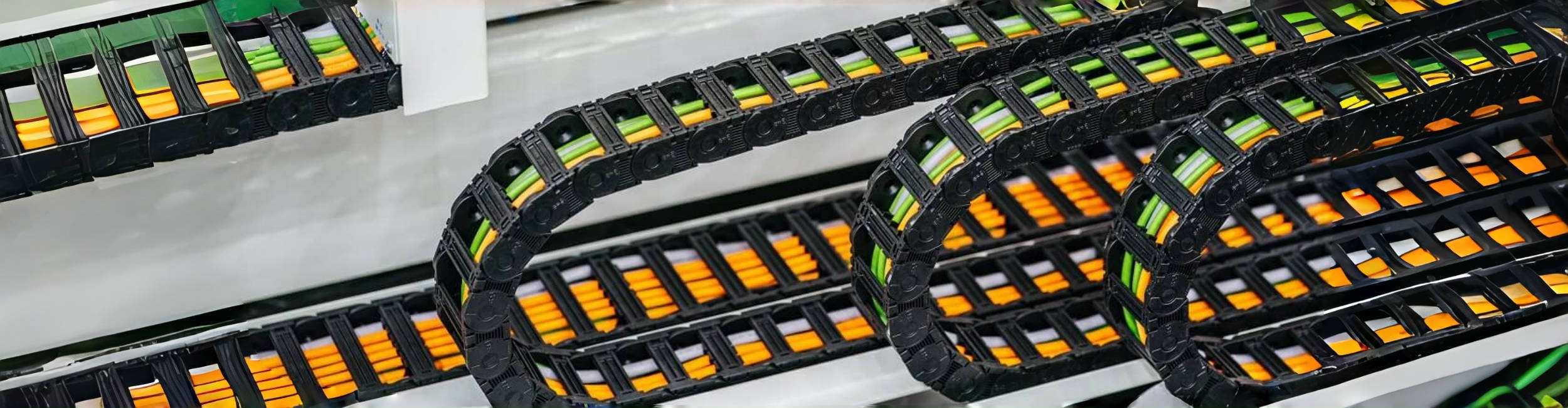
Cable Drag Chains: Innovations Driving Modern Manufacturing
Cable Drag Chains: Innovations Driving Modern Manufacturing In the fast-paced world of modern manufacturing, efficiency and reliability are paramount. One component that often goes unnoticed but plays a crucial role in ensuring smooth operations is the cable drag chain. These innovative devices not only protect cables and hoses but also facilitate seamless movement within automated machinery. In
2025-09-16
Cable Drag Chains: Innovations Driving Modern Manufacturing
In the fast-paced world of modern manufacturing, efficiency and reliability are paramount. One component that often goes unnoticed but plays a crucial role in ensuring smooth operations is the cable drag chain. These innovative devices not only protect cables and hoses but also facilitate seamless movement within automated machinery. In this comprehensive article, we delve into the latest advancements in cable drag chains and how they are transforming manufacturing processes across various sectors.
Table of Contents
- 1. Understanding Cable Drag Chains
- 2. The Importance of Cable Drag Chains in Manufacturing
- 3. Recent Innovations in Cable Drag Chain Technology
- 4. Materials Used in Modern Cable Drag Chains
- 5. Design Considerations for Optimal Performance
- 6. Applications of Cable Drag Chains in Industry
- 7. The Future of Cable Drag Chains in Manufacturing
- 8. Frequently Asked Questions
- 9. Conclusion
1. Understanding Cable Drag Chains
Cable drag chains, also known as energy chains or cable carriers, are mechanical devices designed to guide and protect flexible cables and hoses in automated systems. They are essential in environments where movement is frequent, such as in CNC machines, robotic arms, and assembly lines. By housing cables and hoses, drag chains prevent wear and damage, ensuring a longer lifespan and reducing maintenance costs.
The Anatomy of a Cable Drag Chain
A typical cable drag chain consists of a series of interconnected links that can pivot to accommodate bending and twisting as machinery moves. The design varies based on application requirements, with options for different sizes, shapes, and materials. Key components include:
- Links: The individual segments that connect to form the chain, allowing it to bend and flex.
- Mounting brackets: These secure the drag chain to the machine, ensuring stability during operation.
- Internal separators: Used to organize and protect the cables or hoses within the chain.
2. The Importance of Cable Drag Chains in Manufacturing
In modern manufacturing settings, efficiency is often defined by how well machinery operates. Cable drag chains are integral to this efficiency for several reasons:
Protection and Organization
By securely housing cables and hoses, cable drag chains protect these components from abrasion, entanglement, and environmental factors. This organization minimizes the risk of downtime due to cable damage, ultimately enhancing operational efficiency.
Enhanced Mobility
Drag chains facilitate smooth movements in automated machinery, allowing for better coordination between moving parts. As machines become more complex and multi-functional, the ability to manage cable movement effectively becomes even more critical.
Reduced Maintenance Costs
With effective protection and organization, maintenance costs significantly decrease. Fewer cable replacements and repairs translate to reduced operational costs and less downtime, allowing manufacturers to focus on productivity rather than maintenance.
3. Recent Innovations in Cable Drag Chain Technology
The manufacturing sector continuously evolves, and innovations in cable drag chains are pivotal to this progress. Here are some of the latest advancements shaping the future of these essential components:
Smart Cable Drag Chains
Integrating IoT technology, smart cable drag chains offer real-time monitoring of cable performance and wear. These advancements allow for predictive maintenance, enabling manufacturers to anticipate issues before they lead to costly failures.
Lightweight Materials
Recent innovations in materials science have led to the development of lightweight but durable drag chains. These materials enhance mobility and reduce energy consumption, making them an ideal choice for energy-efficient manufacturing processes.
Customizable Designs
Modern drag chains can be tailored to specific applications, allowing manufacturers to select the right size, shape, and features for their unique needs. This customization ensures optimal performance across various environments and machinery types.
4. Materials Used in Modern Cable Drag Chains
The choice of material is crucial in determining the performance and durability of cable drag chains. Common materials include:
Plastic
Plastic drag chains are lightweight and resistant to many chemical and environmental factors. They are often used in applications where weight reduction is essential.
Metal
Metal drag chains provide superior strength and durability, making them ideal for heavy-duty applications. They can withstand higher temperatures and harsher environments, ensuring a longer lifespan.
Composite Materials
Composite materials offer a combination of the benefits of both plastic and metal, providing flexibility, strength, and resistance to wear and tear. Their versatility makes them suitable for a wide range of applications.
5. Design Considerations for Optimal Performance
When selecting or designing a cable drag chain, several factors must be considered to ensure optimal performance:
Length and Width
The length and width of the drag chain must accommodate the specific application. An oversized chain can lead to increased wear, while an undersized chain may not provide adequate protection.
Bending Radius
The bending radius is critical to the longevity of the cables and hoses within the drag chain. Manufacturers should select a chain that allows for smooth movement without excessive bending, which can cause damage over time.
Weight Capacity
Understanding the weight of the cables or hoses housed within the drag chain is essential. The chain must be designed to support the weight without sagging or causing strain on the machinery.
6. Applications of Cable Drag Chains in Industry
Cable drag chains find applications across various industries due to their versatility and effectiveness. Here are some common use cases:
Robotics
In robotic applications, cable drag chains are crucial for guiding power and signal cables, ensuring that the robot can operate without hindrance. This is especially vital in environments where robots perform complex tasks.
CNC Machining
In CNC machines, cable drag chains protect and organize cables while allowing for smooth movement of the machine's moving parts. This ensures precision and reliability in machining operations.
Automated Assembly Lines
On assembly lines, drag chains facilitate the movement of hoses and cables necessary for equipment operation. Their ability to keep these components organized enhances overall efficiency.
7. The Future of Cable Drag Chains in Manufacturing
The future of cable drag chains looks promising with continuous advancements in technology and materials. The integration of smart technologies, along with a focus on sustainability and efficiency, will drive innovations in this field.
Focus on Sustainability
As industries strive for sustainability, the development of eco-friendly materials for drag chains will become increasingly important. This shift will not only benefit the environment but also appeal to consumers who prioritize sustainable practices.
Integration with Industry 4.0
The rise of Industry 4.0 will necessitate the integration of cable drag chains with other automated systems. This connectivity will allow for an even greater flow of information and improved operational efficiency.
8. Frequently Asked Questions
What are cable drag chains used for?
Cable drag chains are used to guide and protect flexible cables and hoses in automated machinery, ensuring efficient and safe operations.
How do I choose the right cable drag chain?
Consider factors such as the length and width of the chain, bending radius, and weight capacity of the cables it will house. Custom designs can also be tailored for specific applications.
What materials are commonly used for cable drag chains?
Common materials include plastic, metal, and composite materials, each offering different benefits depending on the application requirements.
Can cable drag chains be used in outdoor environments?
Yes, some cable drag chains are designed for outdoor use, with materials that can withstand UV exposure and harsh weather conditions.
How do cable drag chains enhance machine longevity?
By protecting cables and hoses from wear and environmental factors, cable drag chains reduce the risk of damage and subsequent maintenance, contributing to machine longevity.
9. Conclusion
Cable drag chains are essential components in modern manufacturing, driving efficiency and reliability in automated processes. With recent innovations and a focus on customization, these devices continue to evolve, meeting the demands of diverse applications. As technology advances, the future of cable drag chains looks promising, paving the way for smarter, more efficient manufacturing solutions. By understanding their importance and leveraging their benefits, manufacturers can enhance productivity, reduce costs, and ensure a competitive edge in the market.
Related News

Maximizing Efficiency with Cable Drag Chains in Manufacturing
In the realm of manufacturing and machining, the need for organized, efficient, and safe cable management is paramount. This is where cable drag chains come into play. A cable drag chain is designed to house and protect cables, hoses, and other components, allowing for smooth, unhindered movement in machinery. With a variety of designs and configurations available, they cater to specific requireme
How to Troubleshoot Issues with Your Plastic Drag Chain Table of Contents Understanding Plastic Drag Chains Common Issues with Plastic Drag Chains Identifying the Symptoms of Drag Chain Failure Step-by-Step Troubleshooting Guide Preventative Maintenance Tips for Plastic Drag Chains When to Replace Your Drag Chain Best Practices for Installing Drag Chains Conclusion
Subscribe to
Get the latest information on company products


Contact
Add: 14-2,Liandong U Valley,Manufacturing Industrial Park,Tangxia Town,Pengjiang District,Jiangmen City Guangdong Province, China