Krius Intelligent Manufacturing (Jiangmen) Co., Ltd.

Understanding Plastic Drag Chains: Essential Components for Machinery Efficiency
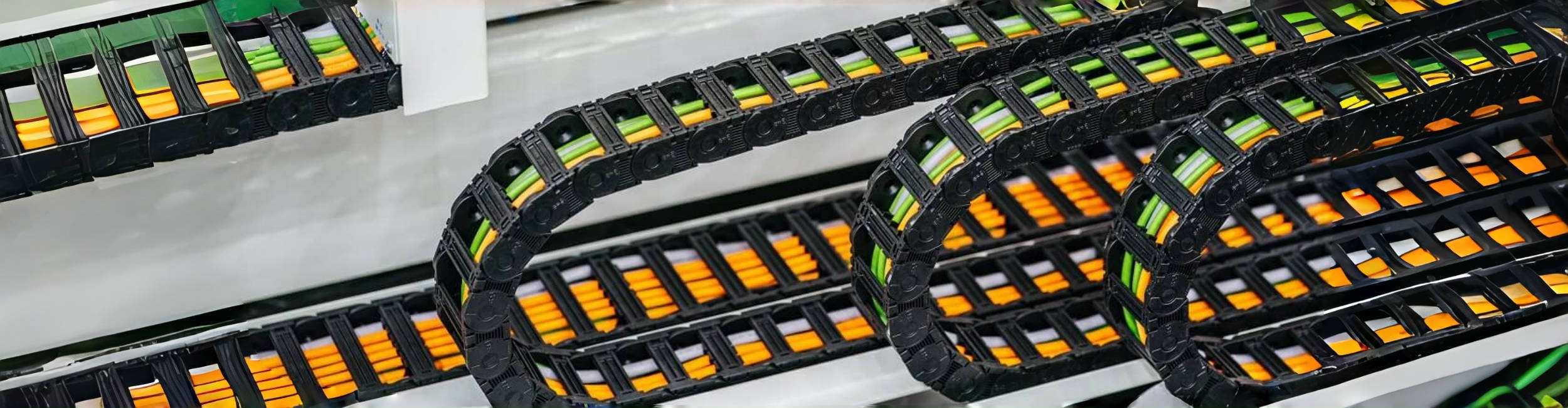
Plastic drag chains are integral components in the manufacturing and machining industry, particularly within the realm of machine tool accessories. These chains serve a crucial purpose in the management and organization of power cables, hoses, and other moving components in automated systems. By facilitating the movement of these elements, plastic drag chains help enhance operational efficiency an
2025-09-14
One of the primary advantages of plastic drag chains is their lightweight design, which allows for effortless movement and installation. Unlike metal drag chains, plastic variants exhibit superior resistance to corrosion and environmental factors, making them ideal for use in various settings. Their resilience enables them to endure harsh conditions while maintaining optimal performance levels. Additionally, the flexibility of plastic materials contributes to the customization possibilities, allowing manufacturers to develop drag chains tailored to specific applications and configurations.
The design of plastic drag chains also incorporates features that promote smooth cable management. Many chains come with an openable design, making it easy to insert or replace cables without dismantling the entire assembly. This accessibility not only saves time during maintenance but also minimizes downtime, which is critical in high productivity environments. Furthermore, the modular design of plastic drag chains allows for easy expansion or reconfiguration, adapting to changes in machinery layouts or operational requirements.
Plastic drag chains are available in various sizes and shapes, catering to a wide array of industries, including robotics, CNC machining, and packaging. Their versatility is a significant factor in their widespread adoption. When selecting a drag chain, it is essential to consider the application's specific requirements, such as the cable type, length, and environmental conditions. Proper selection ensures that the drag chain functions effectively, enhancing the overall performance of the machinery.
Moreover, integrating plastic drag chains into manufacturing processes contributes to safety. By neatly organizing cables and hoses, they reduce the risk of tripping hazards and equipment damage, fostering a safer working environment. This organization not only protects employees but also safeguards machinery from potential operational disruptions caused by cable entanglements or snags.
In summary, plastic drag chains are vital components that play a crucial role in the efficiency and safety of manufacturing equipment. Their lightweight, corrosion-resistant design, coupled with their customizable and modular nature, makes them indispensable in various industrial applications. By understanding the benefits and functionalities of plastic drag chains, manufacturers can optimize their machinery operations, enhancing productivity and ensuring longevity in their equipment.
PREVIOUS:
Related News

Maximizing Efficiency with Cable Drag Chains in Manufacturing
In the realm of manufacturing and machining, the need for organized, efficient, and safe cable management is paramount. This is where cable drag chains come into play. A cable drag chain is designed to house and protect cables, hoses, and other components, allowing for smooth, unhindered movement in machinery. With a variety of designs and configurations available, they cater to specific requireme
How to Troubleshoot Issues with Your Plastic Drag Chain Table of Contents Understanding Plastic Drag Chains Common Issues with Plastic Drag Chains Identifying the Symptoms of Drag Chain Failure Step-by-Step Troubleshooting Guide Preventative Maintenance Tips for Plastic Drag Chains When to Replace Your Drag Chain Best Practices for Installing Drag Chains Conclusion
Subscribe to
Get the latest information on company products


Contact
Add: 14-2,Liandong U Valley,Manufacturing Industrial Park,Tangxia Town,Pengjiang District,Jiangmen City Guangdong Province, China