Krius Intelligent Manufacturing (Jiangmen) Co., Ltd.

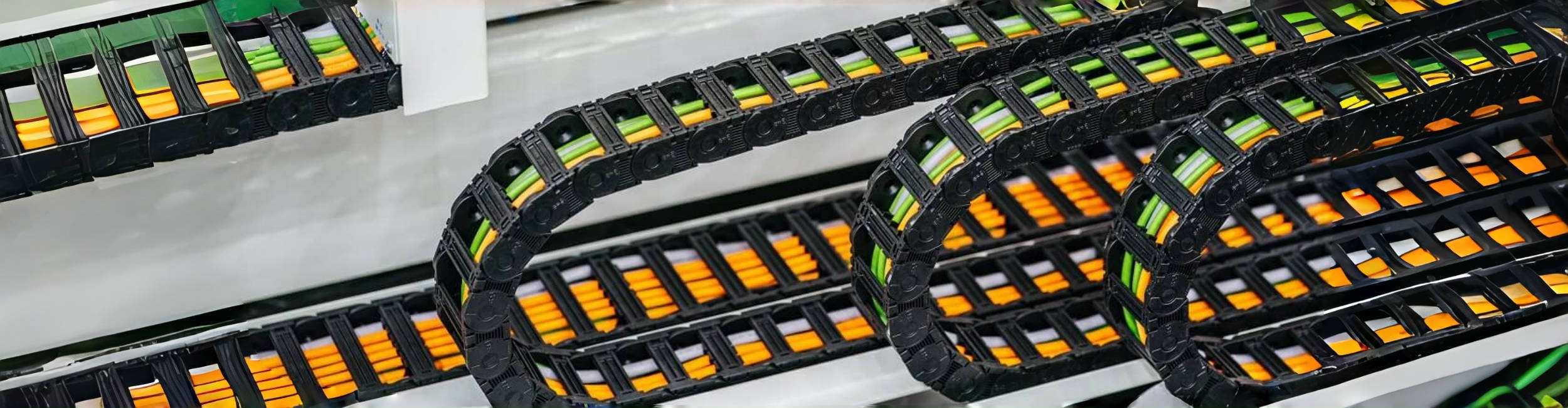
Understanding Cable Drag Chains: Essential Components for Efficient Machinery
Cable drag chains, also known as energy chains or cable carriers, are essential components in various manufacturing and processing machinery. They are designed to guide and protect moving cables and hoses, ensuring smooth and efficient operation. In environments where machinery is subject to dynamic movement, such as in CNC machining, robotic systems, or automated assembly lines, the role of cable
2026-07-24
The primary function of a cable drag chain is to organize and shield cables, preventing tangling, wear, and damage. By maintaining a structured arrangement, these chains facilitate a longer lifespan for the cables and hoses they contain, ultimately reducing maintenance costs and downtime. In addition to protecting the cables, drag chains also contribute to the aesthetic organization of the workspace, minimizing clutter and enhancing safety.
When selecting a cable drag chain for your application, several factors must be considered to ensure optimal performance. The size and type of cable being used is crucial; it is important to choose a chain that can accommodate the diameter and flexibility of the cables without causing strain. Additionally, the environment in which the chain will operate should be evaluated. For instance, factors such as temperature, humidity, and exposure to particulates can influence the material choice for the drag chain. Common materials include plastic, steel, and aluminum, each offering distinct advantages based on the application.
Another key consideration is the range of motion required. Cable drag chains are available in various designs, including open and closed types, as well as different lengths and widths. For applications involving large movements, a flexible drag chain that can withstand bending in multiple directions is ideal. Conversely, for static applications, simpler designs may suffice.
Installation and maintenance of cable drag chains are also pivotal for ensuring longevity and efficiency. Proper installation involves following manufacturer guidelines and ensuring that cables are laid out in a way that allows for unhindered movement. Regular inspections should be conducted to identify any signs of wear or damage, enabling timely replacements before they lead to equipment failure.
In conclusion, cable drag chains are integral to the efficiency and reliability of manufacturing machinery. By understanding their functionality, selecting the right type for specific applications, and maintaining them properly, professionals can enhance productivity and reduce operational disruptions. Investing in high-quality cable drag chains is a strategic move that can yield significant long-term benefits for any manufacturing operation.
Related News

Maximizing Efficiency with Cable Drag Chains in Manufacturing
In the realm of manufacturing and machining, the need for organized, efficient, and safe cable management is paramount. This is where cable drag chains come into play. A cable drag chain is designed to house and protect cables, hoses, and other components, allowing for smooth, unhindered movement in machinery. With a variety of designs and configurations available, they cater to specific requireme
How to Troubleshoot Issues with Your Plastic Drag Chain Table of Contents Understanding Plastic Drag Chains Common Issues with Plastic Drag Chains Identifying the Symptoms of Drag Chain Failure Step-by-Step Troubleshooting Guide Preventative Maintenance Tips for Plastic Drag Chains When to Replace Your Drag Chain Best Practices for Installing Drag Chains Conclusion
Subscribe to
Get the latest information on company products


Contact
Add: 14-2,Liandong U Valley,Manufacturing Industrial Park,Tangxia Town,Pengjiang District,Jiangmen City Guangdong Province, China