Krius Intelligent Manufacturing (Jiangmen) Co., Ltd.

Common Applications of Plastic Drag Chains in the Industrial Sector
Common Applications of Plastic Drag Chains in the Industrial Sector Introduction to Plastic Drag Chains Plastic drag chains, also known as cable carriers or energy chains, serve a crucial function in modern industry. These components are designed to protect and manage cables, hoses, and other supply lines in dynamic applications. Their ability to withstand repetitive motion while minimizing wear a
2026-07-21
Common Applications of Plastic Drag Chains in the Industrial Sector
Introduction to Plastic Drag Chains
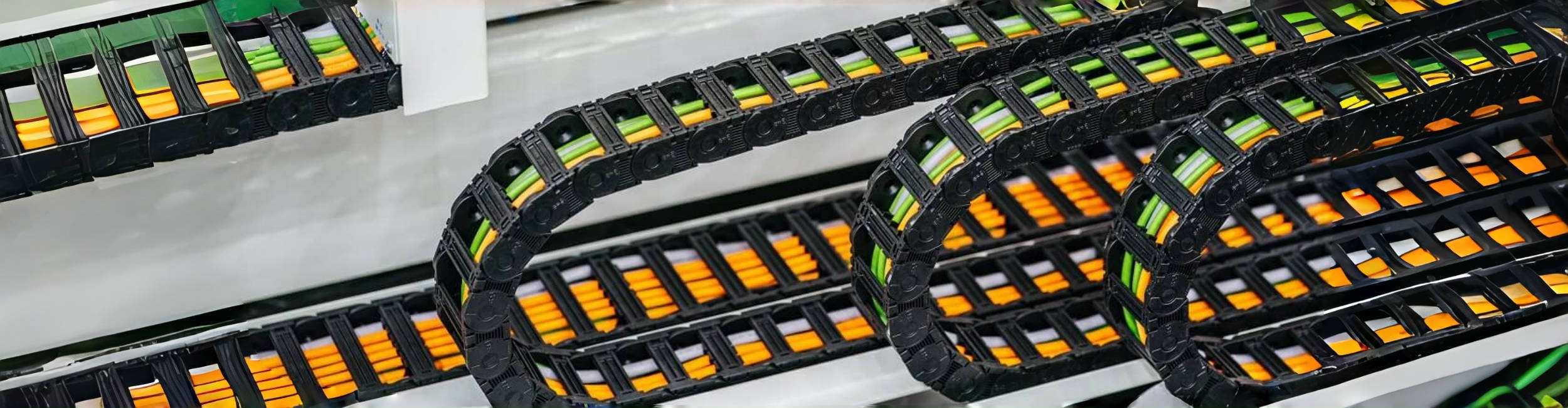
Plastic drag chains, also known as cable carriers or energy chains, serve a crucial function in modern industry. These components are designed to protect and manage cables, hoses, and other supply lines in dynamic applications. Their ability to withstand repetitive motion while minimizing wear and tear makes them a preferred choice in various manufacturing processes.
Why Choose Plastic Drag Chains?
When considering the implementation of drag chains in industrial operations, the choice of material plays a significant role. Plastic drag chains offer numerous advantages over their metal counterparts, including:
- Lightweight Construction: Plastic drag chains are significantly lighter, which allows for reduced energy consumption and easier installation.
- Corrosion Resistance: Unlike metal, plastic does not rust, making it ideal for wet or corrosive environments.
- Noise Reduction: The design of plastic drag chains minimizes operational noise, contributing to a better working environment.
- Flexibility and Customization: Available in various sizes and configurations, plastic drag chains can be tailored to specific applications.
Key Applications of Plastic Drag Chains
Plastic drag chains find utility in a multitude of industrial applications. Below, we explore some of the most common uses across different sectors.
1. CNC Machining
In CNC (Computer Numerical Control) machining, maintaining a clean and efficient workspace is essential. Plastic drag chains are utilized to organize and protect the power and signal lines, allowing machines to operate optimally without the risk of entanglement or damage. Their durability ensures reliable performance, essential for precision machining.
2. Robotics
The robotics sector heavily relies on plastic drag chains to secure cables, hoses, and other components in motion. As robots perform complex tasks, these chains provide the necessary protection against wear while allowing for fluid movement. By ensuring that all connections remain secure, plastic drag chains enhance the overall functionality of robotic systems.
3. Automated Conveyors
In the realm of automated conveyor systems, the management of electrical and pneumatic lines is critical. Plastic drag chains help in organizing these lines, preventing tangling and ensuring uninterrupted operation. Their lightweight nature aids in the smooth movement of conveyor belts, contributing to optimized production flows.
4. Wind Energy Sector
In wind turbines, plastic drag chains are employed to manage cables that connect the turbine to the grid. Their ability to withstand harsh weather conditions and severe mechanical stress makes them an ideal choice for this application. Additionally, the lightweight feature minimizes the load on the turbine structure.
5. Packaging Machinery
The packaging industry benefits from the use of plastic drag chains to manage electrical and pneumatic systems efficiently. They allow for quick movement and repositioning of machinery without the risk of damaging sensitive components. This capability enhances the speed and efficiency of packaging processes.
6. Material Handling Equipment
In warehouses and distribution centers, material handling equipment such as forklifts and automated guided vehicles (AGVs) utilize plastic drag chains to keep cables neat and secure. This organization reduces the risk of accidents and equipment failure, promoting a safer working environment.
Benefits of Using Plastic Drag Chains
The advantages of integrating plastic drag chains into industrial applications extend beyond simple cable management. Here are several key benefits:
- Increased Lifespan: The protective casing provided by drag chains helps prevent abrasion and damage, extending the lifespan of cables and hoses.
- Enhanced Safety: By preventing tangles and potential hazards, plastic drag chains contribute to a safer workplace.
- Improved Efficiency: Organized cables mean fewer interruptions during operations, leading to higher productivity levels.
- Cost-Effective Solution: Reduced maintenance and replacement costs translate into savings for businesses.
Considerations When Choosing Plastic Drag Chains
Selecting the right plastic drag chains for your specific application requires careful consideration of several factors:
1. Load Capacity
It is vital to assess the load capacity of the drag chains to ensure they can handle the weight of the cables and hoses they will protect.
2. Operating Environment
Consider the environmental conditions where the drag chain will be used, such as temperature extremes, exposure to chemicals, and humidity levels.
3. Movement Type
Determine the type of movement involved—linear, rotary, or multidimensional—as different drag chains may be designed for specific movements.
4. Space Constraints
Evaluate available space to select a drag chain that fits without compromising on functionality or accessibility.
Maintenance Tips for Plastic Drag Chains
To maximize the lifespan and efficiency of plastic drag chains, regular maintenance is essential. Here are some tips:
- Regular Inspection: Periodically check for wear and tear, ensuring that all components are intact.
- Cleanliness: Keep the drag chains and surrounding areas clean to prevent the accumulation of dust and debris.
- Proper Lubrication: Use appropriate lubricants to ensure smooth movement and reduce friction.
- Monitor for Alignment: Ensure that the drag chains are aligned correctly to avoid unnecessary strain during operation.
FAQs About Plastic Drag Chains
1. What materials are plastic drag chains made from?
Plastic drag chains are primarily made from durable thermoplastics such as nylon, polyamide, or polypropylene, which provide strength and flexibility.
2. How do I determine the right size of drag chain for my application?
To choose the right size, consider the diameter of the cables or hoses you plan to use, the required bend radius, and the length needed for your application.
3. Can plastic drag chains be used in outdoor applications?
Yes, many plastic drag chains are designed for outdoor use and feature UV resistance and increased durability to withstand environmental factors.
4. How often should plastic drag chains be inspected?
It is recommended to inspect plastic drag chains regularly—every few months, depending on usage—to ensure optimal performance and identify any wear or damage early.
5. Are plastic drag chains customizable?
Absolutely! Many manufacturers offer customizable options to fit specific application requirements, including sizes, colors, and configurations.
Conclusion
In the ever-evolving industrial landscape, **plastic drag chains** play a pivotal role in enhancing operational efficiency and safety. With their lightweight construction, durability, and versatility, they continue to prove indispensable across various applications, from CNC machining to robotics. By understanding their numerous benefits and maintaining them properly, businesses can ensure their operations run smoothly and efficiently. Embracing the potential of plastic drag chains is a step toward a more organized, productive, and safe industrial environment.
Related News

Maximizing Efficiency with Cable Drag Chains in Manufacturing
In the realm of manufacturing and machining, the need for organized, efficient, and safe cable management is paramount. This is where cable drag chains come into play. A cable drag chain is designed to house and protect cables, hoses, and other components, allowing for smooth, unhindered movement in machinery. With a variety of designs and configurations available, they cater to specific requireme
How to Troubleshoot Issues with Your Plastic Drag Chain Table of Contents Understanding Plastic Drag Chains Common Issues with Plastic Drag Chains Identifying the Symptoms of Drag Chain Failure Step-by-Step Troubleshooting Guide Preventative Maintenance Tips for Plastic Drag Chains When to Replace Your Drag Chain Best Practices for Installing Drag Chains Conclusion
Subscribe to
Get the latest information on company products


Contact
Add: 14-2,Liandong U Valley,Manufacturing Industrial Park,Tangxia Town,Pengjiang District,Jiangmen City Guangdong Province, China