Krius Intelligent Manufacturing (Jiangmen) Co., Ltd.

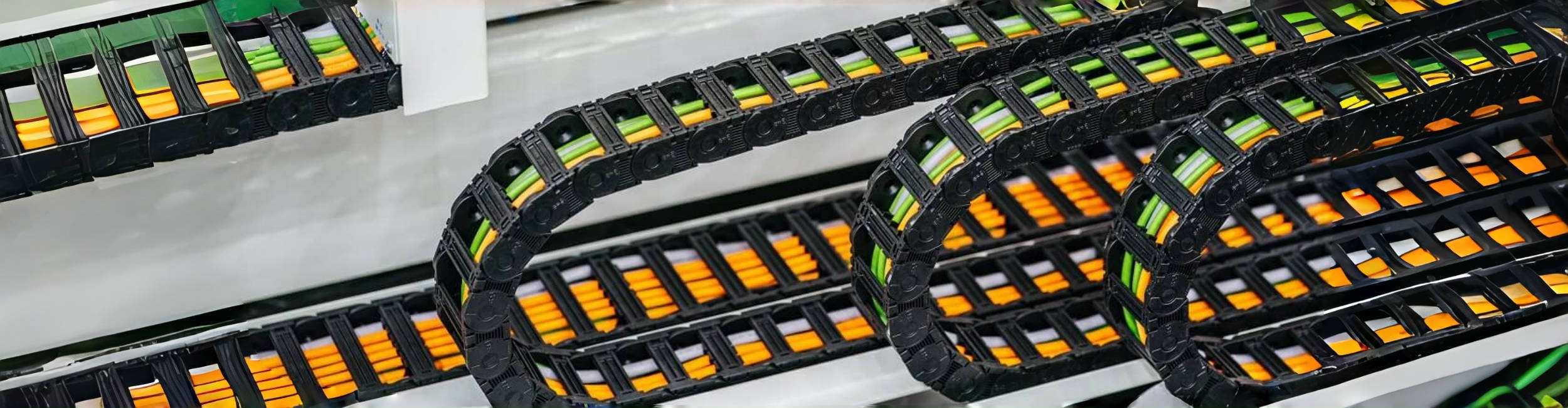
Understanding Plastic Drag Chains: Essential Components for Manufacturing and Machining
Plastic drag chains, also known as energy chains or cable carriers, are engineered components designed to guide and protect flexible cables and hoses in motion. They are widely used in various manufacturing and machining applications to enhance operational efficiency and ensure the longevity of cable systems. Here’s a deeper look into the significance of plastic drag chains in the manufacturing la
2026-04-17
**Benefits of Plastic Drag Chains**
One of the primary advantages of plastic drag chains is their ability to minimize wear and tear on cables and hoses. In dynamic environments, cables are often subjected to bending, twisting, and abrasion from contact with other surfaces. Drag chains provide a protective enclosure that alleviates these stresses, significantly extending the lifespan of the cables and reducing maintenance costs.
Moreover, plastic drag chains are lightweight yet durable, making them an ideal choice for applications where weight is a crucial consideration. The use of high-quality plastic materials ensures that these drag chains can withstand harsh environments, including exposure to chemicals, oils, and varying temperatures. This resilience is vital for industries ranging from automotive manufacturing to robotics.
**Applications of Plastic Drag Chains**
Plastic drag chains find their use in a multitude of applications. In CNC machines, for instance, they serve to manage and protect the numerous cables that power the machine's motors and other components. This organization prevents tangling and damage during the machine's operation, ensuring smoother functionalities.
Additionally, plastic drag chains are essential in automation systems, where robotic arms require flexible and reliable cabling solutions. They facilitate seamless movement, allowing robots to operate efficiently without the risk of cable entanglement or damage.
**Considerations for Selecting Plastic Drag Chains**
When choosing plastic drag chains, several factors should be taken into account. First, the chain’s size and bending radius are critical to ensure compatibility with the specific application. Different machines may require varying chain dimensions to accommodate the length and flexibility of the cables involved.
Furthermore, consider the environment in which the drag chain will operate. Exposure to high temperatures, chemicals, or physical wear may necessitate specialized materials or designs. Selecting the right drag chain that meets these environmental conditions will enhance its performance and durability.
In conclusion, plastic drag chains are vital components in the manufacturing and machining sectors. Their ability to protect and organize cables while ensuring smooth operation makes them indispensable in various settings. By understanding their benefits and applications, manufacturers can make informed decisions on integrating plastic drag chains into their machinery, ultimately boosting productivity and reducing operational costs.
Related News

Maximizing Efficiency with Cable Drag Chains in Manufacturing
In the realm of manufacturing and machining, the need for organized, efficient, and safe cable management is paramount. This is where cable drag chains come into play. A cable drag chain is designed to house and protect cables, hoses, and other components, allowing for smooth, unhindered movement in machinery. With a variety of designs and configurations available, they cater to specific requireme
How to Troubleshoot Issues with Your Plastic Drag Chain Table of Contents Understanding Plastic Drag Chains Common Issues with Plastic Drag Chains Identifying the Symptoms of Drag Chain Failure Step-by-Step Troubleshooting Guide Preventative Maintenance Tips for Plastic Drag Chains When to Replace Your Drag Chain Best Practices for Installing Drag Chains Conclusion
Subscribe to
Get the latest information on company products


Contact
Add: 14-2,Liandong U Valley,Manufacturing Industrial Park,Tangxia Town,Pengjiang District,Jiangmen City Guangdong Province, China