Krius Intelligent Manufacturing (Jiangmen) Co., Ltd.

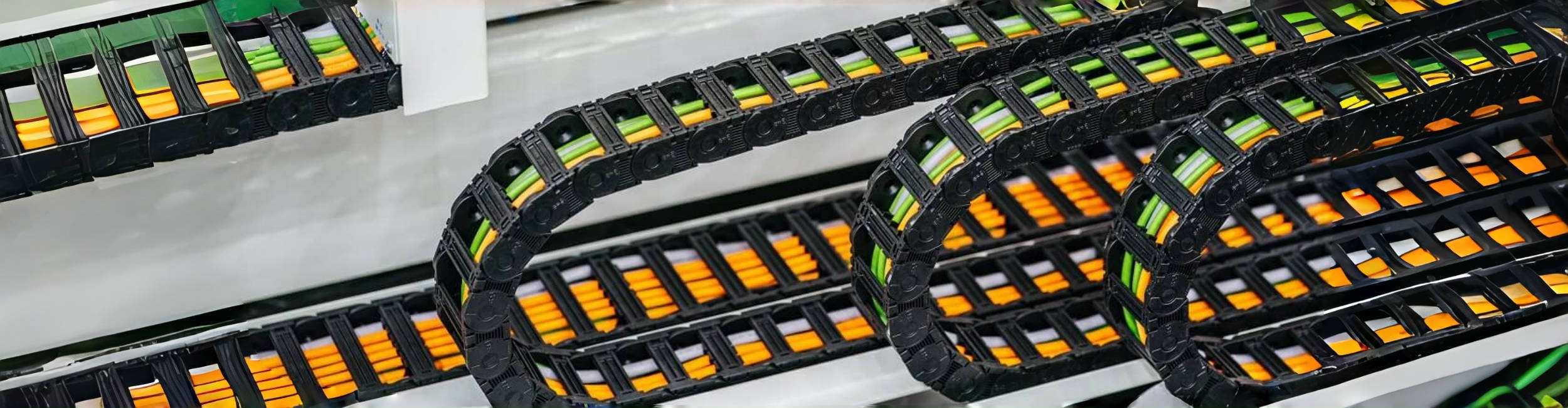
Cable Drag Chains: The Unsung Heroes of Machine Tool Accessories
Cable Drag Chains: The Unsung Heroes of Machine Tool Accessories Introduction to Cable Drag Chains in Machine Tools In the world of manufacturing, machine tools play a pivotal role in shaping and assembling products. Amidst the extensive array of machine tool accessories, **cable drag chains** often remain overlooked. These essential components provide a crucial function that enhances operatio
2026-04-16
Cable Drag Chains: The Unsung Heroes of Machine Tool Accessories
Introduction to Cable Drag Chains in Machine Tools
In the world of manufacturing, machine tools play a pivotal role in shaping and assembling products. Amidst the extensive array of machine tool accessories, **cable drag chains** often remain overlooked. These essential components provide a crucial function that enhances operational efficiency, ensures safety, and prolongs equipment lifespan. This article delves into the intricacies of cable drag chains, exploring their design, applications, benefits, and maintenance.
The Anatomy of Cable Drag Chains
Understanding the structure of cable drag chains is vital to appreciating their functionality. These chains consist of interconnected links that form a flexible conduit for electrical cables and hoses. Their design allows for movement in various directions, accommodating the dynamic motion of machine tools.
Materials Used in Cable Drag Chains
Cable drag chains are typically made from materials such as:
- **Plastic**: Lightweight and resistant to chemicals, plastic chains are ideal for lighter loads.
- **Steel**: Offering durability and strength, steel drag chains are suited for heavy-duty applications.
- **Aluminum**: Combining lightweight properties with strength, aluminum chains are often used in environments requiring moderate to heavy loads.
Types of Cable Drag Chains
There are several types of cable drag chains, each designed for specific applications:
- **Open Cable Drag Chains**: Allow easy access to cables and hoses, ideal for maintenance.
- **Closed Cable Drag Chains**: Offer better protection from contaminants, suitable for harsh environments.
- **Flexible Cable Drag Chains**: Designed to adapt to various movement patterns, enhancing machine flexibility.
Key Functions of Cable Drag Chains
Cable drag chains serve multiple essential functions that contribute to the overall efficiency and safety of machine tools.
1. Protection of Cables and Hoses
One of the primary roles of cable drag chains is to protect cables and hoses from wear and tear. By housing these components within a robust structure, drag chains prevent abrasion and tangling, which can lead to costly downtime.
2. Organization of Cables
In complex machinery, managing numerous cables and hoses can be challenging. Cable drag chains provide a systematic way to organize these elements, reducing clutter and enhancing accessibility.
3. Facilitation of Motion
Cable drag chains enable the seamless movement of cables and hoses as machine tools operate. This flexibility ensures that electrical connections remain intact and that hydraulic lines function without obstruction.
Applications of Cable Drag Chains in Manufacturing
Cable drag chains are versatile components found in various sectors of manufacturing.
1. CNC Machining
In CNC machines, drag chains prevent cables from interfering with moving parts, ensuring smooth operation and reducing the risk of mechanical failure.
2. Robotics
Robotic systems rely on cable drag chains to maintain clean and efficient connections between power sources and moving elements, enabling precise operations.
3. Conveyor Systems
In conveyor belt systems, drag chains help manage cables and hoses, ensuring that the system runs efficiently and without interruptions.
Benefits of Using Cable Drag Chains
Incorporating cable drag chains into machine tools offers numerous benefits to manufacturers.
1. Enhanced Safety
By protecting cables and hoses, drag chains reduce the risk of electrical hazards and fluid leaks, promoting a safer working environment.
2. Increased Efficiency
With organized and protected cables, machines operate more efficiently, leading to increased productivity and reduced downtime.
3. Extended Equipment Lifespan
By minimizing wear on cables and hoses, drag chains contribute to the longevity of machine tools, ultimately saving manufacturers money on repairs and replacements.
Maintenance Tips for Cable Drag Chains
To ensure optimal performance, regular maintenance of cable drag chains is essential.
1. Regular Inspections
Conduct routine inspections to identify wear and tear. Look for signs of abrasion on cables and the drag chain itself.
2. Lubrication
Apply lubricant to the joints and moving parts of the drag chain to minimize friction and wear.
3. Cleaning
Keep the drag chains clean from contaminants that could hinder their movement. Dust and debris can cause premature wear.
Choosing the Right Cable Drag Chain for Your Application
Selecting the appropriate cable drag chain involves considering various factors.
1. Load Capacity
Evaluate the weight of the cables and hoses that the drag chain will support. Ensure that the chain can handle the load without strain.
2. Environment
Consider the operating environment. Harsh conditions may require chains made from more resilient materials, such as steel or special polymers.
3. Flexibility and Movement Patterns
Assess the machine's movement patterns. Choose a drag chain that can accommodate required angles and distances.
FAQs About Cable Drag Chains
1. What is the primary purpose of cable drag chains?
Cable drag chains are designed to protect and organize cables and hoses, ensuring they move freely without interference during the operation of machine tools.
2. How do I know which type of cable drag chain to choose?
Consider factors such as load capacity, environment, and movement patterns when choosing the right cable drag chain for your application.
3. Can I use cable drag chains in outdoor environments?
Yes, but ensure you select chains made from materials that resist UV radiation and moisture if used outdoors.
4. How often should I perform maintenance on cable drag chains?
Regular inspections should be conducted at least once a month, with cleaning and lubrication performed as necessary based on usage.
5. Are cable drag chains customizable?
Yes, many manufacturers offer customizable cable drag chains to fit specific needs and designs based on the machinery being used.
Conclusion
Cable drag chains are indeed the unsung heroes of machine tool accessories. Their ability to protect, organize, and facilitate the movement of electrical cables and hoses is indispensable in modern manufacturing. By understanding their design, applications, and maintenance needs, manufacturers can leverage these essential components to enhance productivity, safety, and equipment longevity. Investing in the right cable drag chains can yield significant benefits, ensuring that machine tools operate efficiently and effectively for years to come.
Related News

Maximizing Efficiency with Cable Drag Chains in Manufacturing
In the realm of manufacturing and machining, the need for organized, efficient, and safe cable management is paramount. This is where cable drag chains come into play. A cable drag chain is designed to house and protect cables, hoses, and other components, allowing for smooth, unhindered movement in machinery. With a variety of designs and configurations available, they cater to specific requireme
How to Troubleshoot Issues with Your Plastic Drag Chain Table of Contents Understanding Plastic Drag Chains Common Issues with Plastic Drag Chains Identifying the Symptoms of Drag Chain Failure Step-by-Step Troubleshooting Guide Preventative Maintenance Tips for Plastic Drag Chains When to Replace Your Drag Chain Best Practices for Installing Drag Chains Conclusion
Subscribe to
Get the latest information on company products


Contact
Add: 14-2,Liandong U Valley,Manufacturing Industrial Park,Tangxia Town,Pengjiang District,Jiangmen City Guangdong Province, China