Krius Intelligent Manufacturing (Jiangmen) Co., Ltd.

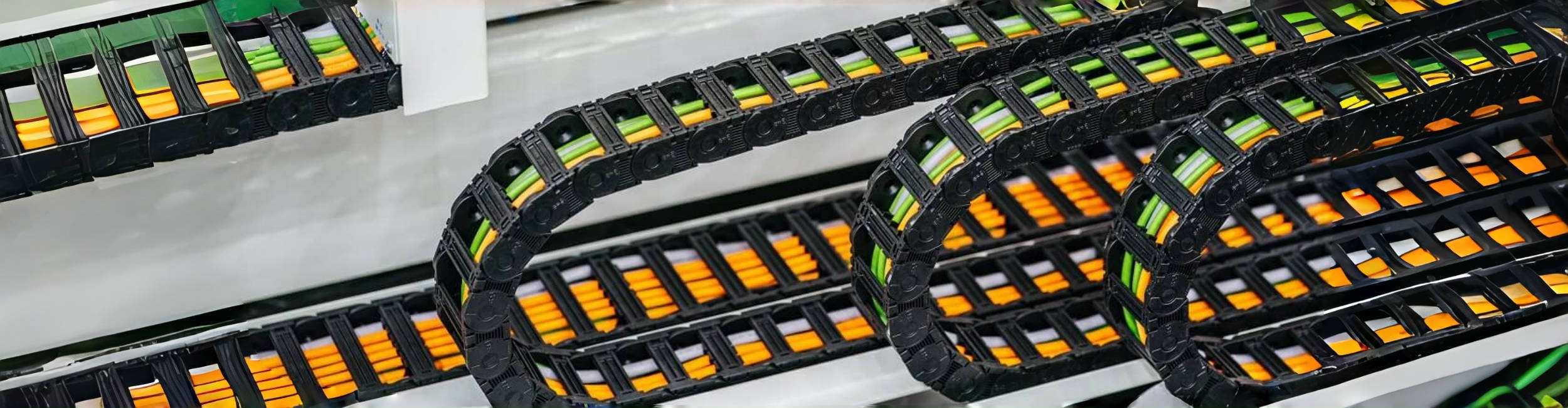
Comparing Nylon Drag Chains to Other Materials: What You Should Know
Comparing Nylon Drag Chains to Other Materials: What You Should Know In the world of manufacturing and machinery, **drag chains** play a crucial role in organizing and protecting cables and hoses. Among various materials used for these components, **nylon drag chains** have emerged as a popular choice due to their unique attributes. But how do they stack up against other materials like steel, alum
2026-04-10
Comparing Nylon Drag Chains to Other Materials: What You Should Know
In the world of manufacturing and machinery, **drag chains** play a crucial role in organizing and protecting cables and hoses. Among various materials used for these components, **nylon drag chains** have emerged as a popular choice due to their unique attributes. But how do they stack up against other materials like steel, aluminum, and polyurethane? In this comprehensive guide, we will delve into the intricacies of **nylon drag chains** and analyze their properties compared to their counterparts. Here, we aim to provide you with the insights necessary for making informed decisions in your applications.
Table of Contents
- 1. Introduction to Drag Chains
- 2. What Are Nylon Drag Chains?
- 3. Advantages of Nylon Drag Chains
- 4. Disadvantages of Nylon Drag Chains
- 5. Comparing Nylon to Other Materials
- 6. Best Applications for Nylon Drag Chains
- 7. Maintenance and Care for Drag Chains
- 8. Frequently Asked Questions
- 9. Conclusion
1. Introduction to Drag Chains
Drag chains, also known as energy chains or cable carriers, are essential components in various industrial applications. They are primarily used to guide and protect moving cables and hoses in automated systems, ensuring smooth operation and reducing wear and tear. The choice of material significantly impacts the performance, durability, and overall efficiency of these essential components.
2. What Are Nylon Drag Chains?
Nylon drag chains are made from high-quality nylon, a thermoplastic polymer known for its strength and flexibility. These drag chains are designed to accommodate a variety of cables and hoses, making them an ideal solution for applications requiring movement and flexibility. The lightweight nature of nylon significantly reduces the overall weight of the system, allowing for ease of installation and maintenance.
3. Advantages of Nylon Drag Chains
Choosing nylon drag chains comes with several distinct advantages:
3.1 Lightweight and Flexible
Nylon drag chains are considerably lighter than their metal counterparts, making them easier to handle and install. Their flexibility allows them to bend and move easily, accommodating dynamic applications.
3.2 Excellent Chemical Resistance
Nylon is resistant to various chemicals, including oils, fuels, and solvents, making nylon drag chains suitable for use in diverse environments.
3.3 Low Friction Coefficient
The low friction coefficient of nylon helps in reducing wear on both the cables and the drag chain itself. This feature extends the lifespan of the cables and significantly lowers maintenance costs.
3.4 Noise Reduction
Nylon drag chains also offer excellent noise reduction during operation. This feature is particularly beneficial in environments where noise levels must be minimized.
4. Disadvantages of Nylon Drag Chains
While nylon drag chains boast numerous benefits, they are not without their drawbacks:
4.1 Limited Temperature Resistance
Nylon has a lower melting point compared to metals. This limitation makes nylon drag chains less suitable for high-temperature environments where thermal stability is critical.
4.2 Potential for UV Degradation
Exposure to ultraviolet (UV) light can lead to degradation of nylon over time. Therefore, nylon drag chains may require extra protection when used in outdoor or UV-exposed applications.
5. Comparing Nylon to Other Materials
When selecting a drag chain material, it is essential to understand how nylon compares to other commonly used materials, including steel, aluminum, and polyurethane.
5.1 Steel Drag Chains
Steel drag chains are known for their strength and durability. They excel in heavy-duty applications and environments with extreme conditions. However, steel chains are also heavier, which may limit their application in lighter machinery. Additionally, steel is prone to rust and corrosion without proper treatment, which can lead to higher maintenance costs.
5.2 Aluminum Drag Chains
Aluminum drag chains offer a good compromise between weight and strength. They are lighter than steel and resistant to corrosion, making them suitable for a variety of applications. However, aluminum may not provide the same level of flexibility as nylon and can be more expensive.
5.3 Polyurethane Drag Chains
Polyurethane drag chains exhibit excellent wear resistance and are ideal for applications involving abrasive environments. They are also more resistant to UV degradation compared to nylon. However, polyurethane can be less flexible and more costly, which may not make it the best choice for all applications.
6. Best Applications for Nylon Drag Chains
Nylon drag chains find their application in various industries due to their unique properties:
6.1 Robotics
In robotic applications, the lightweight and flexible nature of nylon drag chains allows for smooth movement and efficient energy management.
6.2 CNC Machines
CNC machines benefit from the low friction and chemical resistance of nylon drag chains, enhancing their operational efficiency and reducing downtime.
6.3 Automotive Production
The automotive industry often utilizes nylon drag chains for assembly line operations where flexibility and space-saving are crucial.
6.4 Packaging Machinery
Packaging lines that require rapid movement and minimal noise often turn to nylon drag chains for optimal performance.
7. Maintenance and Care for Drag Chains
To ensure longevity and optimal performance of nylon drag chains, regular maintenance is essential:
7.1 Routine Inspections
Conduct routine inspections for wear, tear, or misalignments in the drag chains and cables. Early detection of issues can prevent costly downtime.
7.2 Lubrication
Applying appropriate lubricants can further reduce friction and wear over time. Ensure that the lubricant is compatible with nylon to avoid degradation.
7.3 Environmental Protection
Implement measures to shield nylon drag chains from UV exposure and extreme temperatures. This can prolong the lifespan and maintain performance efficiency.
8. Frequently Asked Questions
8.1 What is the primary benefit of using nylon drag chains?
The primary benefit of nylon drag chains is their lightweight and flexible nature, which allows for smooth movement and reduced wear.
8.2 Are nylon drag chains resistant to chemicals?
Yes, nylon drag chains offer excellent chemical resistance, making them suitable for various industrial applications.
8.3 How do nylon drag chains compare to steel chains in terms of durability?
While nylon chains are durable for lighter applications, steel chains are more robust and suitable for heavy-duty environments.
8.4 Can nylon drag chains be used outdoors?
Nylon drag chains can be used outdoors but may require protection from UV exposure to prevent degradation.
8.5 What maintenance is required for nylon drag chains?
Regular inspections, lubrication, and environmental protection measures are necessary to maintain nylon drag chains' performance.
9. Conclusion
In summary, **nylon drag chains** offer a unique set of advantages that make them suitable for a wide range of industrial applications. Their lightweight, flexible, and chemically resistant properties make them a popular choice among manufacturers. However, understanding the limitations and comparing them to other materials, such as steel, aluminum, and polyurethane, is crucial for making informed decisions. By carefully considering the specific requirements of your application, you can select the right drag chain material that maximizes efficiency and minimizes maintenance costs. The insights provided in this guide equip you with the knowledge needed to make the best choice for your machinery needs.
Related News

Maximizing Efficiency with Cable Drag Chains in Manufacturing
In the realm of manufacturing and machining, the need for organized, efficient, and safe cable management is paramount. This is where cable drag chains come into play. A cable drag chain is designed to house and protect cables, hoses, and other components, allowing for smooth, unhindered movement in machinery. With a variety of designs and configurations available, they cater to specific requireme
How to Troubleshoot Issues with Your Plastic Drag Chain Table of Contents Understanding Plastic Drag Chains Common Issues with Plastic Drag Chains Identifying the Symptoms of Drag Chain Failure Step-by-Step Troubleshooting Guide Preventative Maintenance Tips for Plastic Drag Chains When to Replace Your Drag Chain Best Practices for Installing Drag Chains Conclusion
Subscribe to
Get the latest information on company products


Contact
Add: 14-2,Liandong U Valley,Manufacturing Industrial Park,Tangxia Town,Pengjiang District,Jiangmen City Guangdong Province, China