Krius Intelligent Manufacturing (Jiangmen) Co., Ltd.

Comprehensive Guide to Plastic Cable Drag Chains: Enhancing Machinery Efficiency
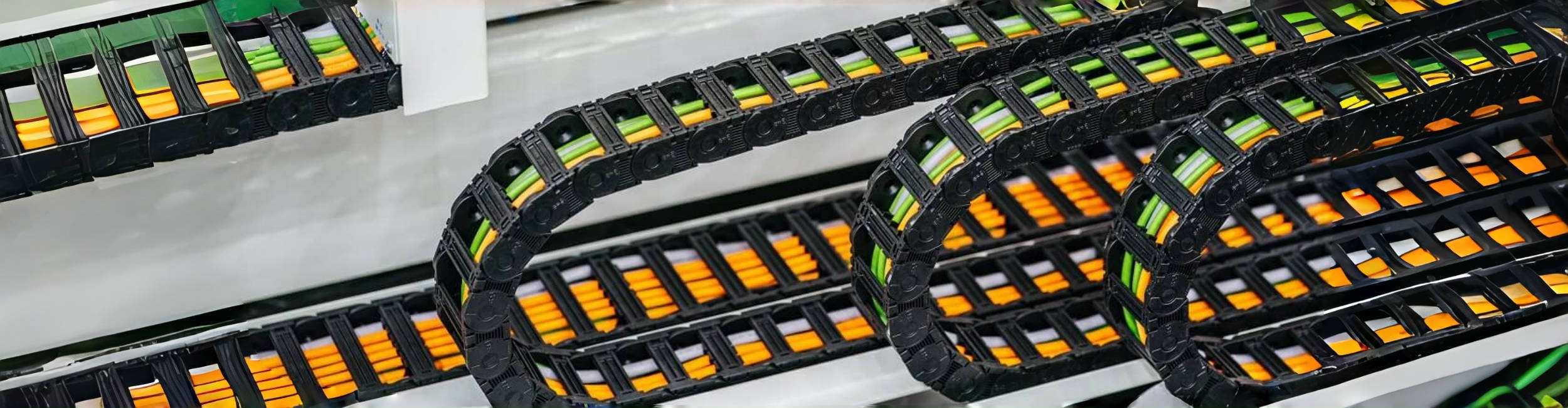
Plastic cable drag chains, also known as energy chains, play a pivotal role in the manufacturing and machining industry, particularly for machine tool accessories. These structures are designed to protect and guide cables and hoses in a controlled manner, preventing tangling and wear. Understanding their functionality and advantages is crucial for professionals looking to enhance their machinery's
2026-04-09
One of the primary benefits of plastic cable drag chains is their lightweight yet durable construction. Made from advanced polymer materials, these drag chains are resistant to various environmental factors such as dirt, dust, and oil. This durability extends the lifespan of cables and hoses, reducing maintenance costs and downtime in production processes.
When selecting a plastic cable drag chain, it is essential to consider the specific requirements of your application. Factors such as the length of the cable run, the working environment, and the speed of movement can influence the type of drag chain you choose. For instance, in high-speed applications, a drag chain designed for low-friction operation is ideal to minimize wear and enhance performance.
Another critical aspect of plastic cable drag chains is their flexibility. The modular design allows for easy customization to fit various machinery layouts. This flexibility is particularly beneficial in complex manufacturing environments where space is limited and precise movements are required. Additionally, many drag chains come with integrated guides or separators that help organize cables and hoses, further reducing the risk of damage.
Installation of plastic cable drag chains is typically straightforward, thanks to their user-friendly design. They can be mounted on various surfaces and configured to suit different machine orientations. Proper installation is vital, as it ensures optimal operation and minimizes potential issues such as kinking or excessive wear.
In terms of maintenance, plastic cable drag chains generally require minimal upkeep. Regular inspections for wear and tear are advisable, but the robust nature of the materials used often means they can withstand harsh conditions without significant degradation. When a drag chain does reach the end of its service life, replacing it is usually a hassle-free process, given the modularity of most systems.
In conclusion, plastic cable drag chains are an integral component of modern manufacturing machinery. Their durability, flexibility, and ease of installation make them an excellent choice for machine tool accessories. By investing in high-quality drag chains, manufacturers can significantly enhance the efficiency and longevity of their machinery, leading to improved productivity and reduced operational costs. Understanding the various options available and their specific applications can help professionals make informed decisions that align with their operational needs.
Related News

Maximizing Efficiency with Cable Drag Chains in Manufacturing
In the realm of manufacturing and machining, the need for organized, efficient, and safe cable management is paramount. This is where cable drag chains come into play. A cable drag chain is designed to house and protect cables, hoses, and other components, allowing for smooth, unhindered movement in machinery. With a variety of designs and configurations available, they cater to specific requireme
How to Troubleshoot Issues with Your Plastic Drag Chain Table of Contents Understanding Plastic Drag Chains Common Issues with Plastic Drag Chains Identifying the Symptoms of Drag Chain Failure Step-by-Step Troubleshooting Guide Preventative Maintenance Tips for Plastic Drag Chains When to Replace Your Drag Chain Best Practices for Installing Drag Chains Conclusion
Subscribe to
Get the latest information on company products


Contact
Add: 14-2,Liandong U Valley,Manufacturing Industrial Park,Tangxia Town,Pengjiang District,Jiangmen City Guangdong Province, China