Krius Intelligent Manufacturing (Jiangmen) Co., Ltd.

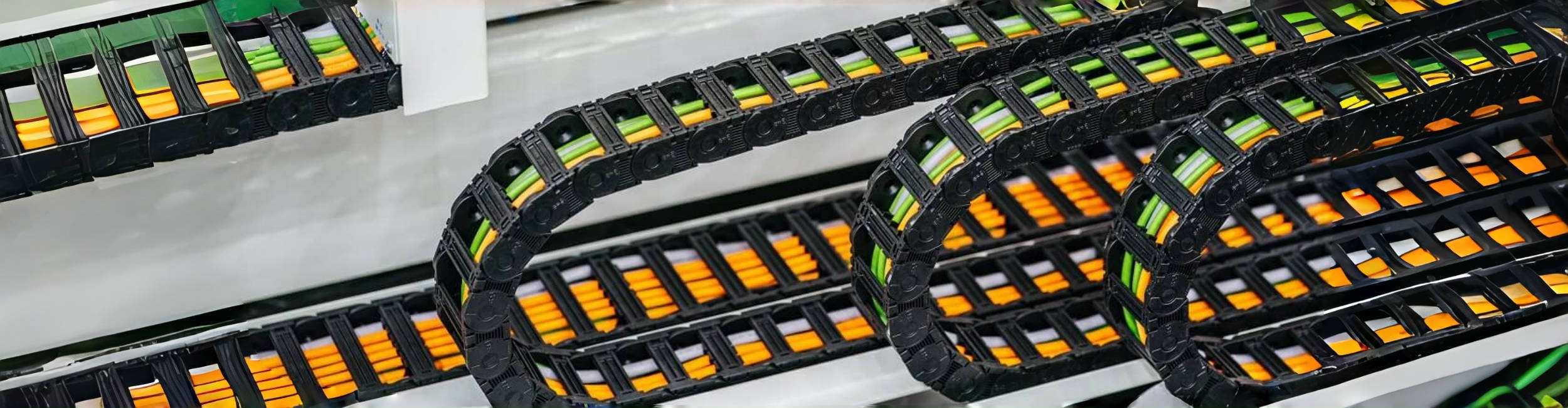
Understanding Plastic Drag Chains: Essential Components for Machine Tool Applications
Plastic drag chains, also known as energy chains or cable carriers, play a pivotal role in the manufacturing and machining industries, particularly as accessories for machine tools. These components are designed to manage and protect moving cables and hoses, ensuring smooth and efficient operations in automated systems. Understanding the functionality and benefits of plastic drag chains is crucial
2026-04-07
The primary purpose of plastic drag chains is to provide a secure and organized path for cables and hoses, preventing tangling or abrasion that could lead to equipment failure. Constructed from durable plastic materials, these chains offer excellent resistance to wear and tear, making them suitable for a variety of environments, including those with high levels of dust, oil, or other contaminants. Their lightweight nature also contributes to reduced wear on moving parts, which can prolong the lifespan of machinery.
One of the key advantages of plastic drag chains is their flexibility in design. They come in various sizes and configurations, allowing manufacturers to choose the best option for their specific applications. Customizable features enable users to create a drag chain that meets the precise requirements of their machines, accommodating different cable types and lengths. This adaptability is particularly beneficial in industries where machinery configurations are frequently modified or upgraded.
Moreover, plastic drag chains are engineered for easy installation and maintenance. Many models feature a split design, allowing for quick access to the cables and hoses housed within. This accessibility not only simplifies maintenance tasks but also reduces downtime, as operators can swiftly replace or repair components as needed. Additionally, plastic drag chains can be equipped with integrated strain relief solutions, further enhancing the protection of cables against mechanical stress.
In terms of applications, plastic drag chains are widely used in CNC machines, robotics, conveyor systems, and automated production lines. Their ability to withstand repetitive motion and harsh conditions makes them an ideal choice for high-demand settings. Furthermore, the incorporation of plastic drag chains can lead to improvements in energy efficiency by minimizing friction and wear, ultimately lowering operational costs.
In summary, plastic drag chains are essential components in manufacturing and machining processes, offering protection and organization for cables and hoses. Their versatility, ease of maintenance, and durability make them an invaluable asset in the pursuit of higher efficiency and reduced downtime. For professionals in the industry, understanding the role of plastic drag chains can lead to improved machinery performance and increased production capabilities.
Related News

Maximizing Efficiency with Cable Drag Chains in Manufacturing
In the realm of manufacturing and machining, the need for organized, efficient, and safe cable management is paramount. This is where cable drag chains come into play. A cable drag chain is designed to house and protect cables, hoses, and other components, allowing for smooth, unhindered movement in machinery. With a variety of designs and configurations available, they cater to specific requireme
How to Troubleshoot Issues with Your Plastic Drag Chain Table of Contents Understanding Plastic Drag Chains Common Issues with Plastic Drag Chains Identifying the Symptoms of Drag Chain Failure Step-by-Step Troubleshooting Guide Preventative Maintenance Tips for Plastic Drag Chains When to Replace Your Drag Chain Best Practices for Installing Drag Chains Conclusion
Subscribe to
Get the latest information on company products


Contact
Add: 14-2,Liandong U Valley,Manufacturing Industrial Park,Tangxia Town,Pengjiang District,Jiangmen City Guangdong Province, China