Krius Intelligent Manufacturing (Jiangmen) Co., Ltd.

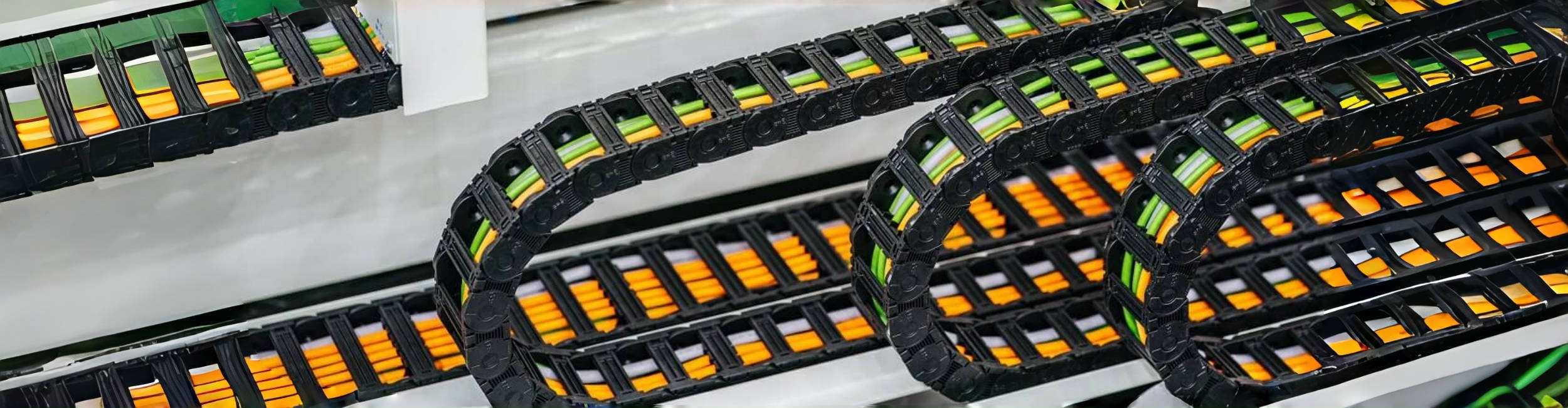
Unveiling Common Challenges with Cable Drag Chains and Effective Solutions
Common Challenges with Cable Drag Chains and How to Overcome Them Cable drag chains, also known as energy chains or drag chains, are essential components in various machinery and manufacturing processes. They play a crucial role in protecting and guiding cables, hoses, and other flexible lines. However, as beneficial as they are, manufacturers and operators often encounter several challenges that
2026-04-06
Common Challenges with Cable Drag Chains and How to Overcome Them
Cable drag chains, also known as energy chains or drag chains, are essential components in various machinery and manufacturing processes. They play a crucial role in protecting and guiding cables, hoses, and other flexible lines. However, as beneficial as they are, manufacturers and operators often encounter several challenges that can affect performance and longevity. This comprehensive guide will delve into the common challenges faced with cable drag chains and provide effective strategies to overcome them.
Understanding Cable Drag Chains
Cable drag chains are designed to facilitate the movement of cables in a controlled manner while minimizing wear and tear. Their design allows for smooth operation, reducing the risk of tangling or damage to the cables inside. These chains are widely used in numerous industries, including manufacturing, robotics, and construction. However, the effectiveness of these chains can be hampered by various issues.
The Importance of Proper Installation
One of the most critical aspects of cable drag chains is proper installation. Incorrect installation can lead to a host of problems, including excessive wear and difficulty in movement. Understanding the installation process and ensuring that all components align correctly is vital.
Common Installation Issues
- **Misalignment**: If the drag chain is not aligned properly with the moving parts of the machine, it can lead to friction and wear.
- **Insufficient Chain Length**: Using a chain that is too short can cause it to stretch beyond its limits, leading to breakage or malfunction.
- **Inadequate Cable Arrangement**: Cables must be arranged in a way that allows for unhindered movement. Overcrowding can lead to cable damage.
Wear and Tear of Cable Drag Chains
With regular use, cable drag chains inevitably face wear and tear. This can be exacerbated by several factors, including environmental conditions and the types of materials used in construction.
Factors Contributing to Wear and Tear
- **Environment**: Dust, moisture, and extreme temperatures can accelerate the deterioration of drag chains.
- **Frequency of Movement**: High-frequency operations can lead to increased friction and faster wear.
- **Material Quality**: Low-quality materials may not withstand the rigors of heavy use, leading to premature failure.
Maintenance Challenges and Solutions
Regular maintenance is essential for ensuring the longevity of cable drag chains. However, many users struggle with effective maintenance practices, leading to unresolved issues over time.
Establishing a Maintenance Routine
Creating a consistent maintenance schedule can help mitigate the risks of failure.
Key Maintenance Practices
- **Regular Inspections**: Conduct visual inspections to identify any signs of wear, damage, or misalignment.
- **Lubrication**: Keep moving parts well-lubricated to reduce friction and wear.
- **Cleaning**: Regularly clean the chains to remove dust and debris that can impede movement.
Overcoming Environmental Challenges
Environmental factors can pose significant challenges to the effectiveness of cable drag chains. Understanding how to adapt to these conditions is crucial.
Solutions for Harsh Environments
- **Protective Covers**: Utilize covers to shield drag chains from dust, moisture, and other contaminants.
- **Material Selection**: Choose chains made from materials that are resistant to the specific environmental challenges present in your workspace.
Operational Challenges with Cable Drag Chains
Beyond installation and maintenance, operational challenges can impact the efficiency of cable drag chains.
Understanding Load Limits
Each drag chain has specific load limits that, if exceeded, can lead to failure. Understanding these limits is essential for safe operation.
Monitoring Load Conditions
- **Regularly Check Weight**: Ensure that the cables, hoses, and other components within the chain do not exceed the recommended weight limits.
- **Adjust for Variability**: If the load conditions change, promptly adjust the setup to prevent undue stress on the chain.
Addressing Movement Restrictions
Movement restrictions can occur due to various factors, including improper cable arrangement or chain damage.
Solutions to Ensure Smooth Movement
- **Cable Management**: Organize cables to reduce tangles and ensure free movement.
- **Chain Replacement**: If a chain shows signs of damage, replace it promptly to avoid operational disruptions.
FAQs about Cable Drag Chains
1. What are cable drag chains made of?
Cable drag chains can be made from various materials, including plastic, steel, and aluminum. The choice of material often depends on the specific application and environmental conditions.
2. How often should cable drag chains be inspected?
It is advisable to inspect cable drag chains at least once a month or more frequently in high-use environments. Regular checks can help detect issues before they escalate.
3. What are the signs of wear in cable drag chains?
Common signs of wear include fraying, cracks, misalignment, and unusual noises during operation. Noticing these signs early can prevent further damage.
4. Can cable drag chains be repaired?
In many cases, minor damages can be repaired, such as replacing individual links. However, if the damage is extensive, replacing the entire chain may be necessary.
5. How can I extend the life of my cable drag chains?
To extend the life of cable drag chains, ensure proper installation, conduct regular maintenance, choose the right materials for your environment, and monitor load conditions.
Conclusion
In conclusion, while cable drag chains are pivotal in various applications, several challenges can arise during their operation. Understanding these challenges and implementing effective solutions is crucial for maintaining efficiency and longevity. By following proper installation techniques, conducting regular maintenance, and adapting to environmental conditions, users can significantly reduce the likelihood of issues while enhancing the overall performance of their equipment. Investing the time and resources into understanding and overcoming these challenges will ultimately lead to smoother operations and increased productivity in the manufacturing process.
Related News

Maximizing Efficiency with Cable Drag Chains in Manufacturing
In the realm of manufacturing and machining, the need for organized, efficient, and safe cable management is paramount. This is where cable drag chains come into play. A cable drag chain is designed to house and protect cables, hoses, and other components, allowing for smooth, unhindered movement in machinery. With a variety of designs and configurations available, they cater to specific requireme
How to Troubleshoot Issues with Your Plastic Drag Chain Table of Contents Understanding Plastic Drag Chains Common Issues with Plastic Drag Chains Identifying the Symptoms of Drag Chain Failure Step-by-Step Troubleshooting Guide Preventative Maintenance Tips for Plastic Drag Chains When to Replace Your Drag Chain Best Practices for Installing Drag Chains Conclusion
Subscribe to
Get the latest information on company products


Contact
Add: 14-2,Liandong U Valley,Manufacturing Industrial Park,Tangxia Town,Pengjiang District,Jiangmen City Guangdong Province, China