Krius Intelligent Manufacturing (Jiangmen) Co., Ltd.

Plastic Drag Chains vs. Metal Drag Chains: Which is Right for You?
Plastic Drag Chains vs. Metal Drag Chains: Which is Right for You? Table of Contents 1. Introduction to Drag Chains 2. Understanding Drag Chains and Their Functions 3. Characteristics of Plastic Drag Chains 4. Characteristics of Metal Drag Chains 5. Advantages and Disadvantages of Plastic and Metal Drag Chains 6. Applications of Plastic and Metal Drag Chains 7. How to
2026-04-02
Plastic Drag Chains vs. Metal Drag Chains: Which is Right for You?
Table of Contents
- 1. Introduction to Drag Chains
- 2. Understanding Drag Chains and Their Functions
- 3. Characteristics of Plastic Drag Chains
- 4. Characteristics of Metal Drag Chains
- 5. Advantages and Disadvantages of Plastic and Metal Drag Chains
- 6. Applications of Plastic and Metal Drag Chains
- 7. How to Choose the Right Drag Chain for Your Needs
- 8. Maintenance Tips for Drag Chains
- 9. Conclusion
- 10. Frequently Asked Questions (FAQs)
1. Introduction to Drag Chains
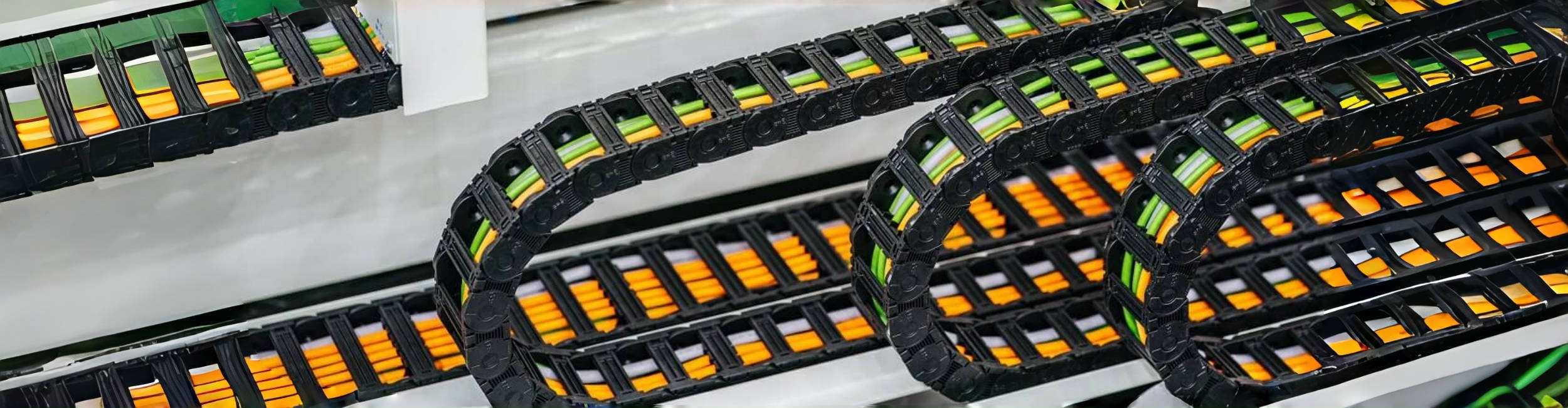
In the realm of manufacturing and mechanical applications, **drag chains** play a pivotal role in the efficient management of cables and hoses. These chains are designed to guide and protect moving cables, ensuring they move freely without tangling or getting damaged. The choice between **plastic drag chains** and **metal drag chains** often poses a dilemma for engineers and manufacturers. Each type has distinct characteristics, benefits, and limitations that make them suitable for various applications.
In this article, we delve deep into the comparison between plastic and metal drag chains, helping you determine which option aligns best with your specific requirements and operational environment.
2. Understanding Drag Chains and Their Functions
Drag chains, also known as energy chains, are designed to manage the movement of cables and hoses in dynamic applications. They are commonly utilized in environments where machinery needs to operate with flexibility and precision. The primary functions of drag chains include:
- **Protection**: Prevents wear and tear on cables and hoses by shielding them from friction and environmental factors.
- **Organization**: Keeps cables neatly arranged, reducing the risk of tangling and making maintenance easier.
- **Mobility**: Facilitates smooth movement of cables and hoses, allowing for more efficient operation of machinery.
Drag chains are essential components in various applications, ranging from CNC machines and robotics to conveyors and automated production lines. Understanding the specific requirements of your application is crucial in selecting the right type of drag chain.
3. Characteristics of Plastic Drag Chains
Plastic drag chains are primarily made from durable polymers such as nylon, polyethylene, or polypropylene. These materials offer several advantages that make plastic drag chains a popular choice in many applications:
Lightweight and Flexible
One of the most significant benefits of plastic drag chains is their weight. Being lightweight, they impose less load on the moving parts of machines, which can lead to increased efficiency. Furthermore, their flexibility allows for intricate designs and installation in tighter spaces.
Corrosion-resistant
Plastic drag chains are inherently resistant to corrosion, making them ideal for applications in harsh environments. They withstand various chemicals and environmental factors that could damage metal chains.
Low Noise Operation
Plastic materials tend to produce less noise during operation compared to metal options. This feature is particularly advantageous in environments where noise reduction is a priority.
Cost-effective
Generally, plastic drag chains are more affordable than their metal counterparts, making them a viable option for budget-conscious projects. Their lower initial cost, combined with good performance, provides considerable value.
4. Characteristics of Metal Drag Chains
Metal drag chains are typically constructed from materials such as steel or aluminum. They are favored for their robustness and durability, providing several key benefits:
High Load Capacity
Metal drag chains are known for their strength and ability to carry heavier loads compared to plastic chains. This makes them suitable for industrial applications that require the support of significant cable weights.
Enhanced Durability
Metal chains exhibit higher resistance to wear and tear, particularly in rugged environments. Their longevity often outweighs the higher initial investment.
Temperature Resistance
Metal drag chains can withstand extreme temperatures, making them ideal for applications involving high heat or cold environments. This characteristic is crucial in industries such as steel manufacturing or food processing.
Fire Resistance
Metal is non-combustible, providing an added layer of safety in environments where flammable materials are present. This property can be a deciding factor in hazardous areas.
5. Advantages and Disadvantages of Plastic and Metal Drag Chains
To make a well-informed decision, it's essential to weigh the advantages and disadvantages of both plastic and metal drag chains.
Advantages of Plastic Drag Chains
- Lightweight and flexible, offering ease of installation.
- Corrosion-resistant, ideal for chemical exposure.
- Quieter operation, reducing workplace noise.
- Cost-effective for budget-conscious projects.
Disadvantages of Plastic Drag Chains
- Limited load capacity, unsuitable for very heavy cables.
- Potential for wear over time in abrasive environments.
- Temperature limitations compared to metal chains.
Advantages of Metal Drag Chains
- High load-bearing capacity, ideal for heavy-duty applications.
- Exceptional durability, providing long service life.
- Excellent temperature and fire resistance.
Disadvantages of Metal Drag Chains
- Heavier, potentially impacting machine operation.
- Higher cost compared to plastic options.
- Susceptible to corrosion without proper coating or treatment.
6. Applications of Plastic and Metal Drag Chains
Understanding where each type of drag chain excels can guide your selection process. Here, we outline typical applications for both plastic and metal drag chains.
Applications of Plastic Drag Chains
- **Robotics**: Used extensively in robotic arms due to their lightweight nature and flexibility.
- **CNC Machinery**: Ideal for CNC machines that require organized cable management without excessive weight.
- **Automotive Production**: Commonly found in assembly lines where noise reduction is advantageous.
Applications of Metal Drag Chains
- **Heavy Machinery**: Perfect for cranes, excavators, and other heavy equipment that requires durable cable management solutions.
- **Steel Mills**: Utilized in high-temperature environments where metal resilience is critical.
- **Aerospace Manufacturing**: Employed in aviation equipment where safety and durability are paramount.
7. How to Choose the Right Drag Chain for Your Needs
Selecting the appropriate drag chain requires careful consideration of several factors:
1. Load Requirements
Assess the weight and size of the cables or hoses that the drag chain will carry. This will help you determine whether a plastic or metal chain is more suitable.
2. Environmental Conditions
Consider the working environment. Are there chemicals, extreme temperatures, or potential hazards? Plastic may be appropriate for mild conditions, while metal might be necessary for harsher settings.
3. Space Constraints
Evaluate the installation space. Plastic chains can offer more flexibility in tight areas due to their lightweight and customizable designs.
4. Budget Constraints
Understanding your budget is crucial. While plastic drag chains are generally less expensive, metal chains offer long-term durability that may justify the initial investment.
8. Maintenance Tips for Drag Chains
To ensure long-lasting performance from your drag chains, regular maintenance is essential. Here are some tips to keep in mind:
1. Regular Inspection
Inspect drag chains regularly for signs of wear, damage, or misalignment. Early detection can prevent costly replacements.
2. Lubrication
Apply appropriate lubricants to metal chains to reduce friction and wear. Ensure that the lubricant is compatible with the materials involved.
3. Cleaning
Keep the drag chains clean from debris and contaminants. Use compressed air or brushes to remove dirt and dust that can cause abrasion.
4. Proper Storage
When not in use, store drag chains in a cool, dry environment to prevent degradation of materials.
9. Conclusion
In the battle of **plastic drag chains vs. metal drag chains**, the right choice ultimately depends on your specific application requirements and operational environment. Plastic drag chains are ideal for lightweight applications requiring flexibility and cost-effectiveness, while metal drag chains excel in heavy-duty scenarios demanding durability and high load capacity.
By carefully considering factors such as load requirements, environmental conditions, space constraints, and budget, you can make an informed decision that enhances the efficiency and longevity of your machinery. Whether you opt for plastic or metal, understanding the strengths and limitations of each will lead to better cable management solutions, ultimately optimizing your production processes.
10. Frequently Asked Questions (FAQs)
1. What are drag chains used for?
Drag chains are used to manage and protect moving cables and hoses in mechanical applications, preventing tangling and damage.
2. Can plastic drag chains handle heavy loads?
Plastic drag chains have a limited load capacity and are generally not suitable for very heavy cables. Metal drag chains are recommended for such applications.
3. Are plastic drag chains more economical than metal chains?
Yes, plastic drag chains are typically more cost-effective; however, metal chains may offer better long-term value in demanding environments.
4. How often should I inspect my drag chains?
Regular inspections should be performed every few months or more frequently in high-use environments to identify wear and avoid failures.
5. Can I use metal drag chains in corrosive environments?
Metal drag chains can corrode without proper treatment, so it is advisable to use plastic chains in corrosive environments unless the metal is coated or treated to resist corrosion.
Related News

Maximizing Efficiency with Cable Drag Chains in Manufacturing
In the realm of manufacturing and machining, the need for organized, efficient, and safe cable management is paramount. This is where cable drag chains come into play. A cable drag chain is designed to house and protect cables, hoses, and other components, allowing for smooth, unhindered movement in machinery. With a variety of designs and configurations available, they cater to specific requireme
How to Troubleshoot Issues with Your Plastic Drag Chain Table of Contents Understanding Plastic Drag Chains Common Issues with Plastic Drag Chains Identifying the Symptoms of Drag Chain Failure Step-by-Step Troubleshooting Guide Preventative Maintenance Tips for Plastic Drag Chains When to Replace Your Drag Chain Best Practices for Installing Drag Chains Conclusion
Subscribe to
Get the latest information on company products


Contact
Add: 14-2,Liandong U Valley,Manufacturing Industrial Park,Tangxia Town,Pengjiang District,Jiangmen City Guangdong Province, China