Krius Intelligent Manufacturing (Jiangmen) Co., Ltd.

Understanding Cable Drag Chains: Essential Components for Efficient Machinery Operations
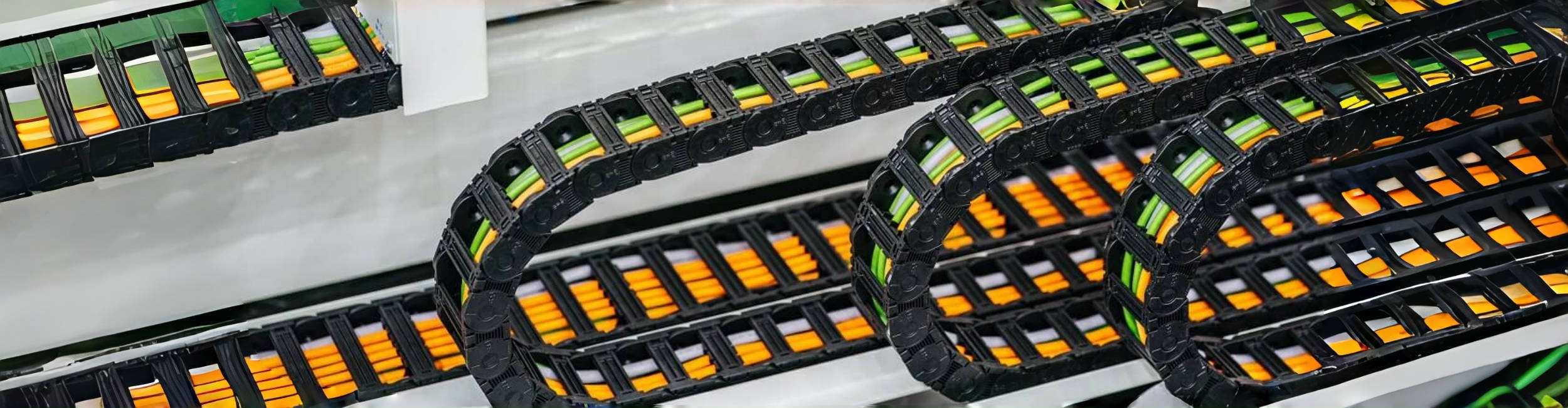
Cable drag chains, also known as energy chains, are systems designed to manage and organize cables, hoses, and other flexible connections in machinery. These chains are essential for preventing tangling and wear on cables while allowing for smooth movement in dynamic applications. In industries that utilize CNC machines, robotic arms, and other automated systems, the significance of cable drag cha
2026-04-01
One of the primary functions of a cable drag chain is to provide a protective pathway for cables and hoses as they move in coordination with the machinery. This is particularly important in applications with frequent movement, where cables can become damaged due to friction, abrasion, or bending. By using cable drag chains, manufacturers can significantly reduce the risk of cable failure, which can lead to costly downtime and repairs.
Cable drag chains come in various designs and materials, tailored to meet specific operational needs. For example, plastic drag chains are lightweight and resistant to corrosion, making them suitable for a wide range of environments. On the other hand, metal drag chains offer higher durability and can withstand more extreme conditions. Additionally, manufacturers can choose from different configurations, such as open or closed chains, to suit their particular setups.
The installation of cable drag chains is another critical aspect to consider. Proper installation ensures that cables are adequately supported and can move freely without any restrictions. It’s essential to calculate the required length and ensure the chain is adequately sized for both the cables and the movement range of the machine. Furthermore, regular maintenance of the drag chains can prolong their lifespan and enhance overall machine performance.
Implementing cable drag chains in your manufacturing processes can yield several benefits. For starters, they help minimize wear on cables, significantly reducing the need for replacements. This not only saves costs but also helps improve workflow efficiency by ensuring that machinery operates without interruptions. Additionally, cable drag chains contribute to a more organized workspace, reducing the risk of accidents and enhancing safety for workers.
In summary, cable drag chains are indispensable components in the realm of manufacturing and machining. By understanding their functionalities and benefits, industry professionals can make informed decisions to optimize their operations. Proper selection, installation, and maintenance of cable drag chains will not only enhance the performance of machinery but also contribute to a safer and more efficient working environment.
Related News

Maximizing Efficiency with Cable Drag Chains in Manufacturing
In the realm of manufacturing and machining, the need for organized, efficient, and safe cable management is paramount. This is where cable drag chains come into play. A cable drag chain is designed to house and protect cables, hoses, and other components, allowing for smooth, unhindered movement in machinery. With a variety of designs and configurations available, they cater to specific requireme
How to Troubleshoot Issues with Your Plastic Drag Chain Table of Contents Understanding Plastic Drag Chains Common Issues with Plastic Drag Chains Identifying the Symptoms of Drag Chain Failure Step-by-Step Troubleshooting Guide Preventative Maintenance Tips for Plastic Drag Chains When to Replace Your Drag Chain Best Practices for Installing Drag Chains Conclusion
Subscribe to
Get the latest information on company products


Contact
Add: 14-2,Liandong U Valley,Manufacturing Industrial Park,Tangxia Town,Pengjiang District,Jiangmen City Guangdong Province, China