Krius Intelligent Manufacturing (Jiangmen) Co., Ltd.

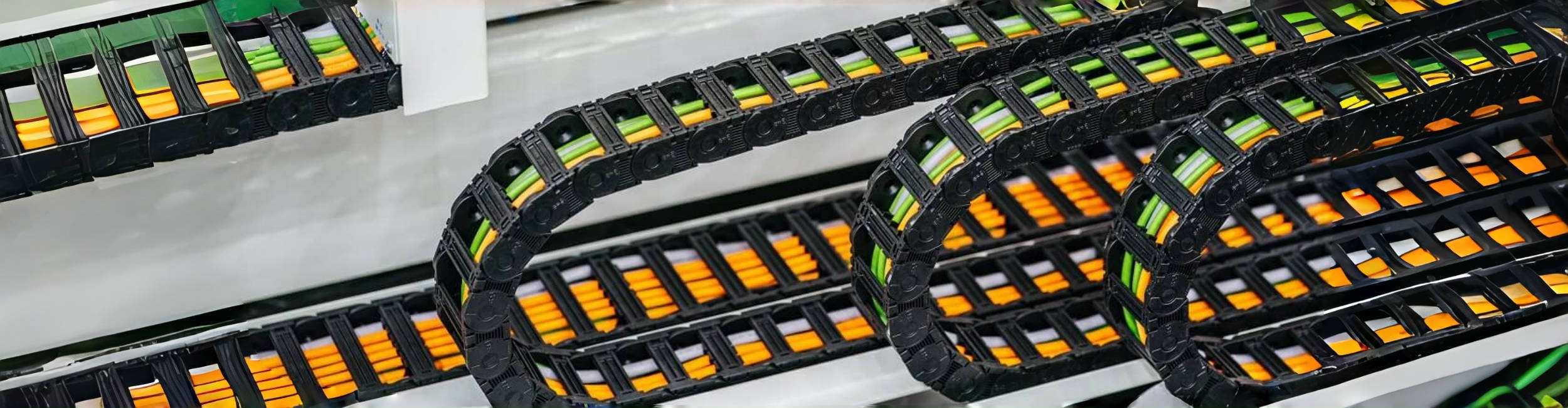
How Cable Drag Chains Enhance Lean Manufacturing Practices for Optimal Efficiency
How Cable Drag Chains Enhance Lean Manufacturing Practices for Optimal Efficiency Table of Contents 1. Introduction to Lean Manufacturing and Cable Drag Chains 2. Understanding Cable Drag Chains 3. The Connection Between Cable Drag Chains and Lean Manufacturing Principles 3.1 Reducing Waste with Cable Drag Chains 3.2 Improving Workflow and Efficiency 4. Key Benefits of Using Cable Drag Chains in M
2026-03-07
How Cable Drag Chains Enhance Lean Manufacturing Practices for Optimal Efficiency
Table of Contents
1. Introduction to Lean Manufacturing and Cable Drag Chains
2. Understanding Cable Drag Chains
3. The Connection Between Cable Drag Chains and Lean Manufacturing Principles
3.1 Reducing Waste with Cable Drag Chains
3.2 Improving Workflow and Efficiency
4. Key Benefits of Using Cable Drag Chains in Manufacturing
4.1 Enhanced Equipment Protection
4.2 Simplified Maintenance Processes
5. Implementing Cable Drag Chains in Lean Manufacturing
5.1 Steps for Successful Integration
5.2 Best Practices for Maintenance
6. Real-World Applications of Cable Drag Chains
7. FAQs About Cable Drag Chains and Lean Manufacturing
8. Conclusion
1. Introduction to Lean Manufacturing and Cable Drag Chains
Lean manufacturing focuses on maximizing value by minimizing waste within manufacturing systems. The primary goal is to enhance productivity and efficiency while reducing costs. As businesses adopt lean principles, integrating effective tools and components becomes essential for achieving operational excellence.
Cable drag chains, also known as energy chains, are critical components in manufacturing processes. They allow for the organized management of cables and hoses, ensuring that equipment operates smoothly and efficiently. Understanding how cable drag chains contribute to lean manufacturing principles can lead to significant improvements in a company's processes.
2. Understanding Cable Drag Chains
Cable drag chains are designed to guide and protect cables, hoses, and other flexible connections in machinery. These chains consist of interconnected links that form a channel for cables, allowing them to move freely while remaining protected from damage and wear. By keeping cables organized and secured, drag chains facilitate smooth operation and reduce the likelihood of mechanical failures.
Many industries benefit from the use of cable drag chains, including automation, robotics, and CNC machining. Their versatility and reliability make them an essential component in modern manufacturing setups.
3. The Connection Between Cable Drag Chains and Lean Manufacturing Principles
Cable drag chains align closely with the principles of lean manufacturing. By reducing waste and increasing efficiency, these components significantly enhance operational performance.
3.1 Reducing Waste with Cable Drag Chains
One of the key tenets of lean manufacturing is waste reduction. Waste can take many forms, including unnecessary motion, excess material, and time delays. Cable drag chains minimize these wastes by providing a structured environment for cables, limiting entanglement and ensuring that movement is efficient.
For instance, when cables are properly routed through drag chains, the risk of wear and damage decreases, leading to fewer replacements and repairs. This not only saves money but also reduces downtime—a significant factor in lean operations.
3.2 Improving Workflow and Efficiency
The streamlined design of cable drag chains contributes to improved workflow. By organizing cables and hoses, drag chains facilitate easier access for operators and maintenance personnel. This organization leads to faster response times, reduced errors, and enhanced overall productivity.
Moreover, cable drag chains can be installed in various orientations, allowing manufacturers to optimize their layout for maximum efficiency. This flexibility ensures that operations can adapt to changing demands while maintaining lean principles.
4. Key Benefits of Using Cable Drag Chains in Manufacturing
Integrating cable drag chains into manufacturing operations offers numerous advantages that further enhance lean principles.
4.1 Enhanced Equipment Protection
Cable drag chains protect expensive cables and hoses from abrasion, friction, and other environmental hazards. By shielding these components, manufacturers can extend the lifespan of their equipment, reducing the frequency of replacements and associated costs.
4.2 Simplified Maintenance Processes
Maintaining equipment and machinery is an essential aspect of lean manufacturing. Cable drag chains simplify this process by providing easy access to cables and hoses for inspection and repair. Regular maintenance becomes more efficient, allowing operators to quickly identify issues and address them before they escalate into more significant problems.
5. Implementing Cable Drag Chains in Lean Manufacturing
Successfully integrating cable drag chains into a lean manufacturing environment requires careful planning and execution.
5.1 Steps for Successful Integration
1. **Assess Existing Infrastructure**: Evaluate current cable and hose management systems to identify areas for improvement.
2. **Select Appropriate Drag Chains**: Choose drag chains that match specific applications and environmental conditions.
3. **Design Installation Layout**: Create a layout that optimizes cable paths while minimizing unnecessary movements.
4. **Training and Awareness**: Educate personnel on the benefits of drag chains and proper maintenance practices.
5.2 Best Practices for Maintenance
- **Regular Inspections**: Schedule routine checks to ensure drag chains and cables remain in good condition.
- **Clean and Lubricate**: Keep drag chains clean and lubricated to prevent wear and prolong their lifespan.
- **Prompt Repairs**: Address any signs of damage immediately to prevent further issues.
6. Real-World Applications of Cable Drag Chains
Cable drag chains are used across various industries and applications, showcasing their versatility and effectiveness. Here are some notable examples:
- **Automated Manufacturing Lines**: In automotive manufacturing, drag chains help manage the numerous cables and hoses required for robotics and automated machinery.
- **CNC Machining**: CNC machines utilize drag chains to protect their electronic components, ensuring precise movements and operations.
- **Packaging Machinery**: In packaging lines, cable drag chains facilitate efficient operation, reducing downtime and increasing throughput.
7. FAQs About Cable Drag Chains and Lean Manufacturing
**Q1: What materials are cable drag chains made from?**
A1: Cable drag chains are typically made from durable plastics, metals, or a combination of both, depending on the application requirements.
**Q2: Can cable drag chains be used in outdoor environments?**
A2: Yes, there are specially designed drag chains that can withstand outdoor conditions, including UV exposure and extreme temperatures.
**Q3: How do cable drag chains reduce maintenance costs?**
A3: By protecting cables from damage and wear, cable drag chains reduce the need for frequent replacements and repairs, leading to lower maintenance costs.
**Q4: Are cable drag chains customizable?**
A4: Yes, many manufacturers offer customizable drag chains that can be tailored to specific applications and operational needs.
**Q5: How do cable drag chains improve operator safety?**
A5: By organizing cables and hoses, drag chains minimize tripping hazards and ensure that operators have clear access to machinery, enhancing workplace safety.
8. Conclusion
Cable drag chains play a pivotal role in enhancing lean manufacturing practices by streamlining operations, reducing waste, and improving overall efficiency. Their ability to protect cables, simplify maintenance, and adapt to various applications makes them an invaluable tool for modern manufacturers. By embracing the benefits of cable drag chains, businesses can create a more efficient, safe, and productive manufacturing environment, ultimately supporting their journey towards operational excellence.
Related News

Maximizing Efficiency with Cable Drag Chains in Manufacturing
In the realm of manufacturing and machining, the need for organized, efficient, and safe cable management is paramount. This is where cable drag chains come into play. A cable drag chain is designed to house and protect cables, hoses, and other components, allowing for smooth, unhindered movement in machinery. With a variety of designs and configurations available, they cater to specific requireme
How to Troubleshoot Issues with Your Plastic Drag Chain Table of Contents Understanding Plastic Drag Chains Common Issues with Plastic Drag Chains Identifying the Symptoms of Drag Chain Failure Step-by-Step Troubleshooting Guide Preventative Maintenance Tips for Plastic Drag Chains When to Replace Your Drag Chain Best Practices for Installing Drag Chains Conclusion
Subscribe to
Get the latest information on company products


Contact
Add: 14-2,Liandong U Valley,Manufacturing Industrial Park,Tangxia Town,Pengjiang District,Jiangmen City Guangdong Province, China