Krius Intelligent Manufacturing (Jiangmen) Co., Ltd.

Understanding Nylon Drag Chains: Essential Components for Manufacturing Machinery
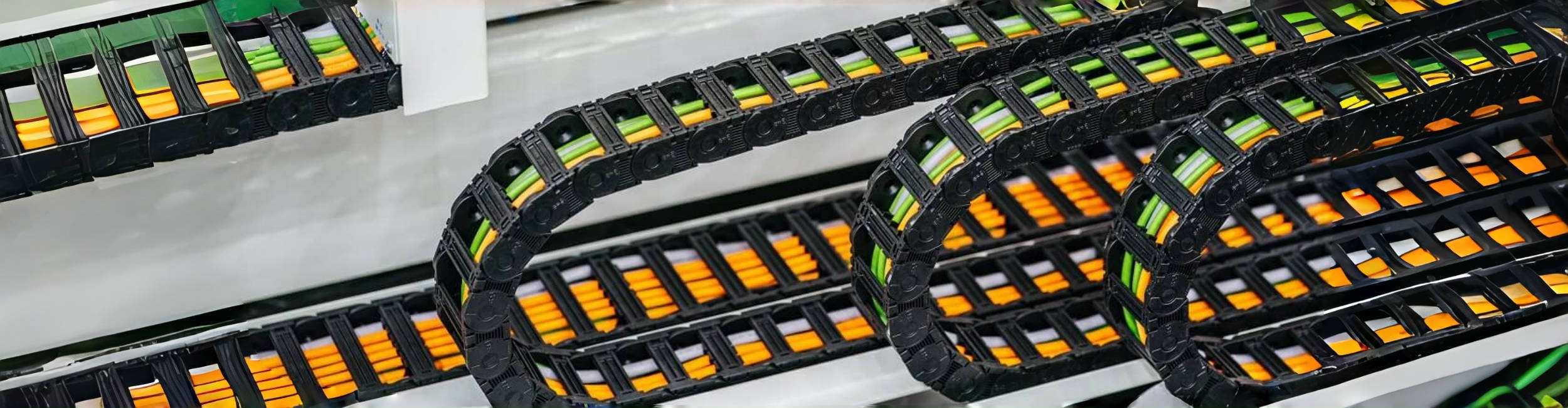
Nylon drag chains, also known as energy chains or cable carriers, are essential components in the design of automated systems and machinery. Designed to protect and guide cables and hoses, these chains ensure that vital connections remain organized and functional during machine operation. They are particularly popular in environments with high movement, such as CNC machines, robotics, and conveyor
2026-03-06
One of the primary advantages of nylon drag chains is their lightweight yet durable construction. Nylon, as a material, offers excellent strength-to-weight ratio, making it suitable for applications where minimizing weight is critical without sacrificing durability. This property allows for smoother movement and less wear on cables and hoses, contributing to longer service life and reduced maintenance costs.
Furthermore, nylon drag chains are known for their flexibility. They can be designed in various configurations to accommodate different shapes, sizes, and types of cables or hoses. This adaptability enhances their usability across a wide range of machinery and manufacturing processes. Each chain can be customized to meet specific operational requirements, thereby optimizing performance for particular tasks.
In addition to their mechanical benefits, nylon drag chains also provide essential protection for cables and hoses. By enclosing these vital components, drag chains prevent tangling, abrasion, and damage from environmental factors. This is particularly important in manufacturing settings where machinery operates under heavy loads, or in dirty or hazardous environments.
When selecting a nylon drag chain, it is essential to consider factors such as the environment in which it will be used, the type of cables or hoses it will carry, and the degree of movement (such as linear or rotary). Understanding these parameters will help ensure the selected drag chain meets operational needs effectively.
Incorporating nylon drag chains into manufacturing systems not only enhances organizational efficiency but also contributes to overall machine reliability. By minimizing the risk of cable and hose wear, manufacturers can expect to see improvements in production uptime and a reduction in operational interruptions.
In summary, nylon drag chains are critical components in manufacturing. Their lightweight, durable, and flexible nature makes them ideal for a variety of applications, ensuring the safe and efficient operation of machinery. Whether you’re looking to optimize existing systems or design new setups, understanding the role of nylon drag chains can significantly contribute to overall operational success.
Related News

Maximizing Efficiency with Cable Drag Chains in Manufacturing
In the realm of manufacturing and machining, the need for organized, efficient, and safe cable management is paramount. This is where cable drag chains come into play. A cable drag chain is designed to house and protect cables, hoses, and other components, allowing for smooth, unhindered movement in machinery. With a variety of designs and configurations available, they cater to specific requireme
How to Troubleshoot Issues with Your Plastic Drag Chain Table of Contents Understanding Plastic Drag Chains Common Issues with Plastic Drag Chains Identifying the Symptoms of Drag Chain Failure Step-by-Step Troubleshooting Guide Preventative Maintenance Tips for Plastic Drag Chains When to Replace Your Drag Chain Best Practices for Installing Drag Chains Conclusion
Subscribe to
Get the latest information on company products


Contact
Add: 14-2,Liandong U Valley,Manufacturing Industrial Park,Tangxia Town,Pengjiang District,Jiangmen City Guangdong Province, China